Small condensing units are essential components in commercial refrigeration systems, playing a crucial role in maintaining optimal temperatures for various applications. As a purchasing manager or distributor, understanding the intricacies of small condensing units is vital for ensuring quality and performance in your refrigeration solutions. This article will delve into key aspects of small condensing units, including quality control measures in manufacturing, reliable supplier sourcing, common installation issues, cost evaluations, and their applications in commercial systems.
Quality control in the manufacturing of small condensing units is paramount to ensure reliability and efficiency in performance. A robust quality control process typically begins with raw material selection, where high-grade materials are sourced to meet specific performance criteria, including corrosion resistance and thermal conductivity. Rigorous testing is conducted at multiple stages of production, including in-process inspections and final product evaluations.
Manufacturers often employ advanced testing equipment to assess component performance under various conditions, simulating real-world operating environments. This ensures that each unit complies with industry standards and customer specifications. It is also vital for buyers to inquire about the quality certifications a manufacturer holds, as these can provide assurance of the production processes and product integrity. Additionally, many manufacturers offer Refrigeration Accessories that can complement the performance of small condensing units.
Additionally, a thorough documentation process should accompany each unit, detailing the manufacturing batch, test results, and compliance records. This practice not only enhances traceability but also allows buyers to verify the quality of the products they purchase.
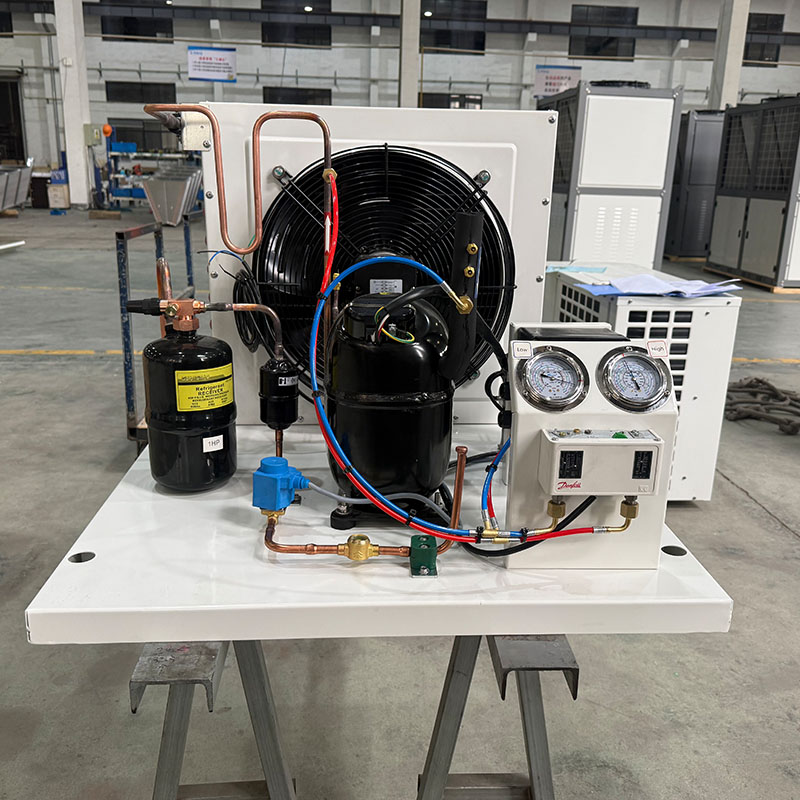
Finding a reliable supplier for small condensing units is essential for maintaining consistent product quality and supply chain efficiency. Start by researching manufacturers with extensive industry experience and a proven track record. Companies like Shanghai EMTH, with over 20 years in the refrigeration equipment sector, often have established networks and relationships that can facilitate bulk purchasing.
When evaluating potential suppliers, consider their production capabilities, including factory certifications, production capacity, and the availability of customization options. Requesting product samples can also serve as a practical step in assessing quality before committing to large orders. Compressors are also a key component to consider when discussing system efficiency.
Trade shows and industry conferences are excellent venues to meet suppliers face-to-face, enabling you to discuss your specific needs and evaluate their offerings firsthand. Additionally, online platforms and industry-specific directories can provide insights into various manufacturers’ reputations and customer feedback.
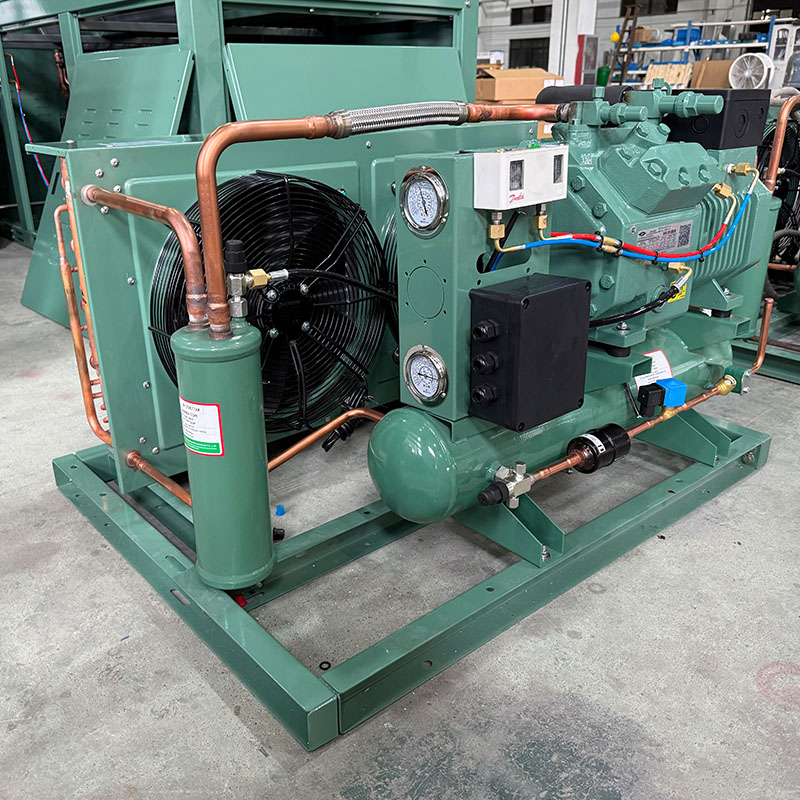
Proper installation is critical for the optimal performance of small condensing units. One common issue is improper refrigerant charge, which can lead to inefficient cooling and increased energy consumption. It's essential to follow manufacturer guidelines for refrigerant levels and to use calibrated measuring devices.
Another frequent challenge is inadequate ventilation around the unit, which can cause overheating and reduce lifespan. Ensure that the installation site allows for sufficient airflow and that the unit is positioned in accordance with the manufacturer’s specifications.
Additionally, incorrect electrical connections can lead to malfunctions or safety hazards. It’s advisable to have qualified personnel handle the installation process, ensuring all wiring complies with local electrical codes and standards.
Lastly, regular maintenance checks post-installation are vital. This includes monitoring for signs of wear and tear and ensuring that filters and coils are clean, which can prevent many operational issues from arising.
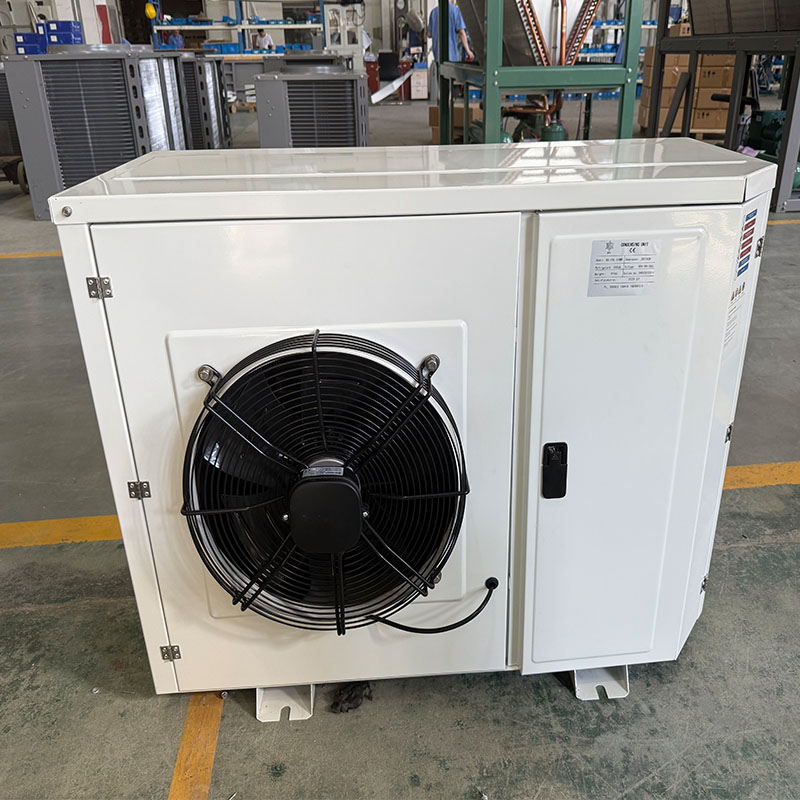
When evaluating the costs associated with small condensing units, several factors come into play. The initial purchase price is just one aspect; other considerations include installation costs, energy efficiency, and maintenance expenses. Energy-efficient units may have a higher upfront cost but can lead to significant savings over time through lower operational costs.
Buyers should also consider the total cost of ownership, which encompasses potential repairs and the longevity of the unit. It’s crucial to inquire about warranty terms, as a robust warranty can indicate the manufacturer’s confidence in their product and provide additional peace of mind.
Furthermore, minimum order quantities (MOQs) can affect pricing, especially for distributors. Understanding the supplier's MOQ can help in budgeting and planning inventory levels. It’s advisable to negotiate terms that align with your purchasing strategy while ensuring you receive the best possible price for quality units.
With a strong name in the industry, and over 3,000+ clients served, EMTH EMTH is a trustworthy and reliable supplier who has been recognized by other customers.
Special docking is available for a complete system of service. It includes creation of plans, Ice cube machine, landing plans, and after-sales support.
A modern facility of more than 40,000 square meters is available to meet the majority of EMTH requirements.
More than 20 years of' experience and an experienced R&D EMTH team.

Welcome to EMTH, a cold storage refrigeration equipment specialist in China! We offer innovative and effective cold storage solutions, including cold storage, evaporator, condensing unit and ice machine.
Room 304-305B, Building 5, BESHINE B.P, No. 559Zhuyuan Road, Minhang District 201112, Shanghai, China
Copyright © Shanghai EMTH Import & Export Co., Ltd. All Rights Reserved. - Privacy Policy
 EN
 AR
 BG
 HR
 CS
 DA
 NL
 FI
 FR
 DE
 EL
 IT
 JA
 KO
 NO
 PL
 PT
 RO
 RU
 ES
 TL
 IW
 ID
 LT
 SR
 VI
 HU
 TH
 MS
 AZ
 JW
 LO
 MN
 SO
 MY
 KK
 TG
 UZ
 GD
 XH