When selecting an evaporator unit for a cold storage room, it's crucial to understand its specifications, quality, and suitability for your applications. The evaporator unit plays a vital role in maintaining temperature control and preserving the integrity of stored goods. As a buyer, you may have concerns regarding performance, durability, and installation efficiency. This article will guide you through the key aspects to consider when evaluating evaporator units, ensuring you make an informed decision for your cold storage needs.
Evaluating the quality of evaporator units involves examining several critical factors. First, consider the materials used in the construction. High-quality evaporator units are often made from corrosion-resistant materials that can withstand low temperatures and high humidity conditions typical of cold storage environments. Look for units with robust heat exchange capabilities, as this directly impacts energy efficiency and refrigeration performance.
Additionally, assess the manufacturer's history and expertise in refrigeration equipment. For instance, Shanghai EMTH has over 20 years of experience in manufacturing refrigeration systems, allowing for insights into design and functionality. It’s also beneficial to ensure that the units comply with relevant industry standards and certifications, which can serve as indicators of quality and reliability.
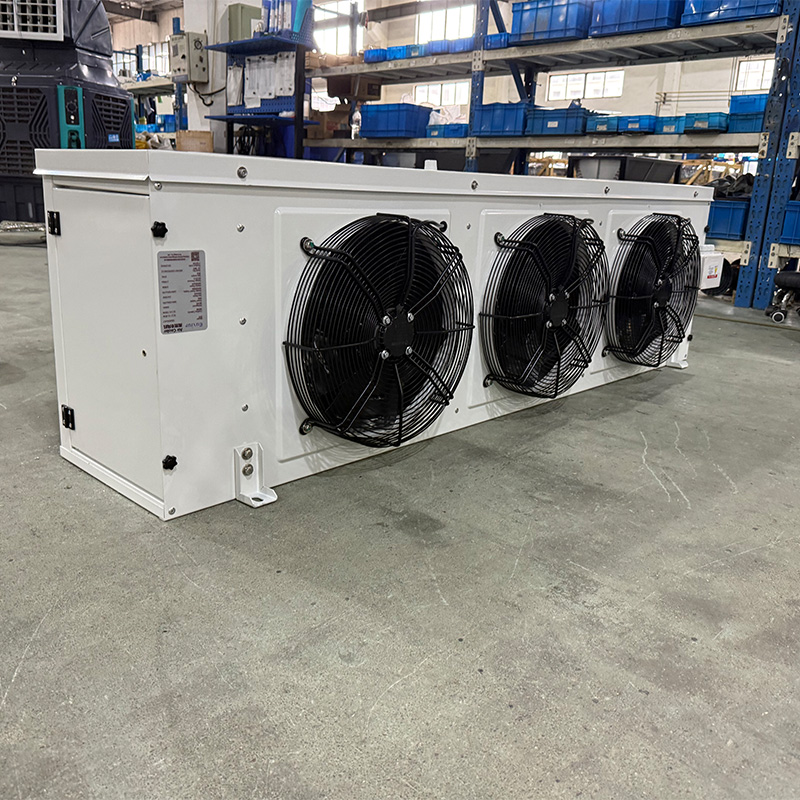
When considering evaporator units for cold storage, several key specifications should be prioritized:
Cooling Capacity: This is typically measured in BTUs or kilowatts and indicates the amount of heat the unit can remove. The required cooling capacity depends on the size of the cold storage room and the type of goods being stored.
Airflow Rate: Measured in cubic feet per minute (CFM), the airflow rate affects how effectively the evaporator unit circulates air throughout the cold storage room. Proper airflow is essential for uniform temperature distribution.
Defrosting Method: Units may have either a manual or automatic defrosting system. Automatic systems can save labor and ensure consistent performance, but the choice should align with your operational needs.
Energy Efficiency: Look for units with high energy efficiency ratings, which can lead to significant energy savings over time. Evaluating the energy consumption against the cooling capacity can help determine the overall efficiency of the unit.
Noise Level: Depending on the installation environment, the noise produced by the evaporator unit may be an important consideration. Units designed for quieter operation can be beneficial in settings where noise is a concern. Understanding these specifications will help you choose an evaporator unit that meets the unique demands of your cold storage application.
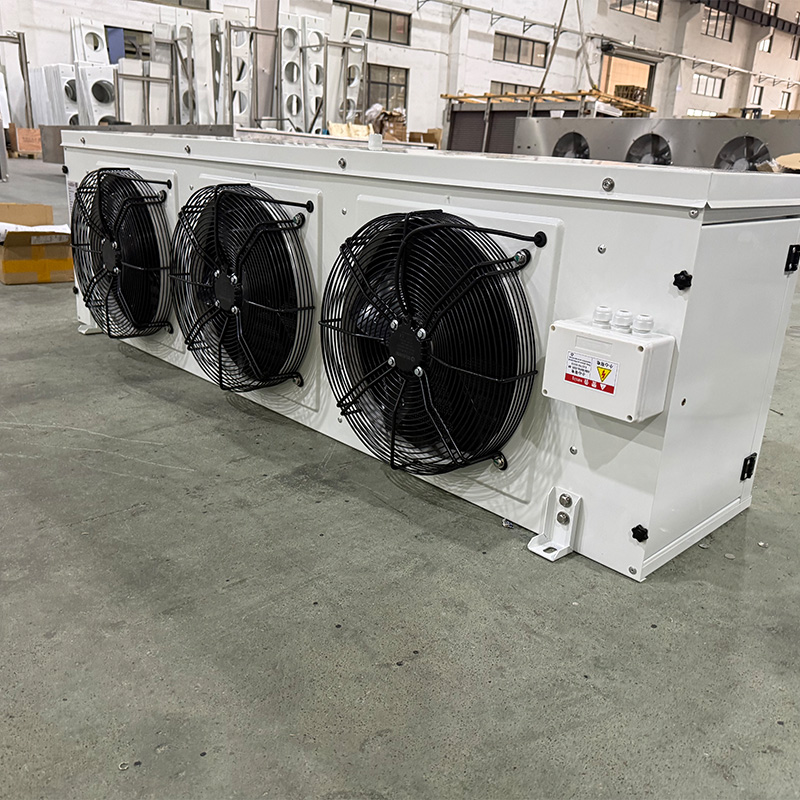
Proper installation of evaporator units is essential for optimal performance. Here are key considerations:
Location: Position the evaporator unit in a way that maximizes airflow and minimizes obstructions. Avoid placing it near heat sources or in areas with poor ventilation.
Ductwork and Piping: Ensure that ductwork is properly sized and insulated to prevent heat gain and loss. This will enhance the efficiency of the cooling system and maintain stable temperatures within the storage room.
Electrical Connections: Verify that the electrical connections meet local codes and regulations. Inadequate electrical setups can lead to operational failures and safety hazards.
Testing and Commissioning: After installation, conduct thorough testing to ensure the unit operates as intended. Check for proper airflow, temperature control, and defrost cycles. Regular maintenance checks can help prolong the lifespan of the unit.
Professional Assistance: If you are unfamiliar with refrigeration installation, consider hiring professionals with experience in cold storage systems. Their expertise can help avoid common mistakes and ensure a successful setup. Additionally, using high-quality refrigeration accessories can further enhance the installation process.
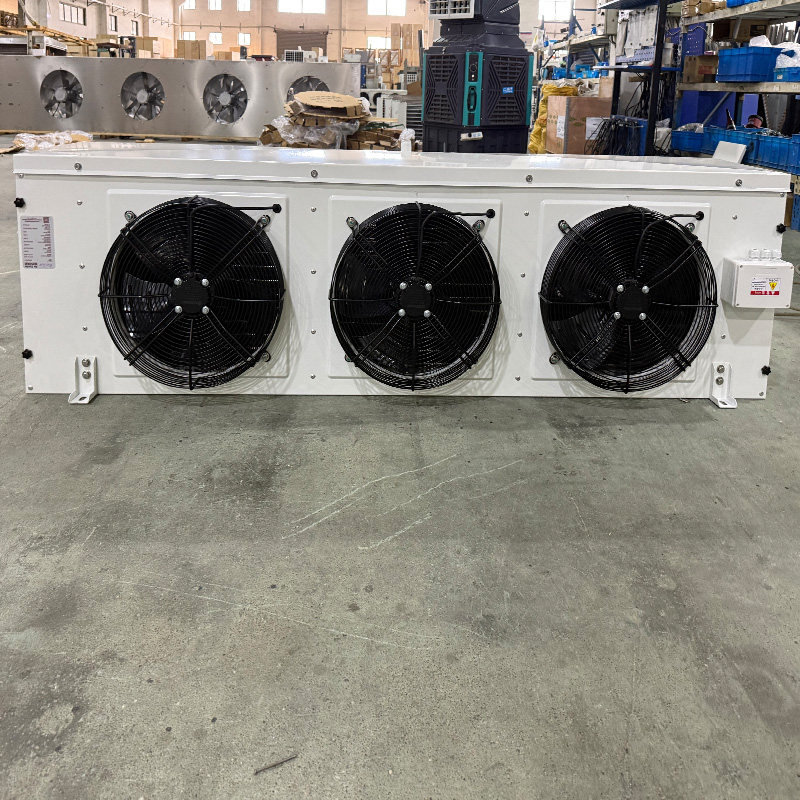
The materials used in the construction of evaporator units significantly influence their performance and longevity. Here are some advantages of selecting high-quality materials:
Durability: Stainless steel and aluminum are common materials for evaporator units due to their resistance to corrosion and ability to withstand harsh conditions. This durability translates to a longer lifespan and lower maintenance costs.
Thermal Conductivity: High-quality materials often exhibit superior thermal conductivity, which enhances the efficiency of heat exchange processes. This can lead to reduced energy consumption and improved cooling performance.
Insulation Properties: The use of high-quality insulation materials minimizes heat transfer, helping to maintain consistent temperatures within the cold storage room. This is especially important for perishable goods that require strict temperature control.
Reduced Maintenance: High-quality materials are less prone to wear and tear, leading to fewer breakdowns and less frequent repairs. This reliability can be crucial for businesses that rely on uninterrupted cold storage.
Environmental Resistance: Units constructed from premium materials are better equipped to handle the specific challenges of cold storage environments, such as moisture and temperature fluctuations. This resilience helps to ensure reliable performance. Investing in evaporator units made from high-quality materials can offer long-term benefits, including lower operational costs and enhanced reliability.
Special docking is available for a complete system of service. It includes creation of plans, Ice cube machine, landing plans, and after-sales support.
A modern factory of over 40000 square meters is in place to satisfy the majority of Condensing units requirements.
More than 20 years of' experience and an experienced R&D EMTH team.
EMTH has a long-standing track record of success in the industry with more than 3,000 satisfied customers.

Welcome to EMTH, a cold storage refrigeration equipment specialist in China! We offer innovative and effective cold storage solutions, including cold storage, evaporator, condensing unit and ice machine.
Room 304-305B, Building 5, BESHINE B.P, No. 559Zhuyuan Road, Minhang District 201112, Shanghai, China
Copyright © Shanghai EMTH Import & Export Co., Ltd. All Rights Reserved. - Privacy Policy
 EN
 AR
 BG
 HR
 CS
 DA
 NL
 FI
 FR
 DE
 EL
 IT
 JA
 KO
 NO
 PL
 PT
 RO
 RU
 ES
 TL
 IW
 ID
 LT
 SR
 VI
 HU
 TH
 MS
 AZ
 JW
 LO
 MN
 SO
 MY
 KK
 TG
 UZ
 GD
 XH