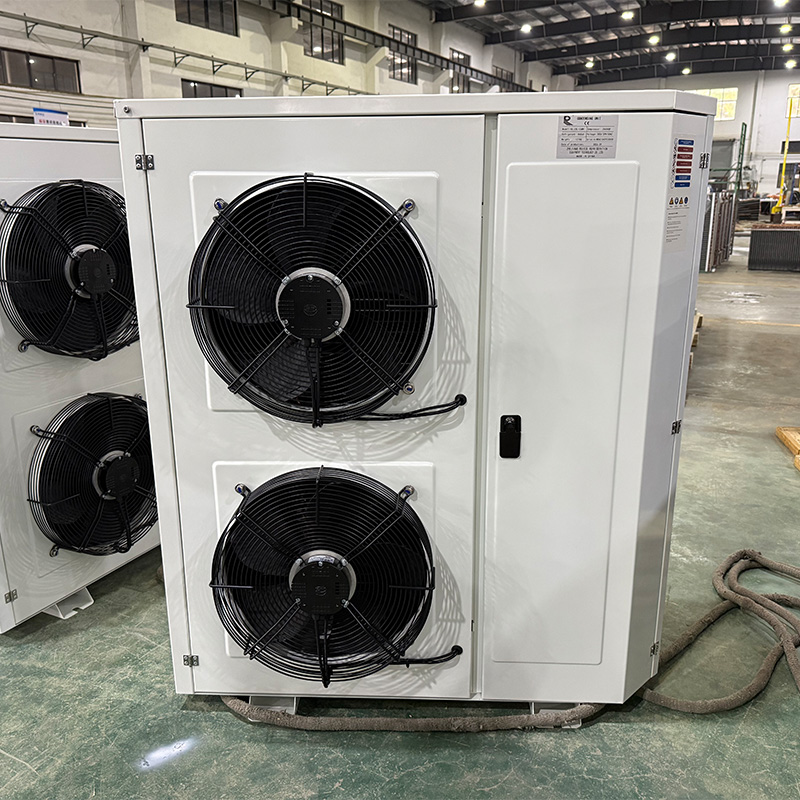
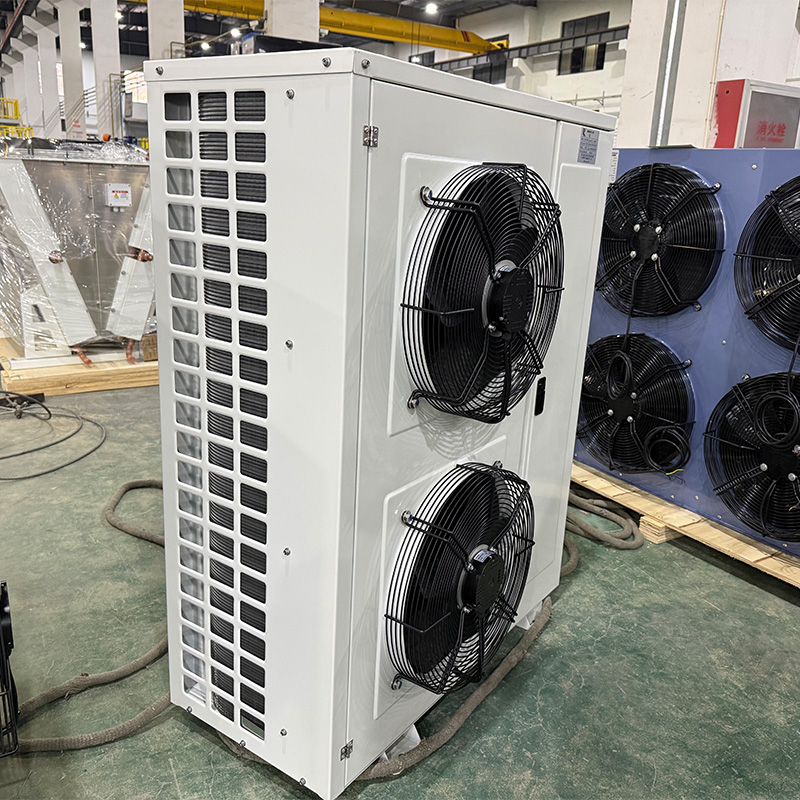
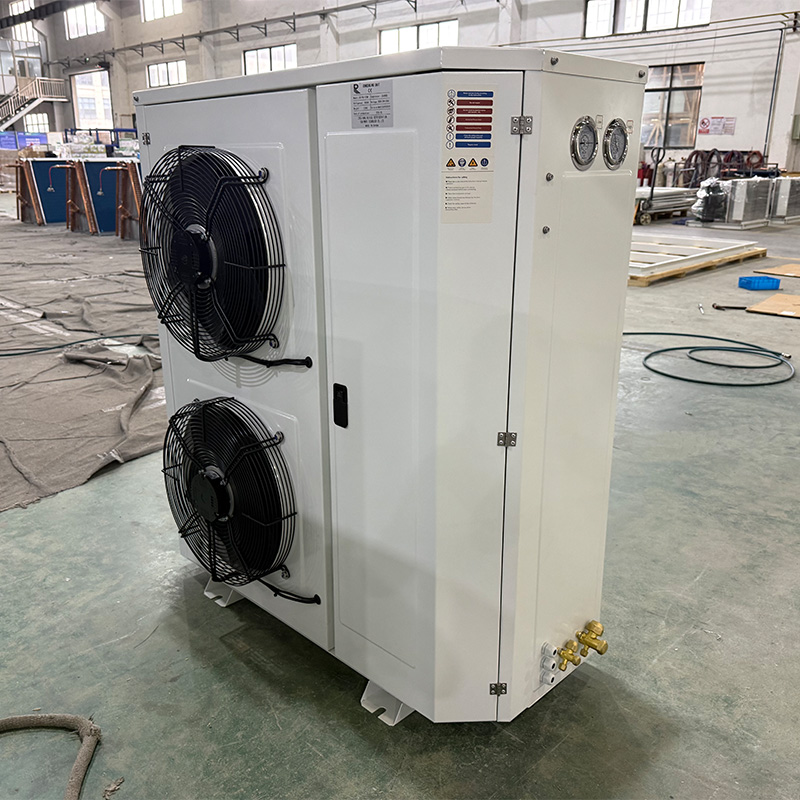
When sourcing a condensing unit for a walk-in freezer, it's essential to understand the critical role these units play in maintaining optimal temperature conditions for perishable goods. Condensing units are integral components of refrigeration systems, designed to vaporize refrigerant gas and expel heat, thus maintaining the cold environment necessary for food storage and other temperature-sensitive applications. This article will address key considerations for purchasing these units, including specifications, supplier selection, cost factors, common issues, and their various applications in walk-in freezer designs.
When sourcing a condensing unit for a walk-in freezer, several critical factors must be taken into account:
Cooling Capacity: The condensing unit must be capable of handling the required cooling load based on the size of the walk-in freezer and the volume of goods stored. Cooling capacity is typically measured in BTUs, and understanding the specific needs of your application will help ensure optimal performance.
Refrigerant Type: Different refrigerants (like R-404A or R-410A) have varying environmental impacts, efficiency levels, and temperature ranges. It’s vital to choose a condensing unit that utilizes a refrigerant compliant with local regulations while meeting your cooling requirements.
Energy Efficiency: Energy-efficient units can lead to significant cost savings over time. Look for units with high SEER (Seasonal Energy Efficiency Ratio) ratings or ENERGY STAR certification, indicating they meet stringent energy efficiency guidelines. For instance, a reliable condensing unit can greatly enhance energy efficiency in your refrigeration systems.
Material and Construction: The materials used in the construction of the condensing unit, such as the compressor and heat exchangers, can affect durability and performance. Units made from corrosion-resistant materials are typically more reliable in harsh environments.
Control Options: Advanced control systems can enhance the efficiency of your walk-in unit. Options like digital thermostats and variable speed fans provide better temperature regulation and reduce energy consumption.
Selecting a reliable supplier is crucial for ensuring the quality and performance of your condensing units. Here are key aspects to consider:
Industry Experience: Look for suppliers with extensive experience in manufacturing refrigeration equipment. Companies like Shanghai EMTH, with over 20 years in the industry and various patents, can provide reliable products backed by expertise.
Customization Capabilities: Depending on your specific needs, it may be essential to work with a supplier who can customize units to fit unique specifications, such as size, capacity, and control systems. For example, consider suppliers that offer options for specific refrigeration accessories to enhance your system.
Quality Assurance Processes: Inquire about the supplier's production and quality control processes. A reputable supplier will have stringent quality checks in place to ensure that units meet industry standards and perform reliably.
Support and Service: Evaluate the level of support provided post-purchase. This includes installation guidance, warranty terms, and availability of spare parts. A supplier that offers comprehensive service can save you time and money in the long run.
Customer Reviews and References: Research customer feedback and request references. A supplier with a solid reputation and positive customer experiences is likely to deliver quality products.
When evaluating the cost of condensing units for bulk orders, several factors come into play:
Volume Discounts: Many manufacturers offer discounts for bulk orders. Understanding the pricing structure and potential savings can significantly impact your budget.
Shipping Costs: Consider logistics when ordering in bulk. Shipping costs can vary based on the quantity and destination, potentially affecting the overall price.
Installation and Maintenance: Factor in any additional costs related to the installation and maintenance of the units. Some suppliers may offer installation services, which could simplify the process but add to the initial investment.
Energy Costs: While the upfront cost is important, consider the long-term energy consumption of the condensing units. Energy-efficient units may have a higher initial cost but can result in lower operational expenses.
Warranty and Service Agreements: The terms of warranty and any service agreements should also be part of your cost analysis. A longer warranty or comprehensive service package may justify a higher initial price.
Walk-in freezer condensing units can encounter several common issues. Understanding these can help in preventative maintenance and troubleshooting:
Insufficient Cooling: This issue can arise from various factors, including a malfunctioning compressor, inadequate refrigerant levels, or poor airflow. Regular maintenance checks and prompt repairs can prevent this problem.
Refrigerant Leaks: Leaks can lead to reduced efficiency and increased energy costs. Regular inspections can help identify leaks early, allowing for timely repairs.
Compressor Failure: The compressor is a critical component. Signs of failure may include unusual noises or vibrations. Proper installation and regular maintenance can help extend the life of the compressor.
Frost Buildup: Excessive frost can block airflow and reduce efficiency. This often occurs due to high humidity levels or malfunctioning defrost systems. Implementing proper humidity controls and ensuring the defrost system is working correctly can mitigate this issue.
Electrical Issues: Electrical failures can result from wiring problems or faulty components. Routine electrical inspections can help ensure that all connections are secure and functioning properly.
More than 20 years of' experience and an experienced EMTH R&D staff.
With a great reputation in the industry with over 3,000+ clients served, EMTH EMTH is a trustworthy known and dependable supplier that has been recognized by other clients.
Complete service system, from the creation of plans, Ice maker for commercial production and project landing, to after-sales services, there's special docking.
A modern factory space that covers more than 40000 square meters, it is able to meet the vast majority of the EMTH production requirements.

Welcome to EMTH, a cold storage refrigeration equipment specialist in China! We offer innovative and effective cold storage solutions, including cold storage, evaporator, condensing unit and ice machine.
Room 304-305B, Building 5, BESHINE B.P, No. 559Zhuyuan Road, Minhang District 201112, Shanghai, China
Copyright © Shanghai EMTH Import & Export Co., Ltd. All Rights Reserved. - Privacy Policy
 EN
 AR
 BG
 HR
 CS
 DA
 NL
 FI
 FR
 DE
 EL
 IT
 JA
 KO
 NO
 PL
 PT
 RO
 RU
 ES
 TL
 IW
 ID
 LT
 SR
 VI
 HU
 TH
 MS
 AZ
 JW
 LO
 MN
 SO
 MY
 KK
 TG
 UZ
 GD
 XH