In the realm of commercial refrigeration, a reliable condenser unit for walk-in freezers is essential for maintaining optimal storage conditions. These units are crucial for businesses that require consistent temperature control, such as restaurants, supermarkets, and food processing facilities. Buyers often seek information about product specifications, quality assurance, and common issues that can arise with these systems. This article aims to provide a comprehensive overview of condenser units, focusing on key specifications, quality evaluation, typical problems and solutions, material significance, and their various applications.
Understanding the specifications of a condenser unit for walk-in freezers is vital for making an informed purchasing decision. Key specifications include cooling capacity, dimensions, refrigerant type, and energy efficiency ratings.
Cooling Capacity: Measured in BTUs (British Thermal Units), this indicates how much heat the unit can remove from the environment. It’s crucial to choose a unit with an appropriate capacity based on the size of the walk-in freezer and the volume of products stored. An undersized unit may struggle to maintain the desired temperature, while an oversized unit can cycle on and off too frequently, leading to energy inefficiency.
Dimensions: The physical size of the condenser unit must fit within the designated space while ensuring adequate airflow. Proper installation space should be calculated to avoid blocking airflow, which can lead to overheating and reduced efficiency.
Refrigerant Type: Common refrigerants include R404A and R410A, each with different environmental impacts and performance characteristics. Understanding the regulatory environment around refrigerants can also influence purchasing decisions.
Energy Efficiency Ratings: Look for units with high SEER (Seasonal Energy Efficiency Ratio) ratings. Higher efficiency often correlates with lower operational costs, making these units more economically viable in the long run.
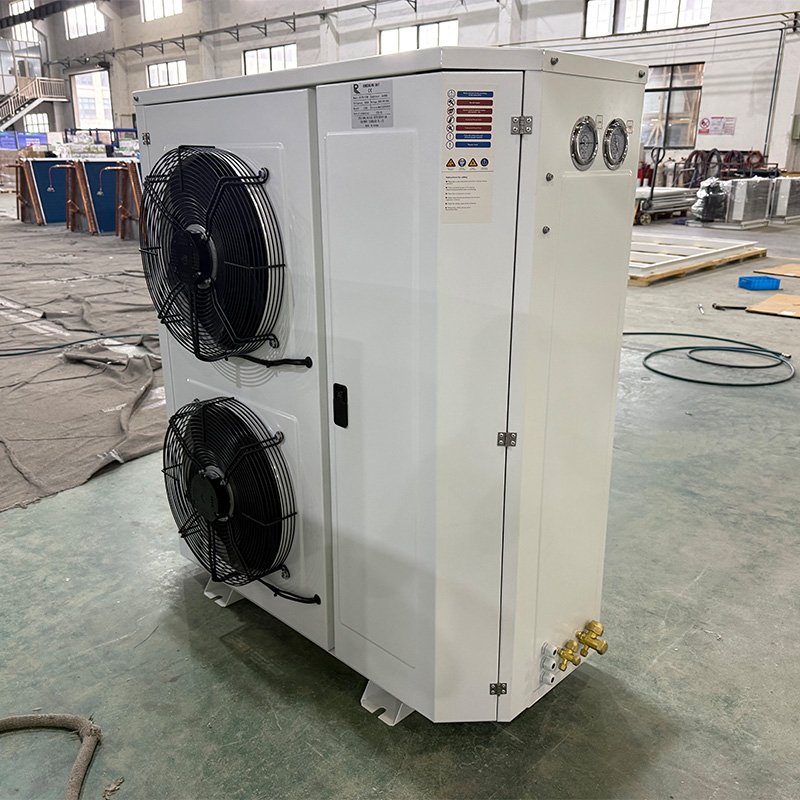
When evaluating the quality of condenser units for walk-in freezers, several factors come into play. First, consider the manufacturer’s reputation and experience in the industry. Companies like Shanghai EMTH, with over 20 years of experience and numerous patents, typically indicate a commitment to innovation and quality. Additionally, the quality of refrigeration accessories can also impact overall performance.
Next, examine the materials used in construction. High-quality condenser units are often made from corrosion-resistant materials, such as stainless steel or coated metals, which enhance durability and longevity.
Additionally, inquire about quality control processes employed during manufacturing. A rigorous quality assurance system ensures that each unit meets defined performance standards and reduces the likelihood of defects.
Finally, consider customer reviews and case studies that provide insights into real-world performance. Feedback from other businesses can highlight potential issues not immediately apparent in technical specifications.
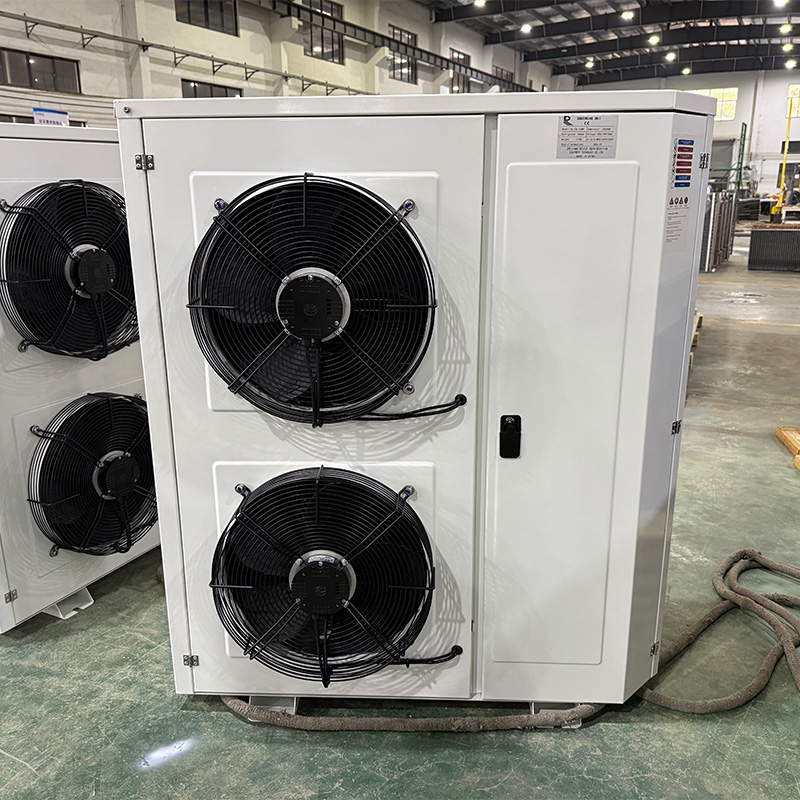
Condenser units can face various challenges during operation. Common problems include inadequate cooling, unusual noises, and refrigerant leaks.
Inadequate Cooling: This can be caused by several factors, including insufficient airflow, dirty coils, or a malfunctioning compressor. Regular maintenance, including cleaning coils and ensuring proper airflow, can mitigate these issues.
Unusual Noises: Noises such as buzzing or rattling can indicate loose components or failing parts. It’s essential to address these noises promptly, as they can signal impending failure.
Refrigerant Leaks: Leaks not only compromise cooling efficiency but can also lead to environmental concerns. Regular inspections and immediate repairs of leaks are critical to maintaining performance and compliance with environmental regulations.
Developing a routine maintenance schedule can help prevent these problems from escalating and ensure consistent performance from the condenser unit.
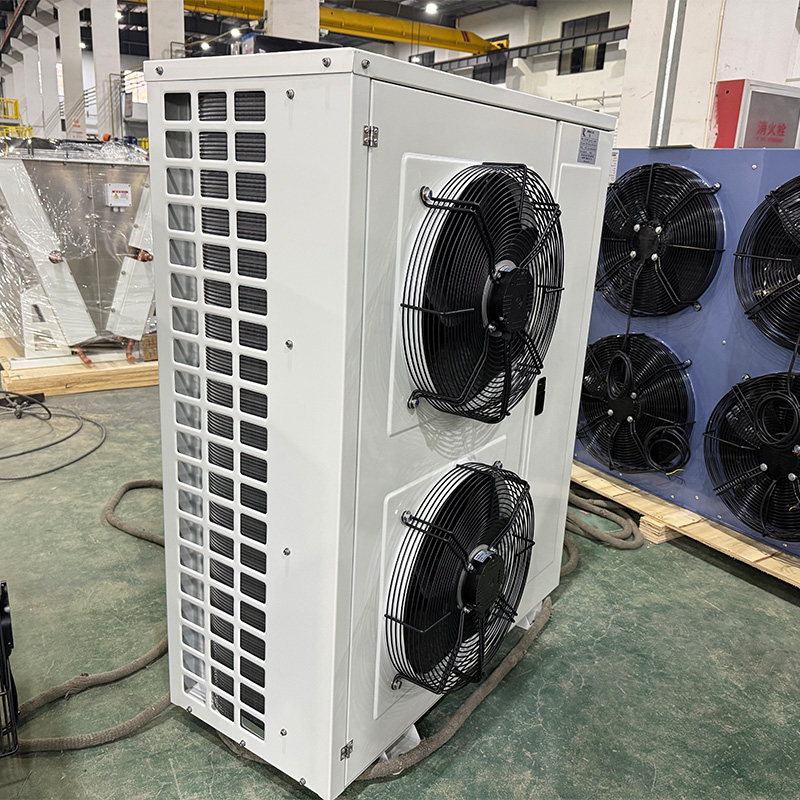
The materials used in manufacturing condenser units significantly affect their performance and longevity. High-quality materials resist corrosion, withstand extreme temperatures, and ensure reliable operation over time.
Corrosion Resistance: Units exposed to moisture and cold temperatures, especially in food storage environments, must be made from materials that resist corrosion, such as stainless steel or specially coated metals. This is crucial for maintaining operational efficiency and longevity.
Insulation Properties: The insulation used in the unit also plays a critical role. Effective insulation minimizes heat exchange, ensuring the unit operates efficiently and maintains the desired internal temperature.
Component Durability: Components such as fans, compressors, and coils need to be made of high-grade materials to withstand continuous operation and prevent premature failure.
Investing in high-quality materials may involve a higher initial cost but can lead to significant savings in maintenance and operational efficiency over the unit's lifecycle.
Complete service program, from formulating of plans, production of Cold room as well as project landing until after-sales service, there are specific docking.
With a good reputation in the industry and more than 3,000 clients who have been served, Condensing unit is a trustworthy established supplier that has been recognized by other customers.
Over 20 years of experience, we have the complete sales and after-sales systems with more than 20 patents and a professional R&D EMTH team.
The modern factory has an area greater than 40,000 square meters, to satisfy the majority of the EMTH production requirements.

Welcome to EMTH, a cold storage refrigeration equipment specialist in China! We offer innovative and effective cold storage solutions, including cold storage, evaporator, condensing unit and ice machine.
Room 304-305B, Building 5, BESHINE B.P, No. 559Zhuyuan Road, Minhang District 201112, Shanghai, China
Copyright © Shanghai EMTH Import & Export Co., Ltd. All Rights Reserved. - Privacy Policy
 EN
 AR
 BG
 HR
 CS
 DA
 NL
 FI
 FR
 DE
 EL
 IT
 JA
 KO
 NO
 PL
 PT
 RO
 RU
 ES
 TL
 IW
 ID
 LT
 SR
 VI
 HU
 TH
 MS
 AZ
 JW
 LO
 MN
 SO
 MY
 KK
 TG
 UZ
 GD
 XH