Selecting the right commercial condenser coil unit can significantly impact the efficiency and effectiveness of your refrigeration systems. These units are essential for heat exchange processes in various industrial and commercial applications, ensuring that temperatures remain within required limits. B2B buyers, such as purchasing managers and engineers, often have concerns regarding specifications, compatibility, and cost. This article will guide you through the critical factors to consider when choosing a commercial condenser coil unit, offer purchasing tips, explain installation requirements, address common issues, and compare costs to help you make informed decisions.
When selecting a commercial condenser coil unit, it is crucial to consider several key factors to ensure optimal performance:
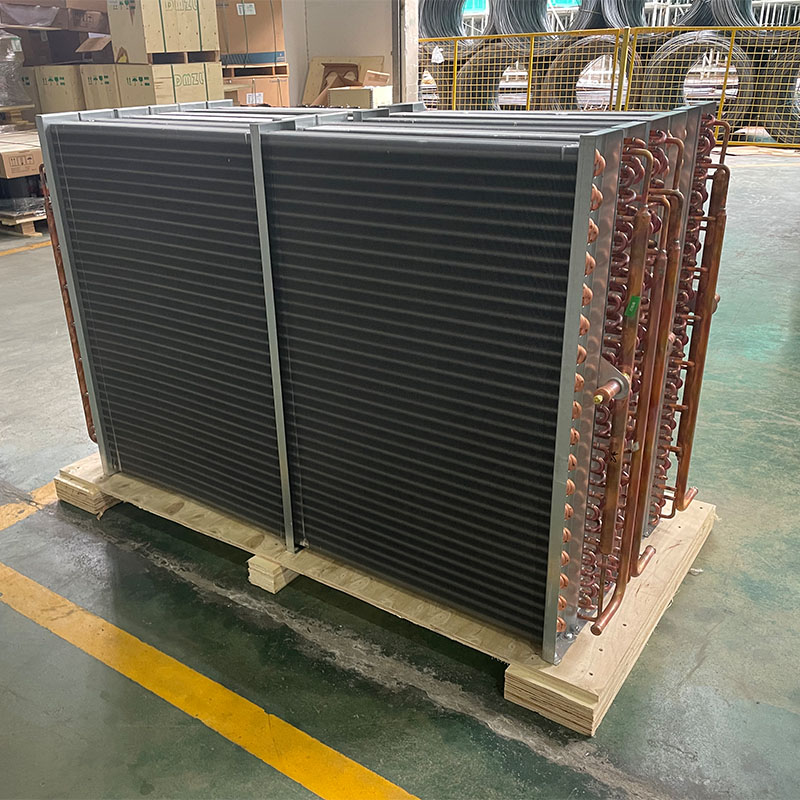
Material Construction: The material used for the coil can affect its durability and efficiency. Common materials include copper and aluminum. Copper offers excellent thermal conductivity but may be more expensive, while aluminum is lightweight and resistant to corrosion but could have lower thermal efficiency. For instance, if you opt for copper, you might want to consider products that fit well with Refrigeration Accessories.
Size and Dimensions: The dimensions of the condenser coil unit should match the requirements of your refrigeration system. It is essential to consider the available space and ensure that the unit can be installed without obstruction. Overly large coils can lead to inefficiencies, while undersized coils may not provide sufficient cooling.
Airflow and Heat Transfer: Evaluate the airflow design of the coil. A well-designed coil will ensure optimal heat transfer, which is crucial for maintaining efficient refrigeration processes. The coil's surface area and fin design also play a role in enhancing airflow and heat dissipation.
Operating Conditions: Understanding the environmental conditions where the unit will operate is vital. For example, if the unit will be exposed to harsh weather conditions, ensure that it has protective coatings and is designed for outdoor use.
Customization Options: Depending on your specific application, you may require customized units. Discuss your needs with the manufacturer to explore options related to dimensions, materials, and performance specifications. For instance, you might want to look into Control Box options that fit your specific needs.
By considering these factors, you can select a condenser coil unit that meets your operational needs and enhances efficiency.
When purchasing commercial condenser coil units in bulk, several tips can help you navigate the wholesale buying process effectively:
Request Detailed Quotations: When contacting suppliers, provide comprehensive information about your needs, including specifications, desired quantities, and application requirements. This will lead to more accurate quotations.
Evaluate Supplier Credentials: Look for manufacturers with a proven track record in the industry, such as those with extensive experience and patents. Companies like Shanghai EMTH, with over 20 years of experience in manufacturing refrigeration equipment, can offer valuable insights into product quality and reliability.
Check Minimum Order Quantities (MOQ): Be aware of the MOQ set by suppliers, as this can affect your purchasing strategy. Depending on your needs, consider negotiating terms that may allow flexibility in order quantities.
Explore Customization and Variations: Many manufacturers offer customization options that can better fit your specific requirements. Discuss potential variations in design or functionality that may suit your applications better.
Inspect Samples Before Bulk Ordering: Always request samples before committing to large orders. This allows you to evaluate the quality, fit, and performance of the unit under actual operating conditions.
By following these tips, you can enhance your purchasing process and ensure that you receive high-quality products that meet your needs.
Proper installation of commercial condenser coil units is essential for optimal performance and longevity. Here are key requirements to consider:
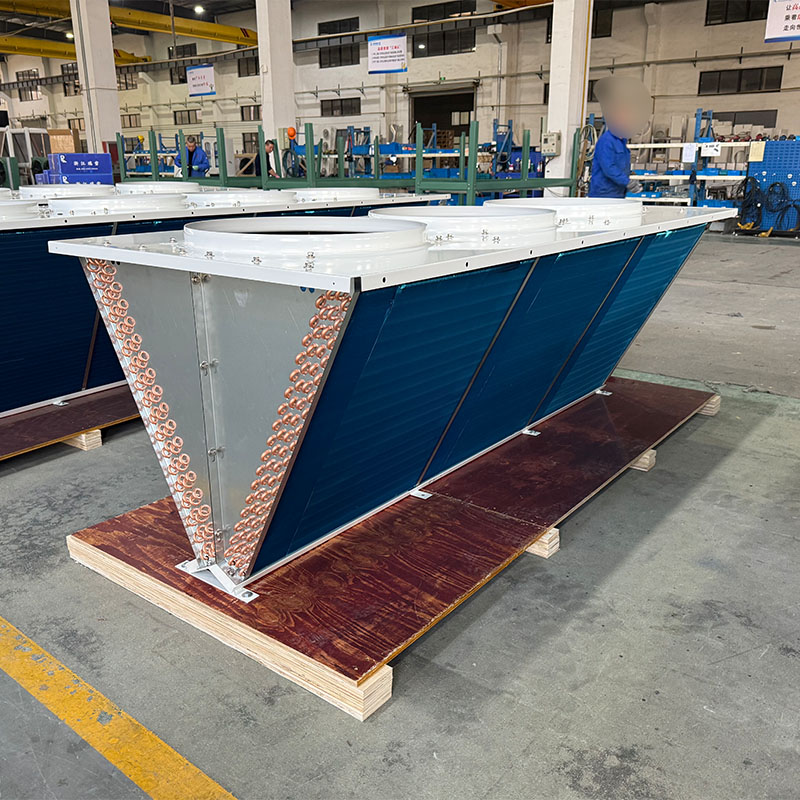
Location and Space: Ensure that the installation site provides adequate space for airflow and maintenance access. The unit should be placed away from obstructions to allow for proper air circulation.
Mounting and Support: The unit must be securely mounted to prevent vibration and movement during operation. Use appropriate mounting brackets and supports that can handle the weight of the coil and its components.
Electrical Connections: Ensure that electrical connections are installed according to local codes and regulations. It is advisable to have a qualified technician handle the electrical work to avoid safety hazards.
Refrigerant Lines: Properly insulate and route refrigerant lines to minimize energy loss and maintain system efficiency. Ensure that the lines are leak-free and securely connected.
Testing and Commissioning: After installation, conduct thorough testing to confirm that the system operates as intended. Check for any leaks, measure temperature differentials, and ensure that all components function correctly.
By understanding these installation requirements, you can ensure that your condenser coil unit operates efficiently and effectively from the start.
Even the most reliable commercial condenser coil units can experience issues over time. Here are some common problems and their solutions:
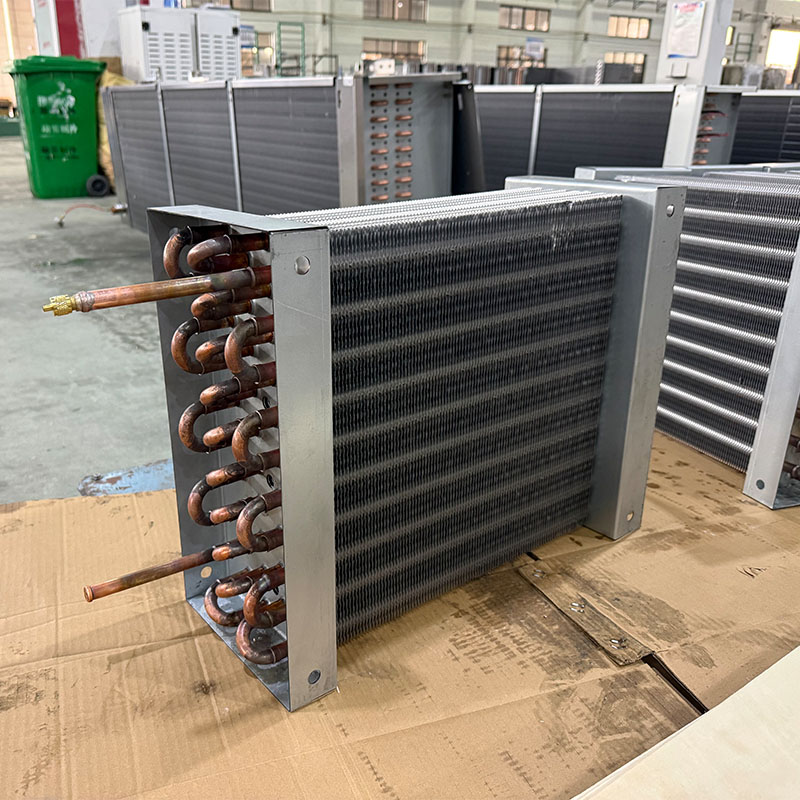
Reduced Cooling Efficiency: This can occur due to dirt buildup on the coils or blocked airflow. Regular cleaning and maintenance are essential to prevent this issue. Using a coil cleaner and ensuring that the surrounding area is free from obstructions can help maintain efficiency.
Refrigerant Leaks: Leaks can result in decreased performance and increased energy costs. Regularly inspect refrigerant lines and connections for signs of wear or damage. If a leak is detected, it is crucial to address it immediately with professional help.
Noise During Operation: Unusual noises can indicate loose components or mechanical issues. Check for loose screws or mounting hardware and tighten them as necessary. If noise persists, consult a technician to diagnose potential mechanical failures.
Frost Buildup: Frost on the coils can hinder performance. This may be caused by low refrigerant levels, poor airflow, or insufficient insulation. Address the root cause and ensure proper airflow and refrigerant levels to prevent frost accumulation.
By being aware of these common issues and their solutions, you can take proactive measures to maintain your condenser coil unit and ensure its longevity.
EMTH EMTH has a track record in the field with over 3,000+ happy customers.
A modern facility of more than 40,000 square meters is available to meet the majority of EMTH requirements.
Special docking is offered for a complete service. This includes the design of Commercial ice maker, production installation, landing projects, and after-sales support.
After more than 20 years of expertise, we've got full sales and production and after-sales process with more than 20 patent certificates and a skilled R&D EMTH team.

Welcome to EMTH, a cold storage refrigeration equipment specialist in China! We offer innovative and effective cold storage solutions, including cold storage, evaporator, condensing unit and ice machine.
Room 304-305B, Building 5, BESHINE B.P, No. 559Zhuyuan Road, Minhang District 201112, Shanghai, China
Copyright © Shanghai EMTH Import & Export Co., Ltd. All Rights Reserved. - Privacy Policy
 EN
 AR
 BG
 HR
 CS
 DA
 NL
 FI
 FR
 DE
 EL
 IT
 JA
 KO
 NO
 PL
 PT
 RO
 RU
 ES
 TL
 IW
 ID
 LT
 SR
 VI
 HU
 TH
 MS
 AZ
 JW
 LO
 MN
 SO
 MY
 KK
 TG
 UZ
 GD
 XH