When it comes to industrial refrigeration systems, chillers and condensers play a vital role in maintaining optimal temperatures for various applications. As a B2B buyer, understanding the key aspects of these systems is crucial to ensuring efficiency and reliability in your operations. This article will guide you through essential considerations when selecting chillers and condensers, helping you make informed purchasing decisions that align with your specific needs.
When selecting chillers and condensers for bulk orders, buyers should consider several key factors that directly impact performance and compatibility with existing systems. First, assess the required cooling capacity based on your applications. This is often measured in tons or kilowatts and should align with the specific thermal loads of your facility.
Next, evaluate the type of refrigerant used in the chillers and condensers. Different refrigerants have varying environmental impacts and efficiency ratings. Ensure that the selected refrigerant complies with local regulations and standards, which can affect operational costs and environmental sustainability.
Additionally, factor in the intended operating conditions. Chilliers must be designed to operate efficiently within your specific temperature and humidity ranges. It’s also important to consider the space available for installation and whether the units will fit seamlessly into your existing infrastructure. For instance, ensure that the selected Evaporator is compatible with the chillers and condensers being considered.
Lastly, explore customization options. Manufacturers like Shanghai EMTH offer tailored solutions to meet unique specifications, which can be crucial for optimizing performance and ensuring longevity in demanding operational environments.
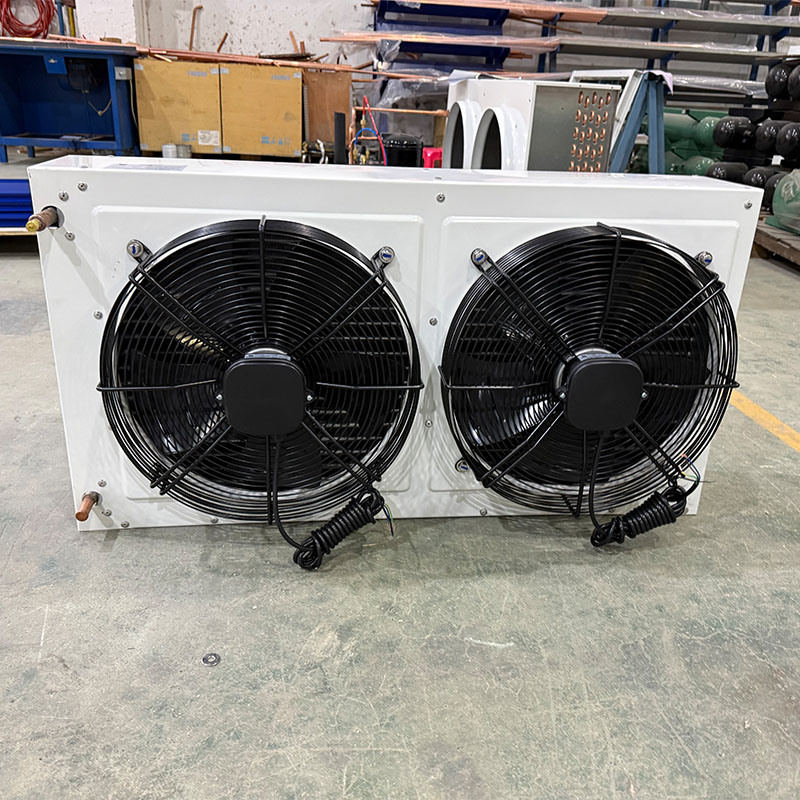
Understanding the specifications that define high-performance chillers and condensers is essential for making an informed purchasing decision. Key specifications include:
Cooling Capacity: This indicates the amount of heat a chiller can remove from a space, typically expressed in tons. The required capacity should be calculated based on the thermal load of the application.
Efficiency Ratings: Look for units with high Energy Efficiency Ratios (EER) or Coefficient of Performance (COP) ratings. Higher ratings indicate lower operational costs and energy consumption, which can lead to significant savings over time.
Material Construction: The materials used in the construction of the condenser coils and housing affect durability and efficiency. Copper and aluminum are common choices; however, their suitability may vary depending on the specific application and environmental factors.
Pressure Ratings: Ensure that the chillers and condensers can handle the pressure requirements of your system. This includes verifying the design pressure and ensuring compliance with safety standards.
Control Systems: Modern chillers often feature advanced control systems that allow for precise temperature management and energy savings. Evaluate the ease of integration with existing systems and the level of automation required.
By focusing on these specifications, buyers can select chillers and condensers that not only meet their immediate needs but also provide long-term operational efficiency. For example, incorporating advanced Control Box systems can enhance the overall functionality of your refrigeration setup.
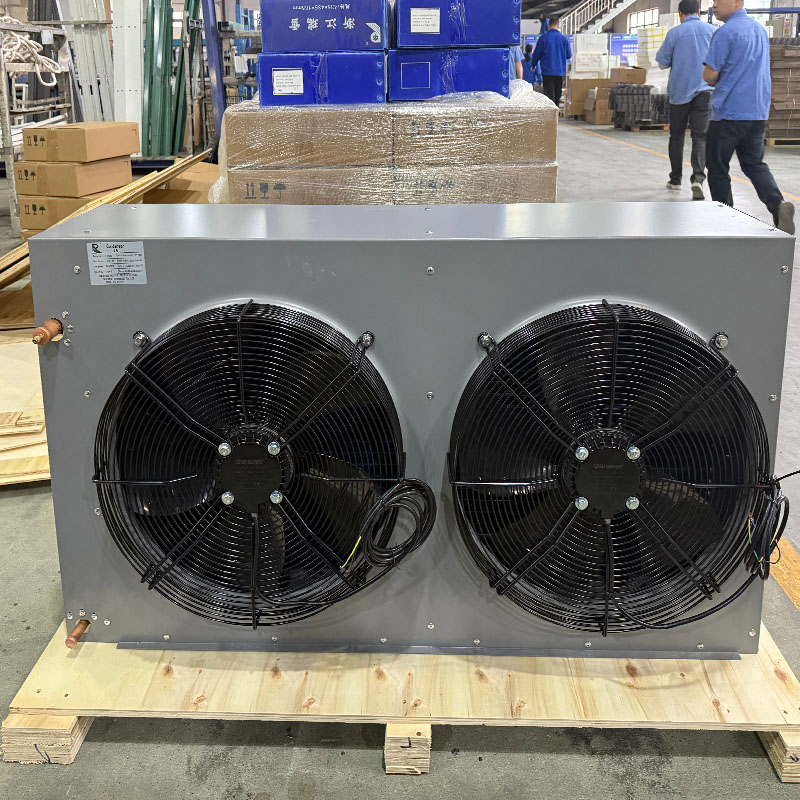
Comparing different chiller and condenser options requires a systematic approach to ensure you select the best fit for your project. Start by creating a list of your specific requirements, including cooling capacity, energy efficiency, and space constraints.
Next, request detailed specifications from multiple manufacturers. This should include technical data sheets, performance curves, and installation guidelines. Pay close attention to the EER and COP ratings, as these will influence your energy costs over time.
Consider the manufacturer’s reputation and experience. Established suppliers like Shanghai EMTH, with over 20 years of experience and numerous patents, often have proven track records in quality and reliability. Look for customer reviews and case studies that demonstrate their products in action.
Finally, assess the available support and warranty options. A robust warranty and responsive customer service can significantly affect your experience post-purchase, especially when dealing with installation and maintenance.
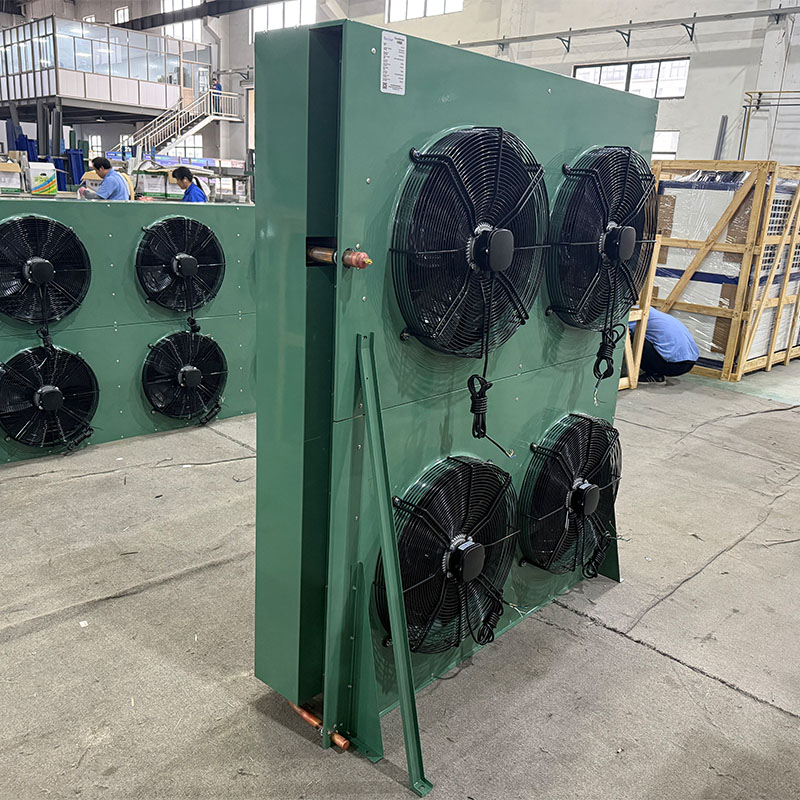
Proper installation of chillers and condensers is critical to achieving optimal performance and longevity. Start by reviewing the installation manual provided by the manufacturer. This will include specific requirements such as clearance space, mounting orientations, and electrical connections.
Ensure that the installation site is prepared to accommodate the unit's weight and dimensions. This includes checking for adequate structural support and ensuring that the floor is level. Additionally, plan for appropriate ventilation to prevent overheating, as inadequate airflow can lead to inefficiencies or system failures.
During the installation process, verify that all connections—both refrigerant and electrical—are secure and leak-free. After installation, conduct a thorough inspection of the system to ensure it operates within the specified parameters. Regular maintenance checks should also be scheduled to identify and address potential issues early, thereby extending the lifespan of the equipment.
A modern plant of over 40000 square meters is in place to meet the EMTH majority manufacturing requirements.
Special docking is available for a complete system of service. It includes creation of plans, Axial fans, landing plans, and after-sales support.
With a good reputation in the industry and more than 3,000 clients who have been served, Condensing unit is a trustworthy established supplier that has been recognized by other customers.
We have more than 20 years of experience and an experienced R&D EMTH.

Welcome to EMTH, a cold storage refrigeration equipment specialist in China! We offer innovative and effective cold storage solutions, including cold storage, evaporator, condensing unit and ice machine.
Room 304-305B, Building 5, BESHINE B.P, No. 559Zhuyuan Road, Minhang District 201112, Shanghai, China
Copyright © Shanghai EMTH Import & Export Co., Ltd. All Rights Reserved. - Privacy Policy
 EN
 AR
 BG
 HR
 CS
 DA
 NL
 FI
 FR
 DE
 EL
 IT
 JA
 KO
 NO
 PL
 PT
 RO
 RU
 ES
 TL
 IW
 ID
 LT
 SR
 VI
 HU
 TH
 MS
 AZ
 JW
 LO
 MN
 SO
 MY
 KK
 TG
 UZ
 GD
 XH