Air cooler evaporators play a crucial role in modern refrigeration systems, serving as essential components that facilitate temperature regulation and humidity control in various applications. As a B2B buyer, understanding the intricacies of air cooler evaporators—such as their specifications, material advantages, and installation requirements—is vital for making informed purchasing decisions. This article will help you navigate the key aspects of air cooler evaporators, ensuring you can evaluate potential suppliers effectively and select the right products for your needs.
When assessing air cooler evaporators, several key specifications should be taken into account. Firstly, the capacity of the evaporator, measured in BTUs, indicates its cooling ability. Buyers should align this with their specific cooling requirements based on the application environment.
Next, consider the dimensions of the evaporator. A well-fitted evaporator is crucial for optimal performance; dimensions that are too large or small may lead to inefficiencies or require additional modifications.
Material composition is another critical factor. Most air cooler evaporators are constructed from aluminum or copper. Aluminum offers lightweight benefits and resistance to corrosion, while copper is prized for its excellent thermal conductivity. Buyers should evaluate which material best meets their operational conditions, especially if the evaporator will be exposed to moisture or corrosive chemicals. Additionally, incorporating a range of refrigeration accessories can enhance the overall efficiency of your system.
Additionally, fin design and tube configuration impact heat transfer efficiency. The arrangement of fins can enhance surface area for better heat exchange, while tube diameter affects refrigerant flow. Buyers should inquire about these design elements to ensure compatibility with their existing systems.
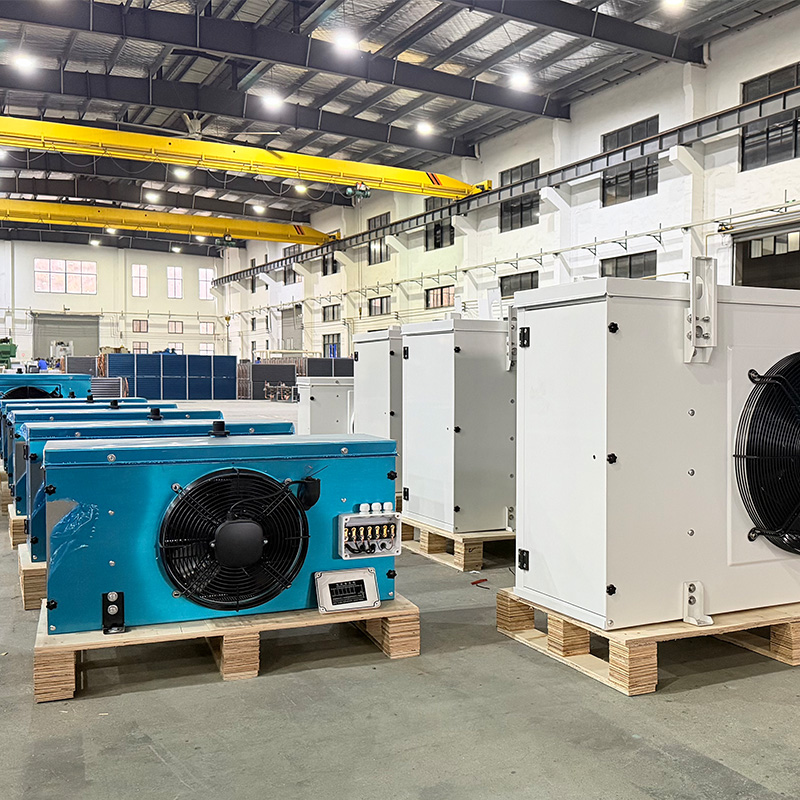
Finding reliable suppliers for air cooler evaporators is crucial for ensuring product quality and service. Look for manufacturers with a proven track record in the refrigeration industry, ideally with over a decade of experience and a portfolio of successful projects.
Certifications can also indicate a supplier's credibility. Manufacturers that adhere to international quality standards demonstrate a commitment to maintaining high production standards.
For example, Shanghai EMTH, with over 20 years of experience and multiple patents, has established itself as a reputable manufacturer of refrigeration equipment. When considering suppliers, inquire about their R&D capabilities, production capacity, and custom solutions. A supplier that offers one-stop cold room solutions can streamline your procurement process, providing both the evaporators and any necessary supplementary equipment. Consider also their offerings for control boxes which can enhance operational efficiency.
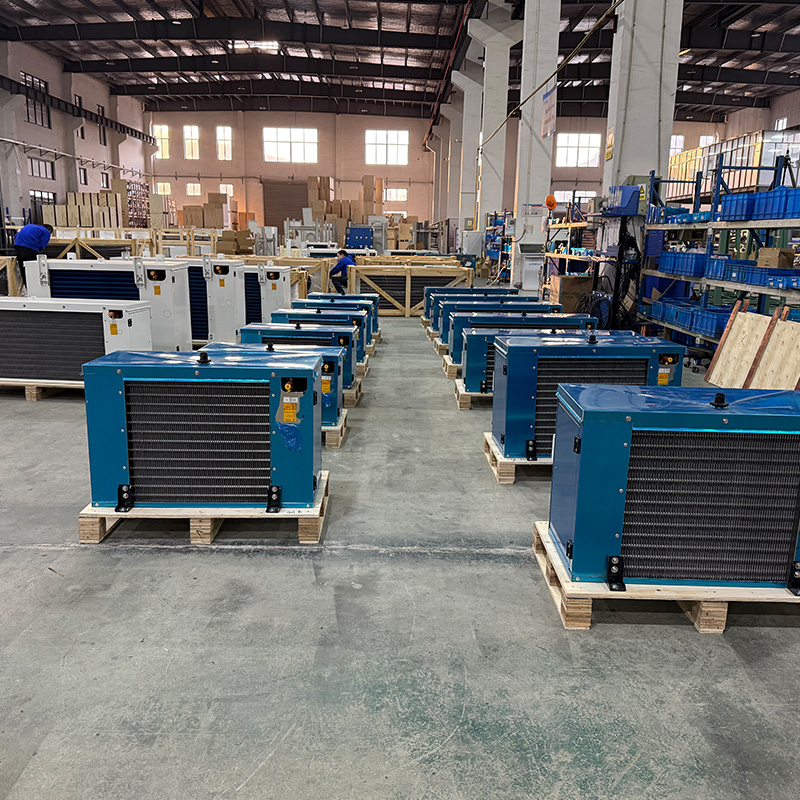
The choice of materials in air cooler evaporator design significantly influences performance, durability, and maintenance requirements. Aluminum is typically favored for its lightweight nature and ability to resist corrosion, making it suitable for a variety of applications where moisture is a concern. It also allows for quicker cooling response times due to its thermal properties.
On the other hand, copper, while heavier and generally more expensive, excels in thermal conductivity. This means that evaporators made from copper can achieve lower temperatures more efficiently. However, they may require additional protective coatings to prevent corrosion in humid environments.
Moreover, hybrid designs that incorporate both materials can provide a balance of performance and durability. When assessing materials, consider the operational environment, potential chemical exposure, and required lifespan of the evaporator. Discussing these factors with your supplier can help clarify the best options for your specific application.
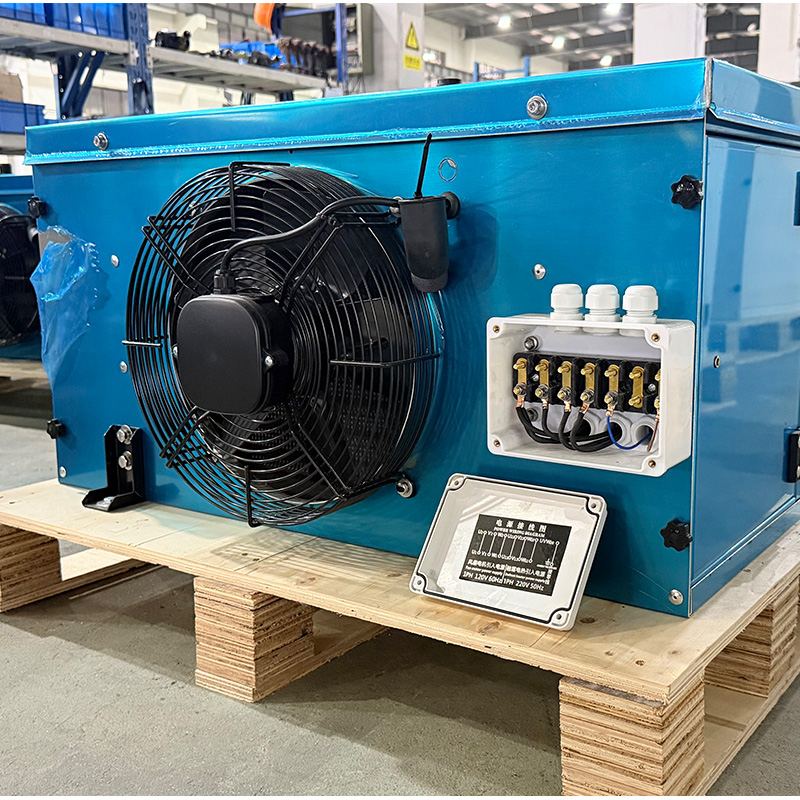
Proper installation is key to maximizing the efficiency of air cooler evaporators. Before installation, ensure that the installation site is prepared adequately, with proper alignment to avoid airflow blockages.
During installation, pay attention to the orientation of the evaporator. Incorrect positioning can lead to inefficient cooling and increased energy costs. Ensure that all connections to the refrigerant lines are secure to prevent leaks, and check that the drainage system is clear to avoid water accumulation.
It is advisable to conduct a system check after installation to confirm that all components are functioning correctly. This includes verifying the refrigerant charge and ensuring that the airflow is unobstructed. Regular maintenance checks should also be scheduled to maintain optimal performance over time.
EMTH EMTH has a solid track record in the field, with over 3,000+ happy customers.
The modern factory has an area greater than 40,000 square meters, to satisfy the majority of the EMTH production requirements.
More than 20 years of of experience and a professional R&D EMTH staff.
Special docking is available for a complete system of service. It includes creation of plans, Ice cube machine, landing plans, and after-sales support.

Welcome to EMTH, a cold storage refrigeration equipment specialist in China! We offer innovative and effective cold storage solutions, including cold storage, evaporator, condensing unit and ice machine.
Room 304-305B, Building 5, BESHINE B.P, No. 559Zhuyuan Road, Minhang District 201112, Shanghai, China
Copyright © Shanghai EMTH Import & Export Co., Ltd. All Rights Reserved. - Privacy Policy
 EN
 AR
 BG
 HR
 CS
 DA
 NL
 FI
 FR
 DE
 EL
 IT
 JA
 KO
 NO
 PL
 PT
 RO
 RU
 ES
 TL
 IW
 ID
 LT
 SR
 VI
 HU
 TH
 MS
 AZ
 JW
 LO
 MN
 SO
 MY
 KK
 TG
 UZ
 GD
 XH