Walk-in cooler condensing units are essential components in refrigeration systems, designed to maintain optimal temperatures for various perishable goods in commercial settings. For B2B buyers, understanding the specifications, capabilities, and applications of these units is vital for making informed purchasing decisions. This article will cover key considerations when selecting a walk-in cooler condensing unit, provide a buyer's guide, discuss finding reliable suppliers, and highlight essential factors buyers need to know.
When selecting a walk-in cooler condensing unit, several critical factors must be evaluated:
Cooling Capacity: Measured in BTUs (British Thermal Units), the cooling capacity should match the requirements of your specific application. An undersized unit will struggle to maintain temperature, while an oversized unit may lead to excessive cycling, resulting in wear and energy inefficiency.
Energy Efficiency: Look for units with high Energy Efficiency Ratio (EER) ratings. Efficient units not only reduce operational costs but also contribute to sustainability goals.
Refrigerant Type: The choice of refrigerant impacts both environmental compliance and operational efficiency. Familiarize yourself with the latest refrigerant regulations, as some older types are being phased out.
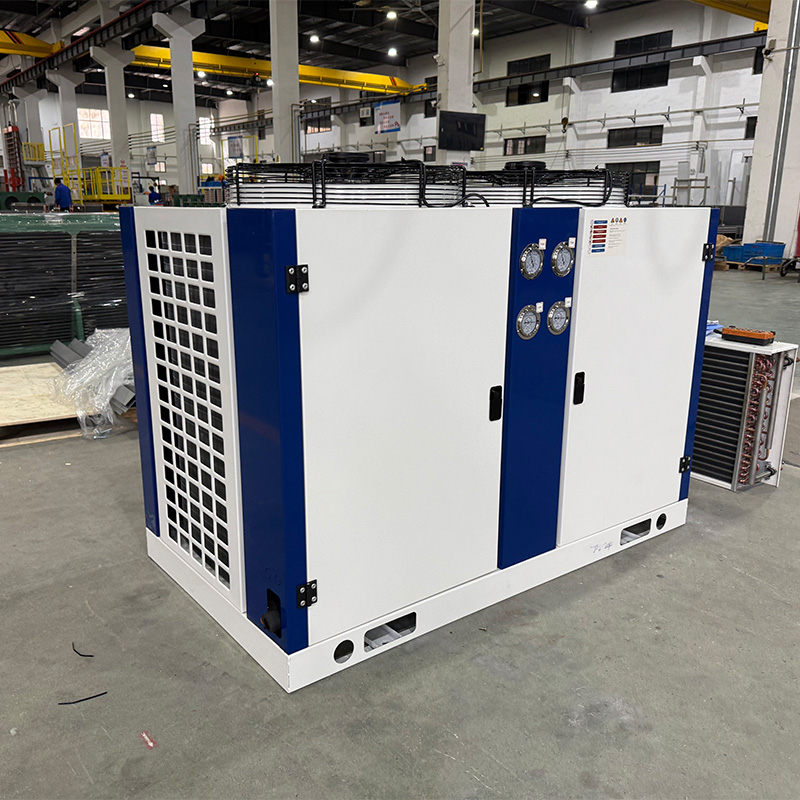
Size and Configuration: Ensure the unit's dimensions fit your walk-in cooler's design. Also, consider the layout for optimal airflow, which is crucial for even cooling.
Noise Levels: Depending on your business environment, noise may be a concern. Assess the noise levels of various models, as some units are designed to operate more quietly than others.
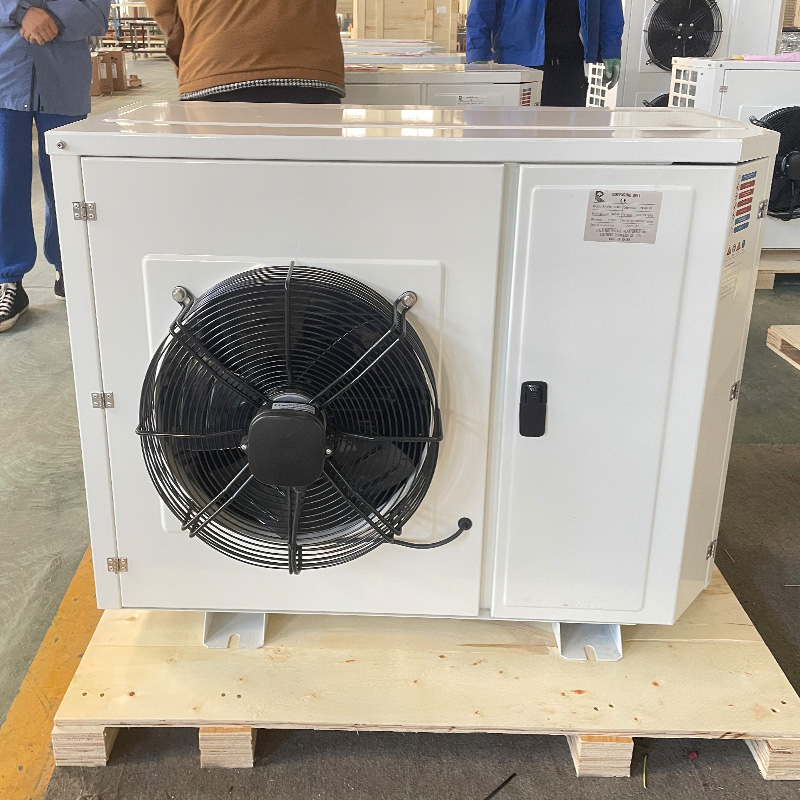
Durability and Build Quality: Look for robust construction materials that can withstand the demands of your specific application, especially in harsher environments. For instance, many units incorporate compressors designed for longevity and performance.
When preparing to purchase a walk-in cooler condensing unit, follow this buyer’s guide:
Define Your Requirements: Before reaching out to suppliers, clearly outline your cooling needs, including temperature ranges, space dimensions, and any specific operational requirements.
Request Quotes: Provide potential suppliers with detailed specifications, including model type, size, required performance, and any customization needs. This will help them give accurate quotes.
Evaluate Suppliers: Research potential suppliers' reputations, production capabilities, and experience in the industry. Look for certifications and quality assurance processes that reflect their commitment to performance.
Review Samples: If possible, request samples or demonstrations of the condensing units. This allows you to assess performance under real operational conditions. Additionally, consider asking about refrigeration accessories that can enhance system performance.
Check After-Sales Support: Ensure that suppliers offer adequate support, including warranty terms, maintenance services, and availability of replacement parts.
Finding trustworthy suppliers for walk-in cooler condensing units involves several strategies:
Industry Associations: Engage with industry associations that can provide recommendations or directories of reputable manufacturers and suppliers.
Trade Shows and Expos: Attend relevant trade shows where manufacturers showcase their products. This allows for direct interaction and a better understanding of product offerings.
Online Marketplaces: Use B2B marketplaces to compare suppliers, read reviews, and explore product specifications. Look for those with a proven track record in the refrigeration industry.
Networking: Leverage connections within your industry to gather recommendations for suppliers who have met the needs of other businesses.
Local Distributors: Consider local distributors who may offer faster shipping times and easier access to customer support.
When comparing walk-in cooler condensing units, consider the following aspects:
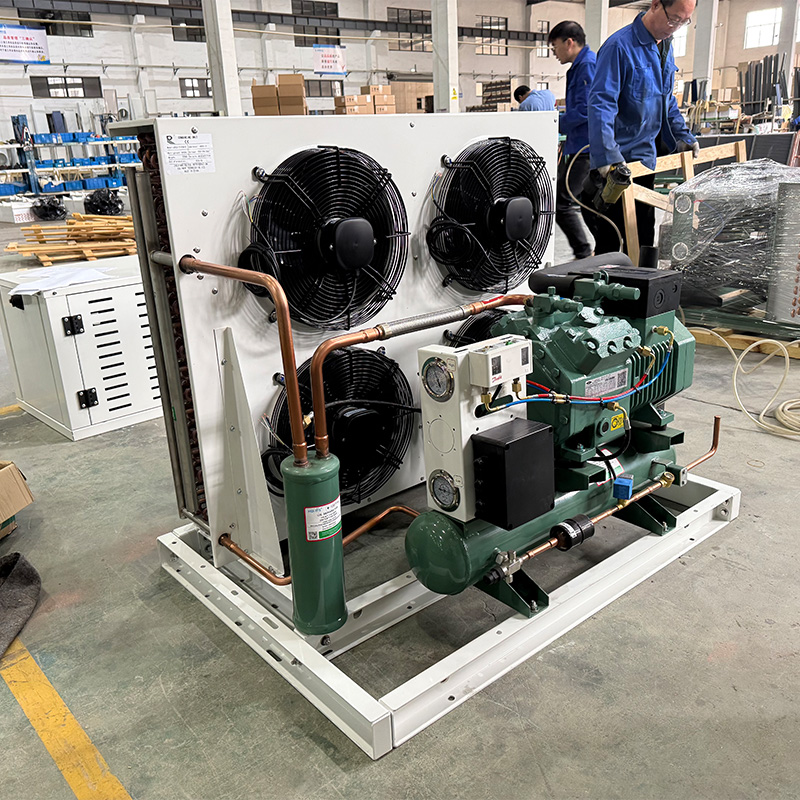
Technical Specifications: Review technical specifications such as cooling capacity, dimensions, and energy consumption. Create a comparison chart to visualize differences between models.
Cost Analysis: While initial purchase price is important, consider total cost of ownership, which includes energy consumption, maintenance, and potential repair costs.
Warranty and Support: Assess the warranty terms offered by different manufacturers. A robust warranty may indicate confidence in the product's durability and performance.
Customization Options: Check if suppliers offer customization options to fit specific business needs, such as controller types, heat reclaim options, or special mounts.
Client Testimonials and Case Studies: Seek out testimonials or case studies from other businesses that have used the units you are considering. This provides insight into real-world performance and reliability.
Special docking is offered for a complete service. This includes the design of Coldrooms, production installation, landing projects, and after-sales support.
EMTH EMTH has a solid track record in the field, with over 3,000+ happy customers.
More than 20 years of of experience and a professional R&D EMTH staff.
A modern plant of over 4000 square meters is in operation to meet the majority Ice maker for commercial production requirements.

Welcome to EMTH, a cold storage refrigeration equipment specialist in China! We offer innovative and effective cold storage solutions, including cold storage, evaporator, condensing unit and ice machine.
Room 304-305B, Building 5, BESHINE B.P, No. 559Zhuyuan Road, Minhang District 201112, Shanghai, China
Copyright © Shanghai EMTH Import & Export Co., Ltd. All Rights Reserved. - Privacy Policy
 EN
 AR
 BG
 HR
 CS
 DA
 NL
 FI
 FR
 DE
 EL
 IT
 JA
 KO
 NO
 PL
 PT
 RO
 RU
 ES
 TL
 IW
 ID
 LT
 SR
 VI
 HU
 TH
 MS
 AZ
 JW
 LO
 MN
 SO
 MY
 KK
 TG
 UZ
 GD
 XH