Refrigeration units are essential components in various industries, providing the necessary cooling systems to preserve perishable goods and maintain optimal temperature conditions. B2B buyers, such as purchasing managers and engineers, often face challenges in selecting the right refrigeration unit due to a myriad of specifications, quality indicators, and cost considerations. This article will delve into how to compare refrigeration unit specifications, evaluate quality factors, assess cost implications, explore industry applications, and offer expert tips for sourcing high-quality refrigeration units.
When comparing refrigeration units, several key specifications come into play. The primary factors include cooling capacity, energy efficiency, and dimensions.
Cooling Capacity: Measured in BTUs (British Thermal Units) or kW, this indicates the amount of heat the unit can remove from a space or product per hour. Choosing a unit with inadequate cooling capacity can lead to inefficient cooling and spoilage of stored goods. Buyers should evaluate their specific cooling requirements based on the volume of goods and the ambient temperature conditions.
Energy Efficiency: Look for units with high Energy Efficiency Ratio (EER) or Seasonal Energy Efficiency Ratio (SEER) ratings. Higher efficiency ratings translate to lower operational costs over time. In a bulk order, energy efficiency can significantly impact the total cost of ownership.
Dimensions and Design: The physical dimensions of the refrigeration unit must fit the intended installation space. Also, consider the design features such as the arrangement of evaporators and condensers, which can affect airflow and cooling performance. Buyers should request detailed product specifications and performance data from suppliers to ensure that the selected refrigeration unit meets their specific operational needs. Additionally, components like the Compressor play a vital role in overall performance.
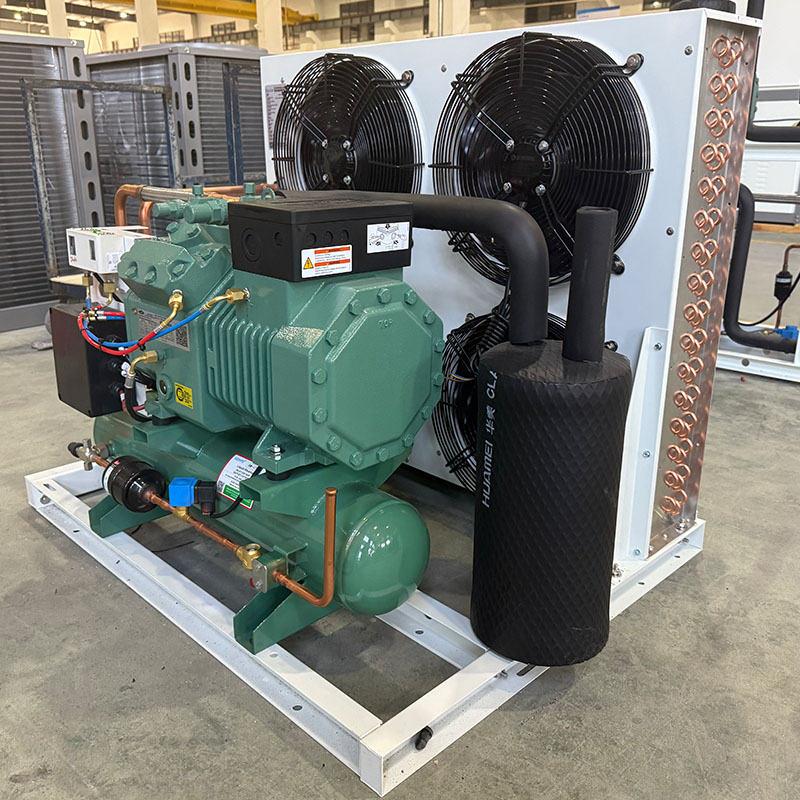
Quality evaluation is crucial when purchasing refrigeration units, especially in bulk. Here are essential factors to consider:
Materials and Construction: The materials used in the construction of the refrigeration unit influence durability and performance. Stainless steel and high-grade aluminum are common choices for their resistance to corrosion and ability to withstand varying temperatures. Buyers should inquire about the materials used in critical components such as Refrigeration Accessories, coils, and casings.
Certifications and Standards: Ensure that the refrigeration units comply with relevant industry standards and certifications, such as CE, UL, or ISO. These certifications indicate that the products have undergone rigorous testing and meet safety and performance criteria.
Quality Control Processes: Understanding the manufacturer's quality assurance procedures can provide insights into the reliability of the units. Inquire about the testing methods used and whether there are any quality guarantees in place. Regular inspections during the manufacturing process can help identify defects early and ensure consistent product quality.
Customization Options: For bulk purchases, the ability to customize specifications can be a significant advantage. Discuss with your supplier the possibility of tailoring units to meet specific requirements, such as varying cooling capacities or integrated monitoring systems.
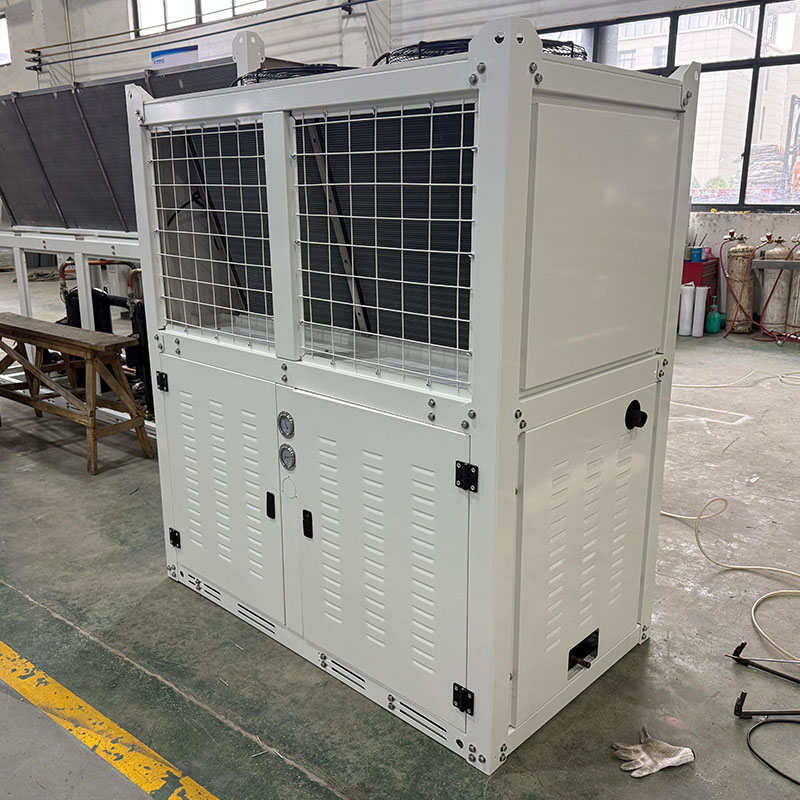
Cost assessment for refrigeration units involves more than just the initial purchase price. Here are some key factors to consider:
Total Cost of Ownership: This includes not only the purchase price but also installation, maintenance, and operational costs. Energy-efficient units may have a higher upfront cost but can lead to substantial savings over time due to reduced energy consumption.
Minimum Order Quantity (MOQ): Suppliers often have MOQs for bulk orders, which can affect pricing. Understanding the MOQ can help buyers budget appropriately and determine whether they can meet the supplier's requirements.
Lead Times: The production lead time can vary significantly among suppliers. Longer lead times can impact project schedules, so it’s vital to clarify these timelines before committing to an order.
Shipping and Packaging Costs: Factor in shipping costs, which can vary based on the delivery location and the size of the order. Additionally, inquire about the packaging methods used, as proper packaging is essential to prevent damage during transit.
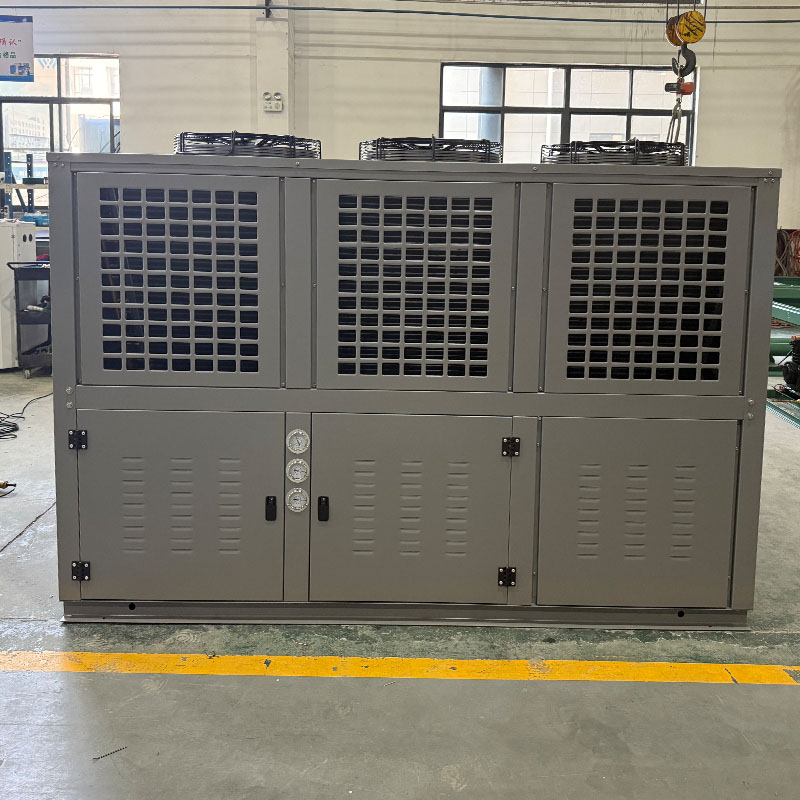
Refrigeration units serve critical functions across a diverse range of industries. Here’s how they are applied:
Food and Beverage Industry: Refrigeration units are essential for preserving perishable food items, be it in supermarkets, restaurants, or distribution centers. Proper temperature control helps maintain product freshness and extends shelf life.
Pharmaceuticals: In the pharmaceutical sector, refrigeration units are used to store vaccines and other temperature-sensitive medications. Compliance with strict regulatory standards is crucial, making reliable and precise temperature control a top priority.
Chemical Processing: Various chemicals require specific temperature ranges to ensure stability and efficacy. Refrigeration units in chemical processing plants help maintain these conditions, preventing degradation of the products.
Industrial Applications: In manufacturing, refrigeration units are often used in processes such as cooling machinery or controlling temperature in production environments. This helps to ensure product quality and operational efficiency.
Understanding the specific requirements of each application will help buyers select the most suitable refrigeration units for their needs.
With a good name in the industry, with over 3,000+ clients serviced, EMTH EMTH is a trustworthy established supplier that is praised by its clients.
Special docking is offered for a complete service. This includes the design of Commercial ice maker, production installation, landing projects, and after-sales support.
More than 20 years of of experience and a professional R&D EMTH staff.
A modern factory space that covers more than 40000 square meters, it is able to meet the vast majority of the EMTH production requirements.

Welcome to EMTH, a cold storage refrigeration equipment specialist in China! We offer innovative and effective cold storage solutions, including cold storage, evaporator, condensing unit and ice machine.
Room 304-305B, Building 5, BESHINE B.P, No. 559Zhuyuan Road, Minhang District 201112, Shanghai, China
Copyright © Shanghai EMTH Import & Export Co., Ltd. All Rights Reserved. - Privacy Policy
 EN
 AR
 BG
 HR
 CS
 DA
 NL
 FI
 FR
 DE
 EL
 IT
 JA
 KO
 NO
 PL
 PT
 RO
 RU
 ES
 TL
 IW
 ID
 LT
 SR
 VI
 HU
 TH
 MS
 AZ
 JW
 LO
 MN
 SO
 MY
 KK
 TG
 UZ
 GD
 XH