Refrigeration systems for cold rooms are essential components in various industries, ensuring products remain at optimal temperatures for preservation and safety. For B2B buyers, understanding the specifications, quality, and installation requirements of these systems is crucial for making informed purchasing decisions. This article will explore how to choose the right refrigeration system, evaluate its quality, navigate bulk purchasing, understand installation needs, and determine key factors to consider in cold room design.
Selecting the right refrigeration system for your cold room involves several key considerations. First, define the temperature range required for your specific application, as this will determine the type of system needed. For instance, a standard refrigeration system may suffice for short-term storage, while a low-temperature unit might be necessary for long-term storage of sensitive products like pharmaceuticals or certain food items.
Next, consider the size and layout of your cold room. The cooling capacity of the refrigeration unit must align with the room's dimensions to maintain consistent temperatures. Assess the heat load generated by products and equipment within the room, as this will influence the system's capacity requirements. Additionally, ensure that the system you choose is compatible with the insulation used in the cold room, as poor insulation can lead to inefficiencies and increased energy costs.
Lastly, evaluate the energy efficiency of the refrigeration system. Modern systems often come with energy-efficient components that can reduce operational costs over time. Look for units with energy-saving certifications and features such as variable speed compressors, which adjust output based on the cooling demand. Incorporating advanced components, such as an Electronic Expansion Valve, can further enhance the system's performance.
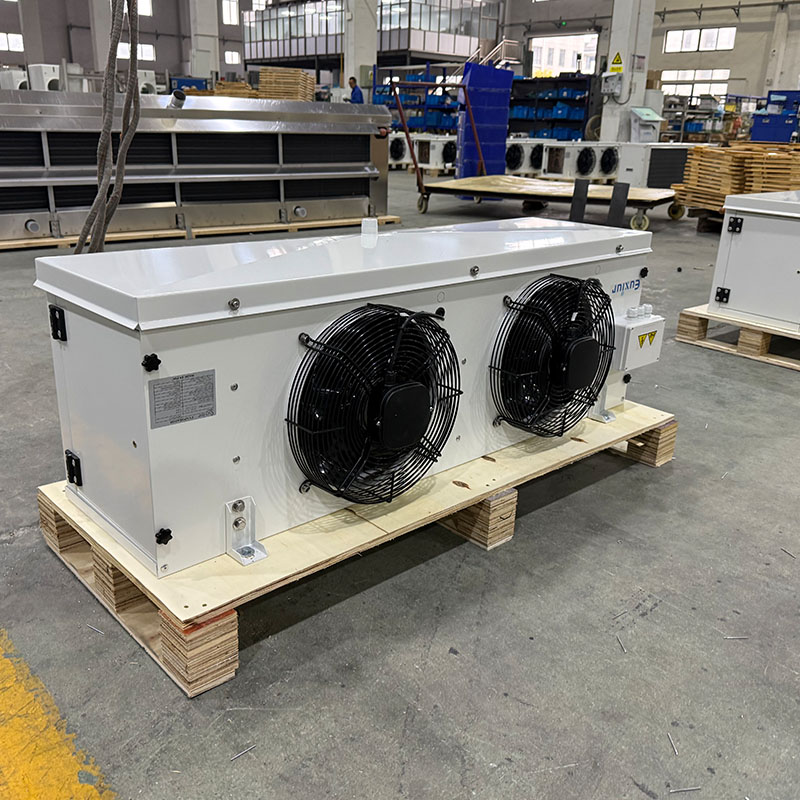
Quality is paramount when assessing refrigeration systems for cold rooms. Start by examining the materials used in the unit's construction. High-quality materials, such as corrosion-resistant metals and durable insulation, contribute to the longevity and efficiency of the system. Additionally, consider the manufacturer’s reputation in the industry; a company with a solid track record, like Shanghai EMTH, which boasts over 20 years of experience and 20 patents, is likely to produce reliable products.
It’s also essential to inspect the performance specifications of the refrigeration system. Key parameters include cooling capacity (measured in BTUs or kW), energy consumption, and temperature stability. Ensure the system meets or exceeds industry standards for performance and efficiency.
Quality control processes during manufacturing play a significant role in the reliability of refrigeration systems. Inquire about the manufacturer's production capabilities, testing procedures, and certifications. A rigorous quality assurance process can help mitigate risks associated with system failures and ensure that the unit operates as intended.
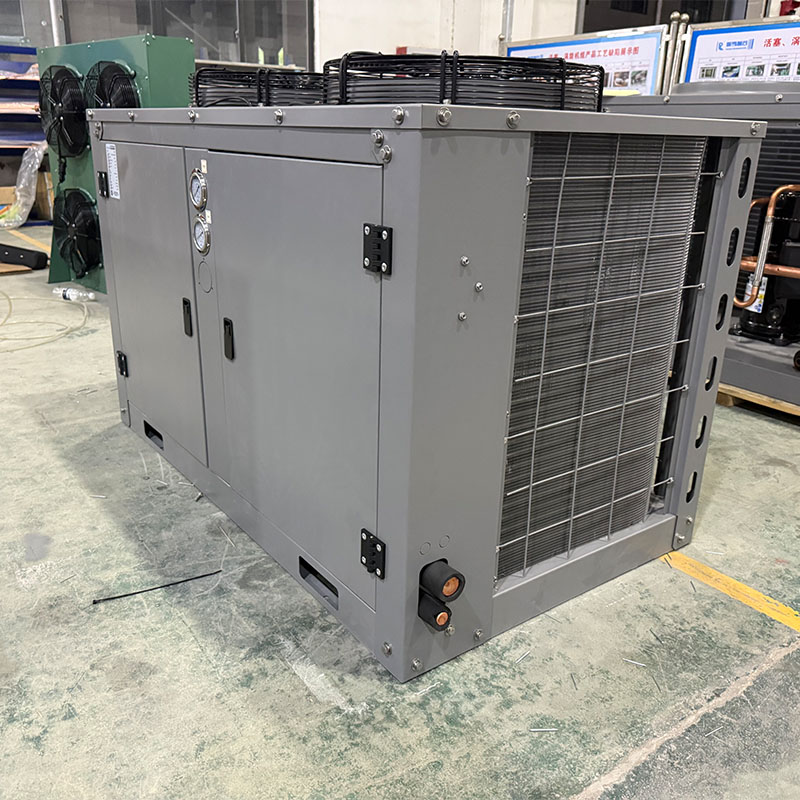
When purchasing refrigeration systems in bulk, a structured approach can lead to better pricing and more favorable terms. Start by determining your specific requirements, including the quantity of units, specific models, and any necessary customizations. Providing detailed information will help suppliers offer accurate quotes.
Next, compare multiple suppliers to assess pricing and terms. Look beyond the initial cost—consider factors such as warranty, after-sales support, and lead times. A lower upfront price may not translate to overall savings if the supplier has longer delivery times or limited support options.
It’s also advisable to ask for samples or prototypes of the refrigeration systems. Evaluating a unit before placing a bulk order can help ensure it meets your quality and performance expectations. Furthermore, verify minimum order quantities (MOQs) and payment terms with each supplier to align with your purchasing strategy.
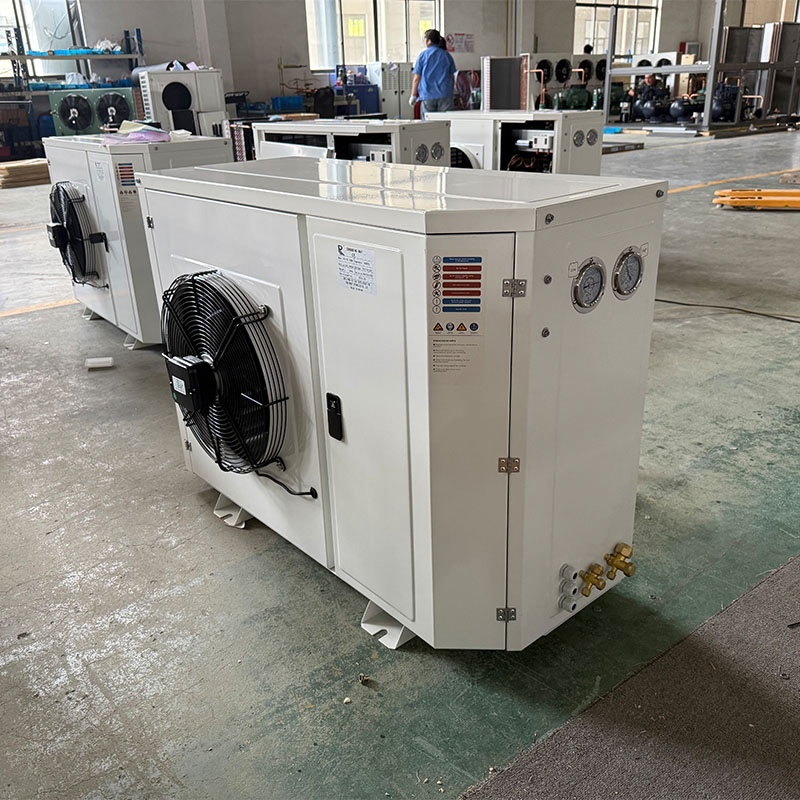
Proper installation is critical to the performance of refrigeration systems in cold rooms. Begin by reviewing the manufacturer's installation guidelines, which will detail the necessary site preparations, equipment requirements, and safety protocols.
Ensure that the installation area is adequately prepared. This includes ensuring proper space for airflow around the unit and confirming that electrical and plumbing connections meet the system’s specifications. Pay attention to the ambient temperature of the installation site, as extreme conditions can affect system performance.
Installation often requires skilled technicians familiar with refrigeration systems. Consider hiring professionals with experience in cold room installations to avoid common pitfalls that may arise from improper setup. Additionally, after installation, conduct thorough testing to confirm that the system operates as intended and meets the required temperature specifications.
A modern factory space that covers more than 40000 square meters, it is able to meet the vast majority of the EMTH production requirements.
Special docking is offered for a complete service. This includes the design of Commercial ice maker, production installation, landing projects, and after-sales support.
More than 20 years of' experience and an experienced EMTH R&D staff.
EMTH EMTH has a track record in the field with over 3,000+ happy customers.

Welcome to EMTH, a cold storage refrigeration equipment specialist in China! We offer innovative and effective cold storage solutions, including cold storage, evaporator, condensing unit and ice machine.
Room 304-305B, Building 5, BESHINE B.P, No. 559Zhuyuan Road, Minhang District 201112, Shanghai, China
Copyright © Shanghai EMTH Import & Export Co., Ltd. All Rights Reserved. - Privacy Policy
 EN
 AR
 BG
 HR
 CS
 DA
 NL
 FI
 FR
 DE
 EL
 IT
 JA
 KO
 NO
 PL
 PT
 RO
 RU
 ES
 TL
 IW
 ID
 LT
 SR
 VI
 HU
 TH
 MS
 AZ
 JW
 LO
 MN
 SO
 MY
 KK
 TG
 UZ
 GD
 XH