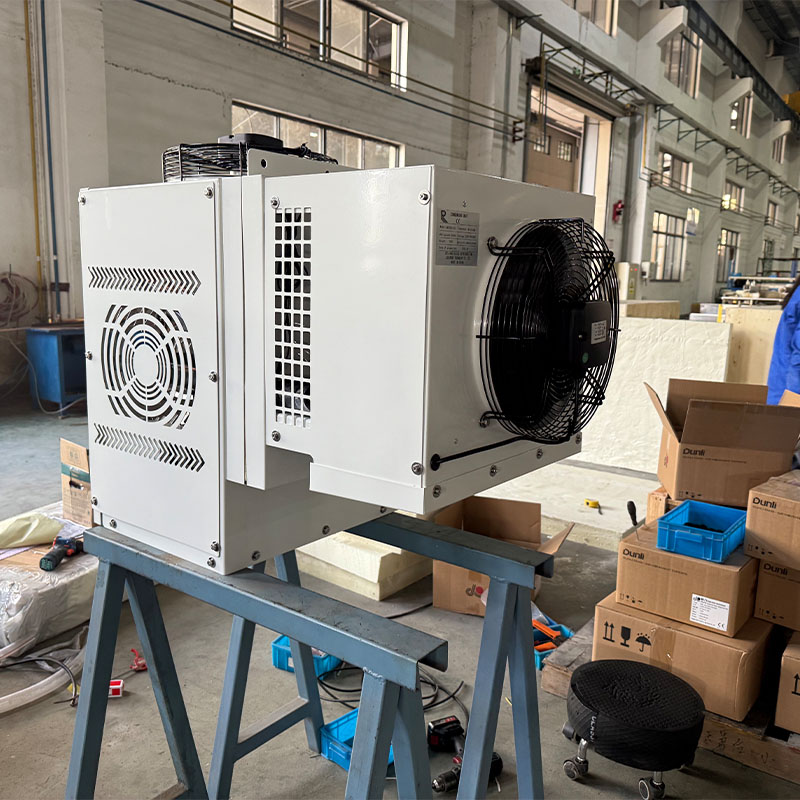
Monoblock units are integral components in refrigeration systems, designed to provide an efficient, compact cooling solution for various applications. As a B2B buyer, understanding the specifications, costs, installation challenges, and applications of monoblock units is crucial to making informed purchasing decisions. This article aims to provide insights into these areas, helping you navigate the complexities of sourcing quality monoblock units for your business needs.
When evaluating monoblock units, several key specifications should be prioritized to ensure optimal performance:
Cooling Capacity: This is typically measured in BTUs or kilowatts and should align with your specific cooling requirements. An undersized unit will struggle to maintain desired temperatures, while an oversized unit can lead to inefficiencies and higher energy costs.
Energy Efficiency: Look for units with high energy efficiency ratings (EER or SEER). A more efficient unit may have a higher upfront cost but will typically result in lower operational expenses over time.
Dimensions: The physical size of the monoblock unit is critical, especially if space is limited. Be sure to confirm that the unit fits your designated area without compromising airflow or accessibility for maintenance.
Materials and Construction: The casing materials can affect durability and insulation properties. Units made from corrosion-resistant materials can have longer lifespans, particularly in humid or salty environments. Additionally, using quality Refrigeration Accessories can enhance the overall performance of your monoblock unit.
Operating Temperature Range: Ensure that the unit is rated for the ambient conditions it will face in your application. Units with a wider operating temperature range offer more flexibility in various environments.
Noise Levels: If the unit will be installed in a noise-sensitive area, consider the decibel level during operation. Some models are designed for quieter operation, which can be a significant advantage in commercial settings.
Certifications: Check for relevant industry certifications that indicate compliance with safety and environmental standards, such as CE or UL listings, to ensure product reliability.
When planning to order monoblock units in bulk, several cost factors should be analyzed to optimize your budget:
Unit Price: Bulk orders often come with discounts, but it’s essential to understand the base price before negotiating. Compare prices from multiple suppliers to gauge market rates.
Shipping and Handling: Consider the costs associated with transporting the units, especially if they are being shipped internationally. This can include freight charges, customs duties, and insurance.
Installation Costs: Factor in the costs for installation labor. Some suppliers may offer installation services, which can save time but may also increase overall costs.
Warranty and Service Agreements: Assess the warranty terms and availability of service agreements. A longer warranty or robust service package may come at a higher initial cost but can save on repairs and replacements in the long run.
Energy Consumption: Evaluate the expected energy costs based on the unit’s efficiency rating. Over time, more efficient units can significantly reduce operational costs.
Financing Options: Some suppliers may provide financing options that could ease upfront costs. Understand the terms and interest rates involved before committing.
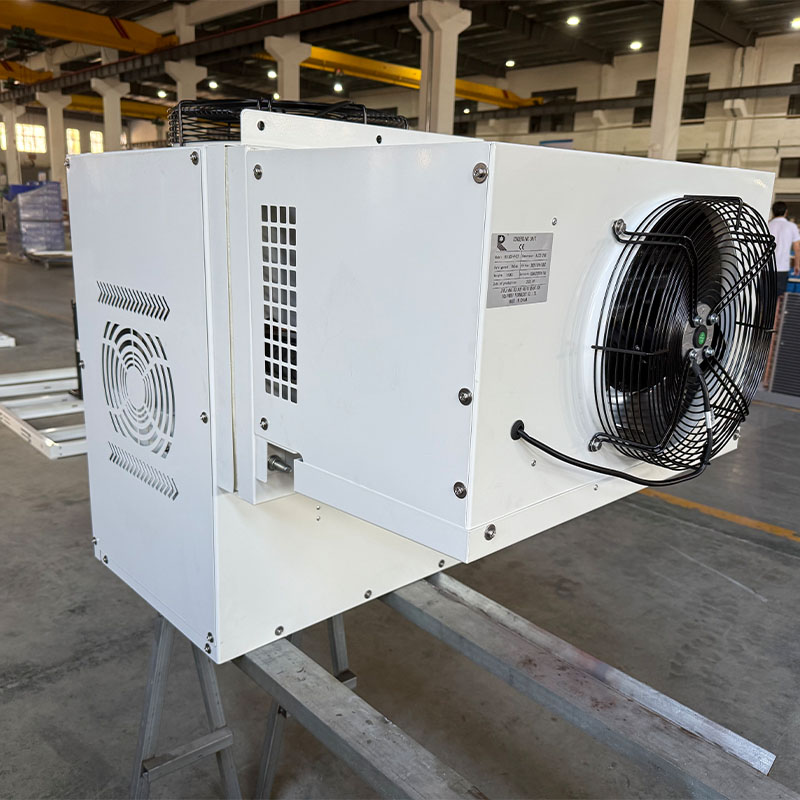
Installing monoblock units can present several challenges. Here’s how to navigate them effectively:
Space Constraints: Ensure that there’s enough clearance around the unit for proper airflow and maintenance access. If space is tight, consider models specifically designed for compact installations.
Electrical Requirements: Verify that the electrical supply meets the unit's voltage and amperage requirements. An electrician can assist in upgrading the electrical system if necessary.
Condensate Drainage: Proper drainage is crucial to prevent water accumulation. Assess the placement of the unit to ensure that there’s a reliable drainage path, which may involve installing additional plumbing.
Vibration and Noise Management: Units can generate vibration and noise during operation. Using vibration dampers or installing the unit on a resilient base can minimize these issues.
System Integration: If the monoblock unit is part of a larger refrigeration system, ensure compatibility with existing equipment. Consulting with your supplier or a refrigeration engineer can help identify potential integration issues.
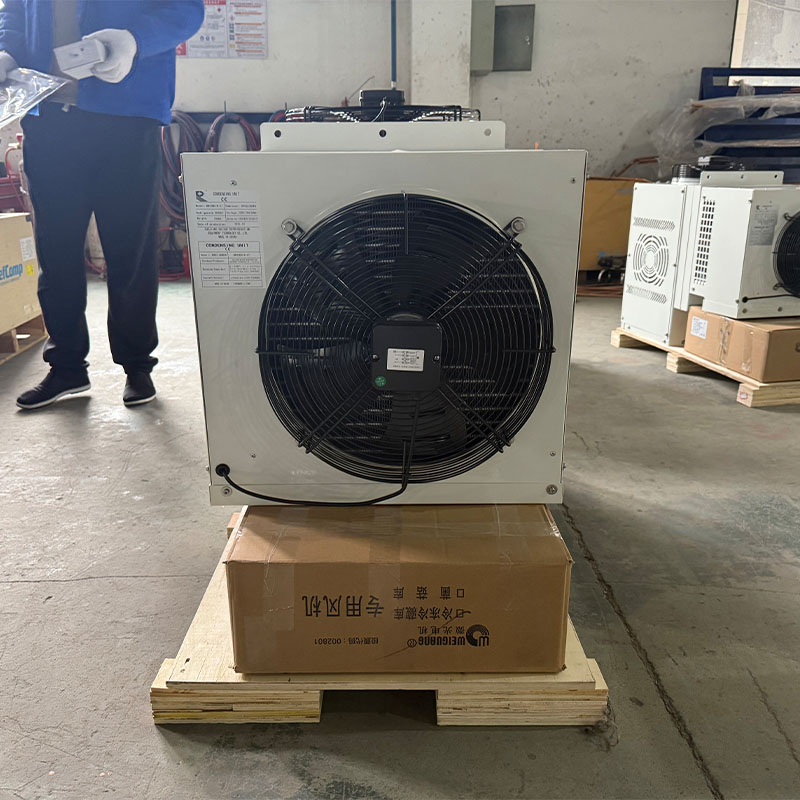
Finding a trustworthy supplier for monoblock units involves several steps:
Industry Research: Start by researching manufacturers with a strong reputation in the refrigeration equipment sector. Look for companies with extensive experience and a solid patent portfolio, like Shanghai EMTH, which specializes in high-quality refrigeration solutions.
Trade Shows and Expos: Attending industry trade shows provides direct access to manufacturers and their offerings. Such events allow you to see products firsthand and engage with company representatives.
Online Marketplaces: Websites like Alibaba or ThomasNet can connect you with various suppliers. However, ensure to verify their credibility through reviews and ratings.
Local Distributors: Partnering with local distributors can simplify logistics, as they often have established relationships with manufacturers and can provide valuable insights into product suitability.
Networking: Leverage industry contacts and professional networks to gather recommendations for reliable suppliers. Personal referrals often lead to trustworthy partnerships.
With a good name in the industry, with over 3,000+ clients serviced, EMTH EMTH is a trustworthy established supplier that is praised by its clients.
Special docking is available for a complete system of service. It includes creation of plans, Axial fans, landing plans, and after-sales support.
A modern factory of over 40000 square meters is in place to meet the majority of the EMTH production needs.
More than 20 years of' experience and an experienced EMTH R&D staff.

Welcome to EMTH, a cold storage refrigeration equipment specialist in China! We offer innovative and effective cold storage solutions, including cold storage, evaporator, condensing unit and ice machine.
Room 304-305B, Building 5, BESHINE B.P, No. 559Zhuyuan Road, Minhang District 201112, Shanghai, China
Copyright © Shanghai EMTH Import & Export Co., Ltd. All Rights Reserved. - Privacy Policy
 EN
 AR
 BG
 HR
 CS
 DA
 NL
 FI
 FR
 DE
 EL
 IT
 JA
 KO
 NO
 PL
 PT
 RO
 RU
 ES
 TL
 IW
 ID
 LT
 SR
 VI
 HU
 TH
 MS
 AZ
 JW
 LO
 MN
 SO
 MY
 KK
 TG
 UZ
 GD
 XH