Investing in a freezer room for sale is a critical decision for businesses in various sectors, from food distribution to pharmaceuticals. These specialized cold storage solutions are essential for preserving perishable goods and maintaining quality. Understanding the unique requirements of freezer rooms, including specifications, costs, and potential challenges, can significantly impact purchasing decisions. This article will provide insights into selecting the right freezer room, cost factors for bulk orders, common operational issues, material advantages in construction, and reliable sourcing options.
When selecting a freezer room for your business, it's essential to consider several key factors. First, assess your storage capacity needs. Freezer rooms come in various sizes and layouts, so understanding your inventory levels will help determine the required dimensions. Additionally, consider the temperature range necessary for your specific products, as different applications may require varying degrees of cold.
Next, evaluate the insulation material. High-quality insulation is crucial for energy efficiency and maintaining consistent temperatures. Look for materials that provide excellent thermal resistance to minimize energy costs while ensuring your products remain at the desired temperature. The configuration of the freezer room, including shelving and access points, should also be tailored to your operational workflows for optimal efficiency. Investing in reliable Refrigeration Accessories can further enhance the performance of your freezer room.
Customization options are another critical aspect. Many manufacturers, including Shanghai EMTH, offer tailored solutions to meet specific operational needs, such as different door types or internal layouts. Discussing your requirements with a supplier can lead to a freezer room that better fits your business processes.
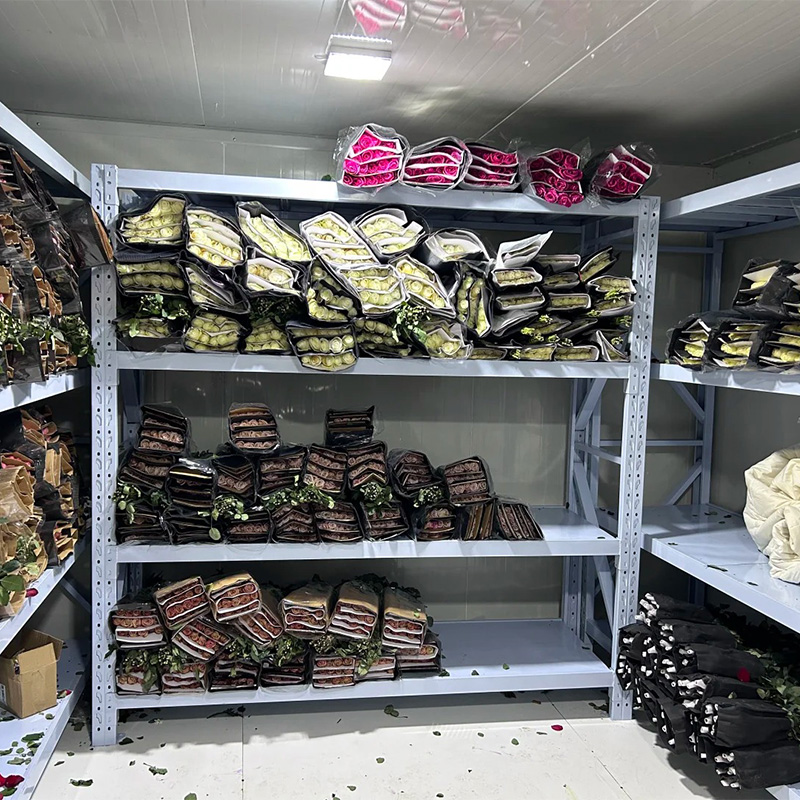
Cost is a primary concern for businesses considering purchasing freezer rooms in bulk. Several factors influence pricing, including size, material quality, and customization options. Typically, larger freezer rooms with specialized features will incur higher costs. Bulk orders often come with price breaks, which can be advantageous for businesses looking to equip multiple locations or expand their operations.
Another cost factor is the choice of insulation materials. While investing in high-quality insulation may raise initial costs, it can lead to significant savings in energy consumption over time, making it a smart long-term investment. When requesting quotations, provide details about your specific needs, such as dimensions, material preferences, and any required certifications, to receive the most accurate pricing.
Additionally, consider the potential hidden costs associated with installation and maintenance. Some suppliers may offer installation services, while others may require you to manage this aspect independently. Understanding these factors upfront can help you budget accordingly and avoid unexpected expenses.
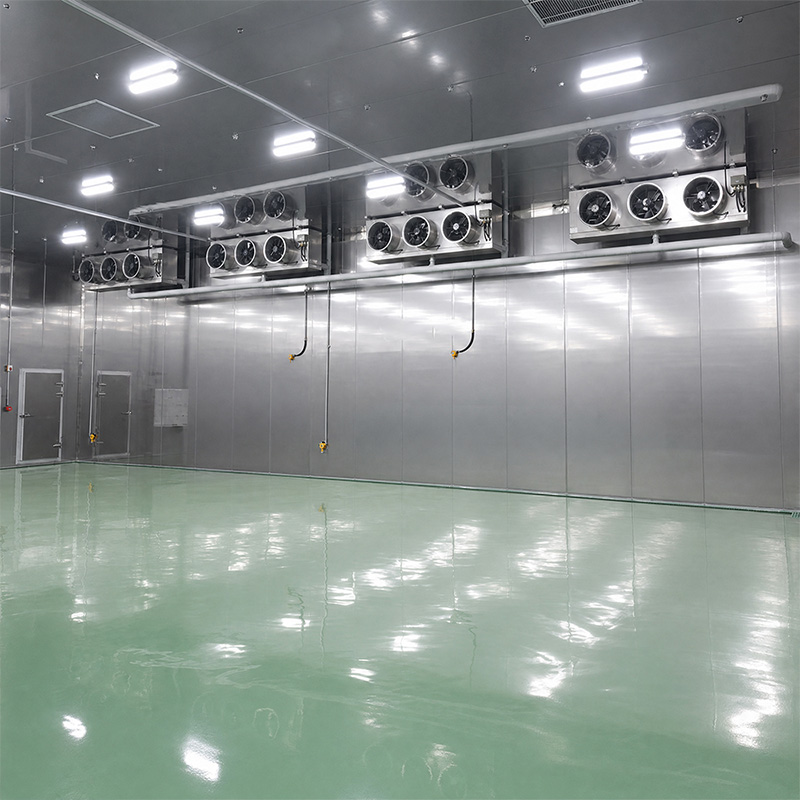
Operating a freezer room can present several challenges. One common issue is temperature fluctuation, which can compromise product quality. This can result from inadequate insulation, improper door seals, or malfunctioning cooling systems. To mitigate these risks, it’s essential to conduct regular maintenance checks and implement a monitoring system that tracks temperature and humidity levels.
Another frequent problem is condensation build-up, which can lead to moisture issues and potential damage to stored items. Ensuring proper ventilation and using dehumidifiers can help manage moisture levels effectively. Additionally, training staff on proper loading and unloading procedures can minimize the risk of temperature changes during operation. Utilizing a reliable Compressor is vital to maintaining the required temperatures in the freezer room.
Unexpected breakdowns can also disrupt operations. Having a reliable maintenance plan in place, including emergency repair services, can help minimize downtime and ensure that your freezer room remains functional when it's needed most.
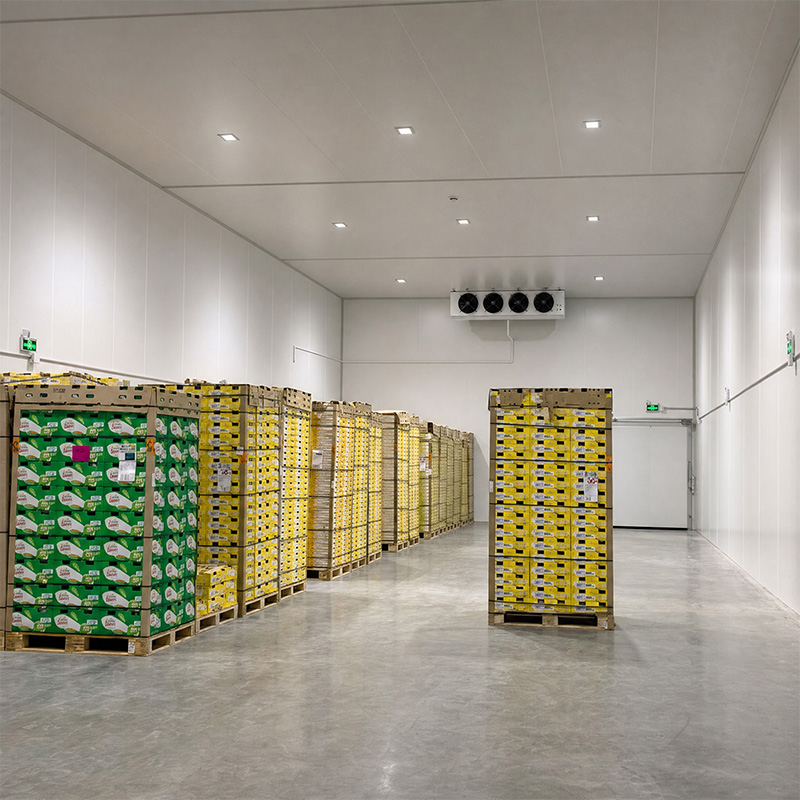
The materials used in freezer room construction play a significant role in performance and durability. Common materials include polyurethane foam, polystyrene, and metal cladding. Polyurethane foam is widely recognized for its superior insulation properties, making it ideal for maintaining low temperatures efficiently. This can be particularly beneficial for businesses with high storage demands, as it helps reduce energy costs.
Metal cladding, on the other hand, offers durability and resistance to external elements, making it suitable for high-traffic areas. The choice of material should align with your operational needs and the environment in which the freezer room will be installed.
Additionally, consider the ease of cleaning and maintenance when selecting materials. Smooth, non-porous surfaces can facilitate hygiene, which is especially critical in food-related industries. Discussing material options with your supplier can ensure you choose the best solution for your specific application.
With a strong reputation in the field and over 3,000+ customers served, EMTH EMTH is a trustworthy known and dependable supplier that has been acknowledged by other clients.
After more than 20 years of expertise, we've got full sales and production and after-sales process with more than 20 patent certificates and a skilled R&D EMTH team.
A modern plant of over 4000 square meters is in operation to meet the majority Ice maker for commercial production requirements.
Special docking is offered to provide a full range of service. This includes the creation of Cuber ice machine, production installations, landing plans, and after-sales support.

Welcome to EMTH, a cold storage refrigeration equipment specialist in China! We offer innovative and effective cold storage solutions, including cold storage, evaporator, condensing unit and ice machine.
Room 304-305B, Building 5, BESHINE B.P, No. 559Zhuyuan Road, Minhang District 201112, Shanghai, China
Copyright © Shanghai EMTH Import & Export Co., Ltd. All Rights Reserved. - Privacy Policy
 EN
 AR
 BG
 HR
 CS
 DA
 NL
 FI
 FR
 DE
 EL
 IT
 JA
 KO
 NO
 PL
 PT
 RO
 RU
 ES
 TL
 IW
 ID
 LT
 SR
 VI
 HU
 TH
 MS
 AZ
 JW
 LO
 MN
 SO
 MY
 KK
 TG
 UZ
 GD
 XH