In the realm of industrial refrigeration, evaporators play a crucial role in the cooling process. An evaporator industrial is a vital component that facilitates the transformation of refrigerants from liquid to vapor, enabling effective heat absorption. For B2B buyers, understanding the specifications, sourcing options, best practices, and potential applications of evaporators is essential. This article will provide insights to help purchasing managers, engineers, and product managers make informed decisions when selecting industrial evaporators for their projects.
When evaluating evaporators, several key specifications must be considered to ensure they meet your operational requirements.
Type of Evaporator: There are various types of evaporators including flooded, dry expansion, and shell-and-tube designs. Each type has unique applications and efficiency levels. For instance, flooded evaporators are often used in large industrial settings for their high efficiency, while dry expansion evaporators are suitable for smaller systems. Understanding the different types of evaporators will help you choose the right one for your needs.
Material Composition: The materials used in evaporator construction, such as copper or aluminum, influence thermal conductivity, corrosion resistance, and durability. Copper is favored for its excellent heat transfer properties, while aluminum is lightweight and often more cost-effective.
Capacity and Size: The cooling capacity, typically measured in tons or kilowatts, should align with the cooling load of your application. Additionally, the physical dimensions must fit within your existing infrastructure without requiring significant modifications.
Operating Pressure and Temperature: Understanding the operating conditions is critical. Evaporators are rated for specific pressure and temperature ranges, and selecting the correct specifications ensures optimal performance and longevity.
Energy Efficiency Ratings: Look for evaporators with high energy efficiency ratings, such as those adhering to specific industry standards. This can lead to significant cost savings over time.
Certification Standards: Ensure that evaporators meet relevant industry certifications, such as ASHRAE or ISO standards, which can be indicative of quality and reliability.
Evaluating these specifications will help streamline the decision-making process for bulk purchases.
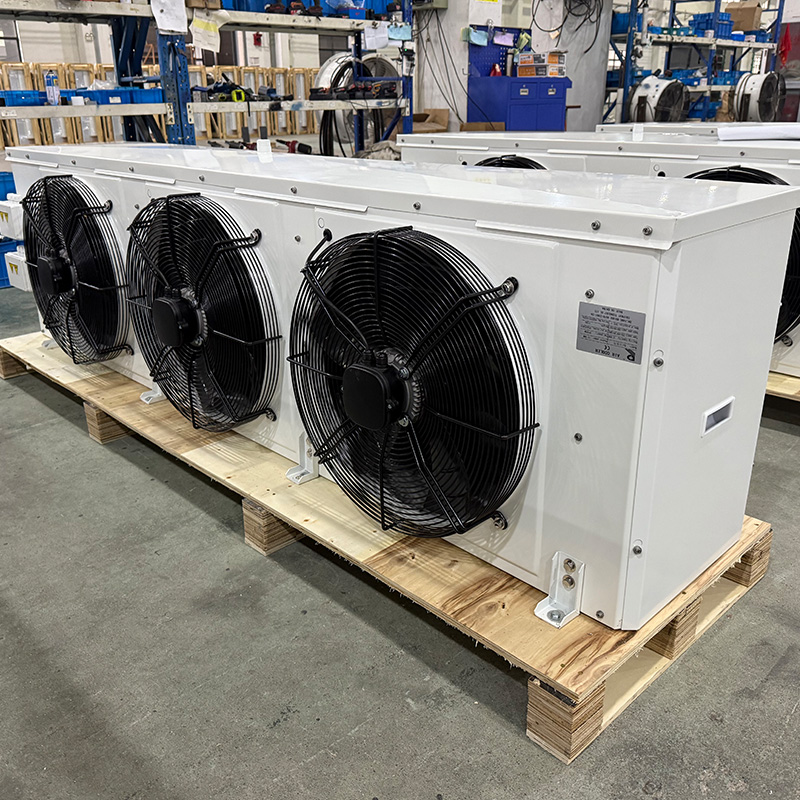
Finding a reliable source for wholesale evaporators involves careful consideration of suppliers. Here are key steps to identify trustworthy manufacturers:
Industry Experience: Choose manufacturers with a solid track record in the refrigeration industry. Companies like Shanghai EMTH, with over 20 years of experience and multiple patents, are often better equipped to meet complex requirements.
Manufacturing Capabilities: Assess the supplier's production capabilities. A modern factory with advanced manufacturing processes can ensure consistent quality and efficiency in production.
Customization Options: Many projects require specific modifications or custom designs. Suppliers like Shanghai EMTH offer customization capabilities to tailor evaporators to your unique specifications, including options for refrigeration accessories to enhance system performance.
Quality Assurance Processes: Verify that the supplier has comprehensive quality control processes in place. This can include rigorous testing and inspection protocols to ensure each unit meets industry standards.
Customer Support and Service: Reliable suppliers should offer robust customer service and support throughout the purchasing process, including pre-sale consultations and after-sales assistance.
Client References and Reviews: Checking references or reviews from other businesses can provide insights into the supplier's reliability and product quality.
By following these steps, you can identify reputable suppliers that align with your project needs.
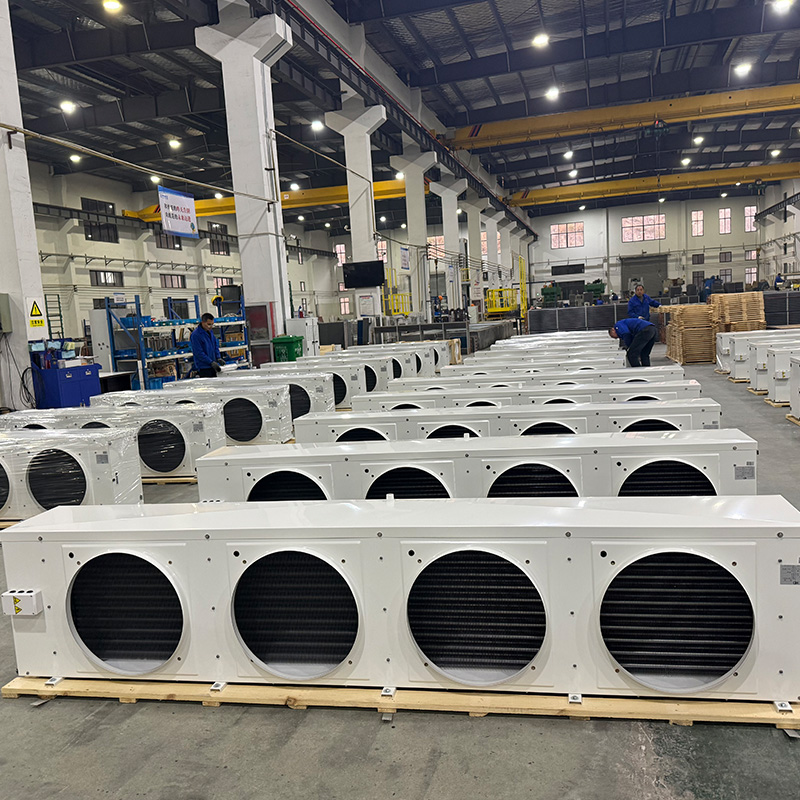
To maximize the benefits of your evaporator systems, consider these best practices during the purchasing and implementation phases:
Sample Approval: Before mass production, request samples to evaluate the evaporator’s performance under actual operating conditions. This helps prevent issues that may arise from discrepancies between specifications and real-world performance.
Installation Considerations: Ensure that your installation team is familiar with the specific requirements of the evaporator type. Proper installation is paramount to achieving optimal efficiency and longevity.
Regular Maintenance: Schedule routine maintenance checks to sustain performance levels and prevent unexpected failures. This includes inspecting refrigerant levels, cleaning coils, and checking for blockages.
Documentation: Maintain thorough documentation of the specifications, installation procedures, and maintenance records. This can be invaluable for troubleshooting and ensuring compliance with industry regulations.
Training Staff: Ensure that all staff involved with the evaporator system are trained on its operation and maintenance. Proper knowledge can significantly enhance performance and reduce potential errors.
Implementing these best practices will help ensure the longevity and efficiency of your evaporator systems.
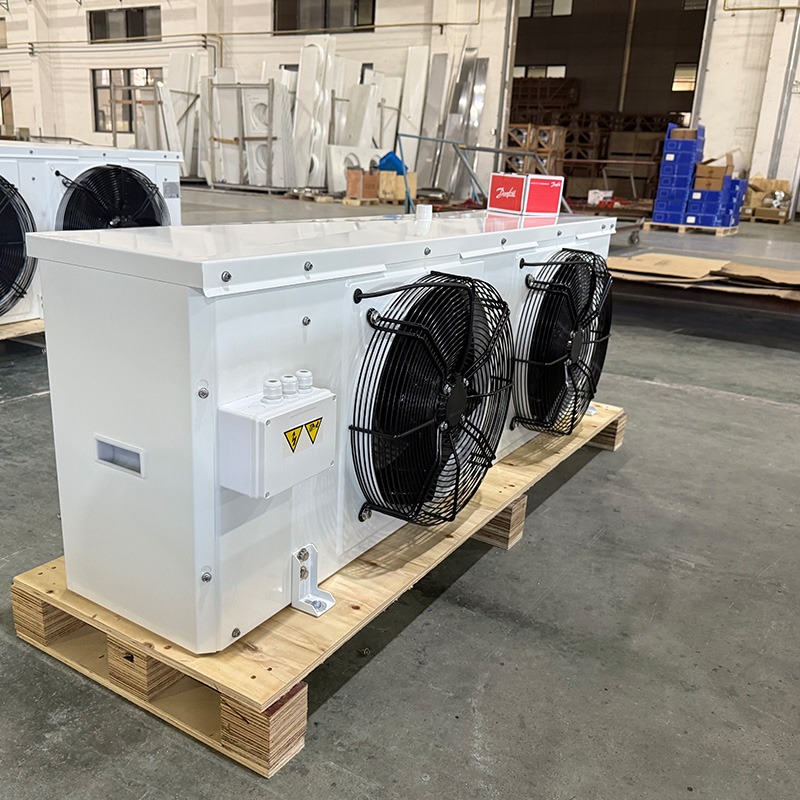
Choosing the right evaporator for your business involves considering specific operational needs and application requirements:
Application Type: Identify the primary application for the evaporator. For instance, food processing facilities may require evaporators that can handle specific temperature controls, while HVAC systems may prioritize energy efficiency.
System Compatibility: Ensure the evaporator is compatible with existing refrigeration systems. This includes evaluating refrigerant types, pressure requirements, and operational controls.
Cooling Load Requirements: Accurately calculate your cooling load to determine the required capacity of the evaporator. Under-sizing or over-sizing can lead to inefficiencies or inadequate cooling.
Future Scalability: Consider the potential for future expansion or increased demand. Opting for a slightly larger capacity may provide flexibility for growth without the need for immediate replacement.
Environmental Considerations: Evaluate the environmental impact of your evaporator choice, including energy consumption and refrigerant type. Selecting eco-friendly options can align with sustainability goals.
By thoroughly assessing these factors, businesses can select an evaporator that meets both current and future needs.
After more than 20 years of expertise, we've got full sales and production and after-sales process with more than 20 patent certificates and a skilled R&D EMTH team.
Complete service program, from formulating of plans, production of Cold room as well as project landing until after-sales service, there are specific docking.
With a strong name in the industry, and over 3,000+ clients served, EMTH EMTH is a trustworthy and reliable supplier who has been recognized by other customers.
A modern factory of over 40000 square meters is in place to satisfy the majority of Condensing units requirements.

Welcome to EMTH, a cold storage refrigeration equipment specialist in China! We offer innovative and effective cold storage solutions, including cold storage, evaporator, condensing unit and ice machine.
Room 304-305B, Building 5, BESHINE B.P, No. 559Zhuyuan Road, Minhang District 201112, Shanghai, China
Copyright © Shanghai EMTH Import & Export Co., Ltd. All Rights Reserved. - Privacy Policy
 EN
 AR
 BG
 HR
 CS
 DA
 NL
 FI
 FR
 DE
 EL
 IT
 JA
 KO
 NO
 PL
 PT
 RO
 RU
 ES
 TL
 IW
 ID
 LT
 SR
 VI
 HU
 TH
 MS
 AZ
 JW
 LO
 MN
 SO
 MY
 KK
 TG
 UZ
 GD
 XH