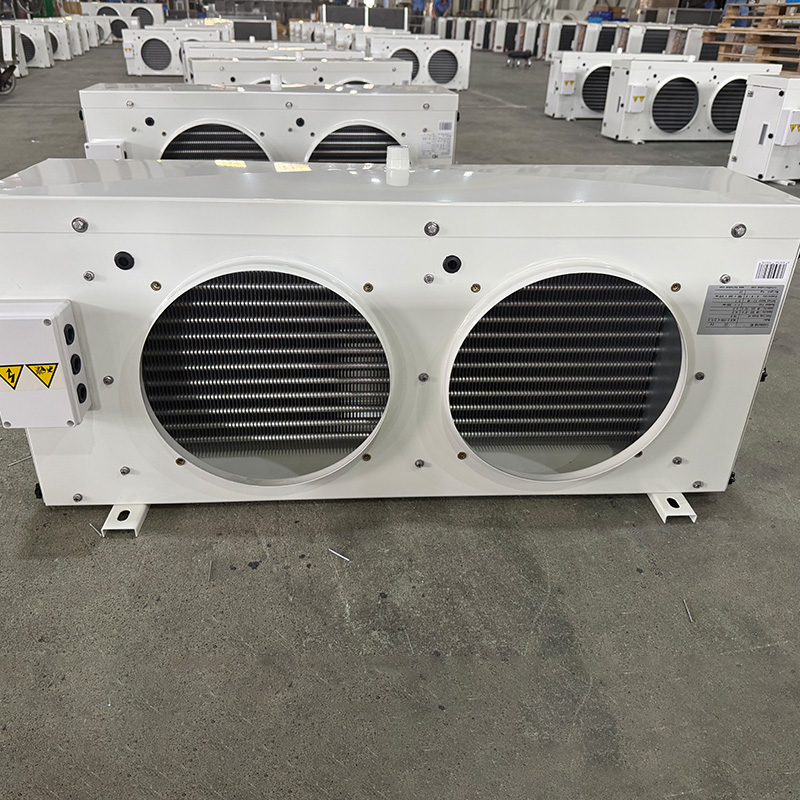
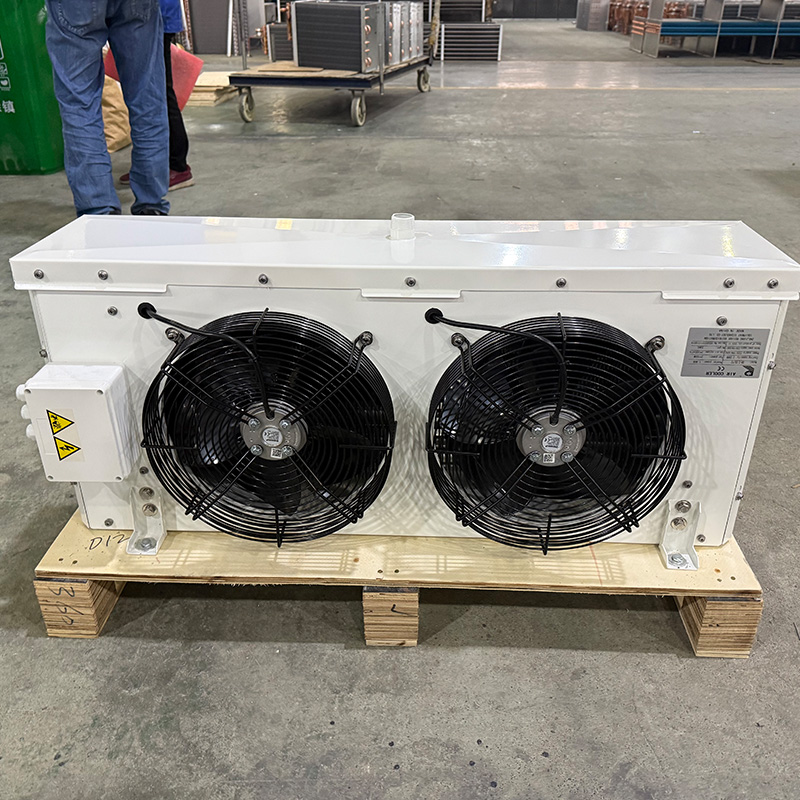
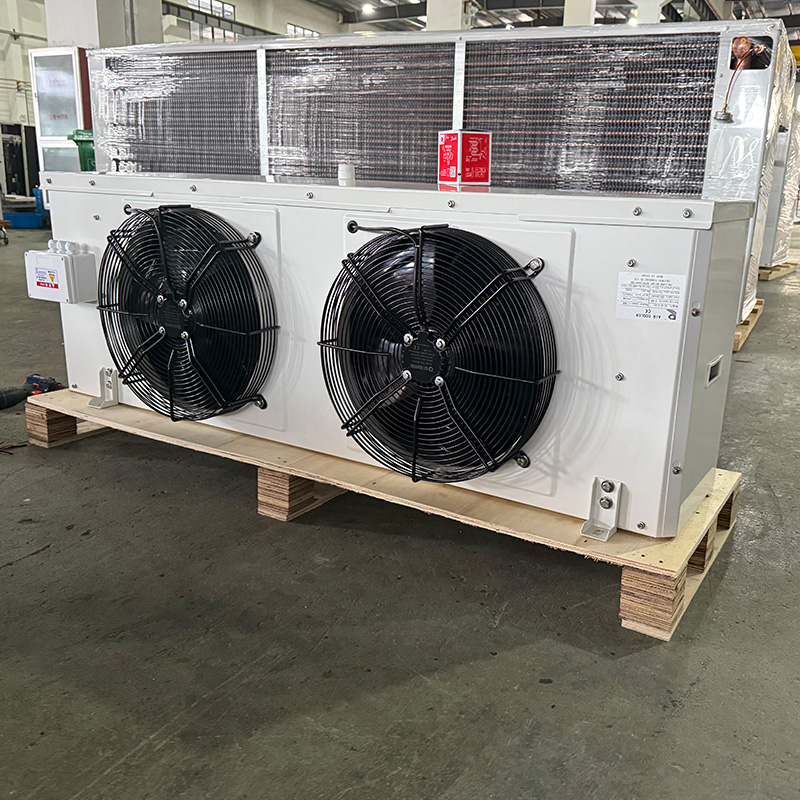
Evaporator freezers are essential pieces of equipment designed to maintain low temperatures, crucial for various industries such as food processing, pharmaceuticals, and cold storage. As a purchasing manager or distributor, understanding the technical specifications, sourcing options, and cost factors associated with evaporator freezers will empower you to make informed decisions. This article outlines key considerations when sourcing these systems, helping you navigate the purchasing process effectively.
When evaluating evaporator freezers, several specifications are crucial for ensuring that the unit meets your operational needs.
Cooling Capacity: This is typically measured in BTUs (British Thermal Units) or kilowatts. Understanding your cooling requirements is essential, as selecting a unit with insufficient capacity can lead to poor performance and spoilage of stored products.
Temperature Range: Different applications require different temperature settings. For example, food storage may need to operate between -18°C to -25°C, while pharmaceuticals might require more stringent conditions. Confirm the required temperature range based on your specific application.
Energy Efficiency: Look for units with high energy efficiency ratings, such as those compliant with Energy Star standards. This not only reduces operational costs but also aligns with sustainability goals.
Material Construction: The materials used in the evaporator freezer affect its durability and resistance to corrosion. Stainless steel is commonly preferred due to its robustness and ease of cleaning, especially in food-related applications.
Defrosting Mechanisms: Options include manual, automatic, or hot gas defrost systems. Automatic systems can reduce labor costs and downtime, making them a favorable choice for many operations. Additionally, consider the H Type Condensing Units that can work well with these mechanisms.
Size and Configuration: Ensure that the dimensions of the evaporator freezer fit your available space. Additionally, consider the configuration—such as upright or horizontal models—based on accessibility and storage needs.
Custom Features: Depending on your specific requirements, customization options such as shelving, door types, and control systems may be necessary. Discuss these with potential suppliers to ensure the unit aligns with your operational workflow.
Finding a trustworthy supplier is critical to ensuring product quality and support. Here are several strategies to identify reliable manufacturers:
Industry Directories: Utilize online industry directories that list manufacturers and suppliers of refrigeration equipment. Look for those with positive reviews and a solid reputation in the industry.
Trade Shows and Exhibitions: Attending industry-specific trade shows gives you firsthand experience of products and direct interaction with manufacturers. This is an excellent opportunity to assess quality and build relationships.
Referrals and Recommendations: Networking with other businesses in your industry can provide valuable insights into suppliers who meet quality and service expectations.
Certifications and Standards: Choose suppliers that comply with international standards, such as ISO certifications or local safety regulations. This compliance often indicates a commitment to quality and reliability.
Supplier Audits: Before making a significant purchase, consider conducting an audit of the supplier’s facilities if possible. This can provide insight into their manufacturing processes and quality control measures.
Understanding the cost factors involved in purchasing evaporator freezers can help you budget effectively and negotiate better deals. Key considerations include:
Base Price: This is the initial price quoted by the supplier. It can vary significantly based on specifications and brand reputation.
Customization Costs: If you require custom features or modifications, be prepared for additional costs. Ensure you communicate these needs clearly during the RFQ process.
Shipping and Handling: Freight costs can add significantly to the total purchase price, especially for international orders. Discuss shipping options and costs upfront to avoid surprises.
Taxes and Duties: Depending on your location and the supplier's origin, you may incur additional taxes or import duties. Verify these with your financial department to ensure accurate budgeting.
Warranty and Maintenance Plans: Consider the long-term costs associated with warranties and maintenance services. A unit with a longer warranty may have a higher upfront cost but can save you money in repairs over time. Additionally, explore options for Refrigerator spare parts compressors to ensure your unit remains in top condition.
Volume Discounts: If you are purchasing multiple units, inquire about bulk pricing or discounts. Many suppliers are willing to negotiate prices based on order volume.
Before finalizing your purchase of an evaporator freezer, there are several critical factors to verify:
Specifications Confirmation: Double-check that all specifications align with your operational needs. Any discrepancies can lead to performance issues.
Sample Approval: Whenever possible, request a sample or prototype before mass production. This allows you to evaluate the product’s performance under real-world conditions.
Delivery Timeline: Confirm lead times for delivery and ensure they align with your operational schedules. Delays can disrupt your workflow and impact your business.
Installation Requirements: Understand the installation process, including any special equipment or expertise needed. This can affect your project timeline and overall costs.
Quality Assurance: Inquire about the supplier's quality control processes. Reliable suppliers should have rigorous testing procedures to ensure product reliability and performance.
After-Sales Support: Evaluate the supplier’s customer service and support capabilities. Quick and reliable support can be crucial in resolving any issues that arise post-purchase.
We have more than 20 years of experience and a highly skilled R&D EMTH staff.
With a good reputation in the industry and more than 3,000 clients who have been served, Condensing unit is a trustworthy established supplier that has been recognized by other customers.
Special docking is available for a complete system of service. It includes creation of plans, Axial fans, landing plans, and after-sales support.
A modern factory of over 40000 square meters is in place to satisfy the majority of Condensing units requirements.

Welcome to EMTH, a cold storage refrigeration equipment specialist in China! We offer innovative and effective cold storage solutions, including cold storage, evaporator, condensing unit and ice machine.
Room 304-305B, Building 5, BESHINE B.P, No. 559Zhuyuan Road, Minhang District 201112, Shanghai, China
Copyright © Shanghai EMTH Import & Export Co., Ltd. All Rights Reserved. - Privacy Policy
 EN
 AR
 BG
 HR
 CS
 DA
 NL
 FI
 FR
 DE
 EL
 IT
 JA
 KO
 NO
 PL
 PT
 RO
 RU
 ES
 TL
 IW
 ID
 LT
 SR
 VI
 HU
 TH
 MS
 AZ
 JW
 LO
 MN
 SO
 MY
 KK
 TG
 UZ
 GD
 XH