Evaporative condensing units are crucial components in many industrial refrigeration systems, offering energy-efficient cooling solutions. For B2B buyers, understanding the specifications, supplier evaluations, cost factors, installation challenges, and material advantages is essential for making informed purchasing decisions. This article aims to guide purchasing managers, engineers, and product managers through these considerations, ensuring they select the right evaporative condensing units for their specific applications.
When sourcing evaporative condensing units, several key specifications should be prioritized to ensure optimal performance and compatibility with existing systems.
Cooling Capacity: This is measured in tons and indicates how much heat the unit can remove from a space. Buyers must evaluate their cooling needs based on the application environment and load requirements.
Airflow Rate: Expressed in CFM (cubic feet per minute), this specification measures the volume of air that the unit can move. Insufficient airflow can lead to inadequate cooling, while excessive airflow may increase energy consumption.
Refrigerant Type: Different units utilize various refrigerants, which can significantly influence efficiency, environmental impact, and compatibility with local regulations. Confirming the refrigerant type is crucial for compliance and performance.
Water Consumption: This metric is vital, especially in regions where water scarcity is a concern. Understanding how much water the evaporative condensing unit will use during operation can help manage operational costs and environmental impact.
Dimension and Weight: The physical dimensions and weight of the unit affect installation and space requirements. Buyers should ensure that their facilities can accommodate the chosen unit without compromising functionality.
By assessing these specifications, buyers can better align their needs with available units, ensuring efficient and effective operation. For example, understanding the Evaporator specifications can significantly enhance the overall performance of the cooling system.
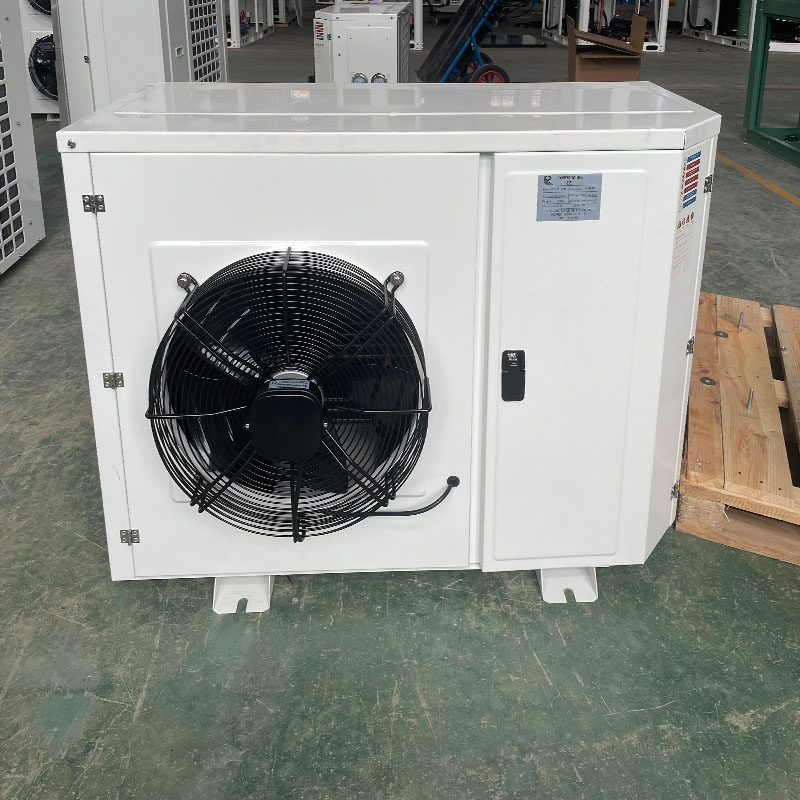
Choosing the right supplier is just as critical as selecting the right unit. Here are key factors to consider when evaluating suppliers of evaporative condensing units:
Manufacturing Experience: A supplier with a proven track record, such as Shanghai EMTH, which has over 20 years of experience in refrigeration equipment manufacturing, can provide insights into product reliability and industry practices.
Quality Control Processes: Inquire about the supplier’s quality assurance measures. Do they have certifications or standard operating procedures in place to ensure product consistency and compliance with industry standards?
Customization Capabilities: Depending on the application, the ability to customize features (such as size, materials, and performance specifications) can be a significant advantage. Suppliers should be able to accommodate specific requirements to meet unique operational needs.
Technical Support and Service: Evaluate the level of technical support the supplier provides. Available resources for installation, maintenance, and troubleshooting can save time and reduce operational downtime in the long run.
Customer References and Reviews: Check for testimonials or case studies from previous clients to gauge the supplier’s reliability and customer service. A responsive supplier can make a substantial difference in the purchasing experience.
By carefully evaluating these factors, buyers can select a supplier who aligns with their operational goals and can provide ongoing support.
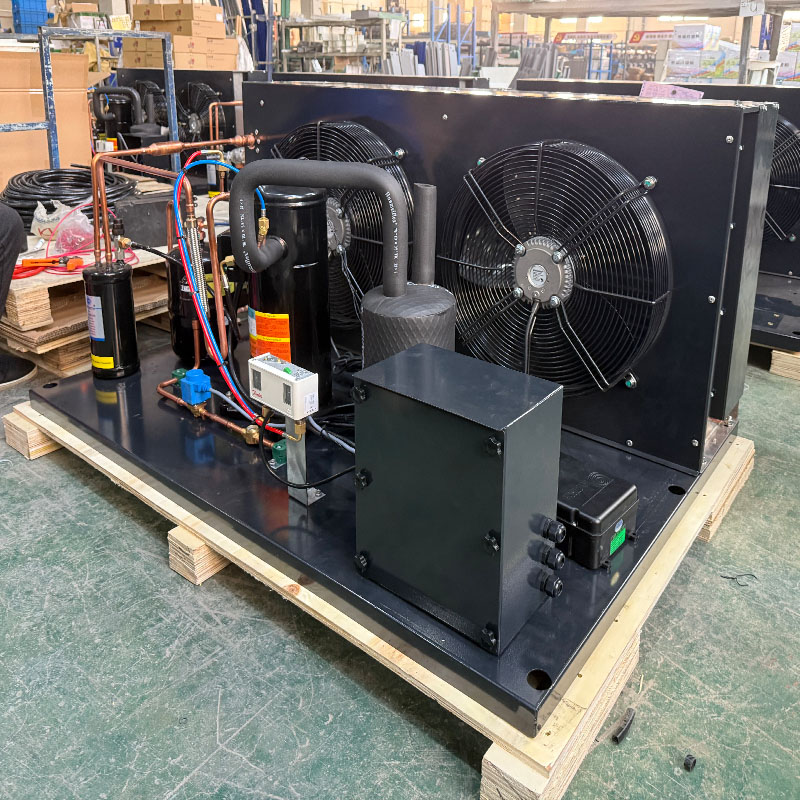
Cost is a significant consideration when purchasing evaporative condensing units, especially in bulk. Here are some key factors that influence pricing:
Material Costs: The choice of materials used in the construction of the evaporative condensing unit can greatly affect the price. High-quality materials may incur higher initial costs but can lead to reduced maintenance and longer lifespans.
Production Volume: Purchasing in bulk often leads to discounts, but this can vary significantly among suppliers. Understanding the minimum order quantities (MOQs) and negotiating pricing based on anticipated future needs can help optimize costs.
Shipping and Handling: Consider the logistics involved, including shipping costs and delivery timelines. For large orders, freight costs can become a substantial part of the total expenditure.
Warranty and Service Plans: The cost of extended warranties or service agreements should be factored into the total price. A unit that comes with a robust warranty may have a higher upfront cost but can save money on repairs in the long run.
Energy Efficiency Ratings: Higher initial costs may be associated with units that have better energy efficiency ratings. While the upfront investment is greater, energy savings can lead to lower operational costs over time.
Understanding these cost factors will enable buyers to make more informed decisions and negotiate better pricing terms. Additionally, considering the long-term benefits of investing in quality Refrigeration Accessories can enhance overall system performance and efficiency.
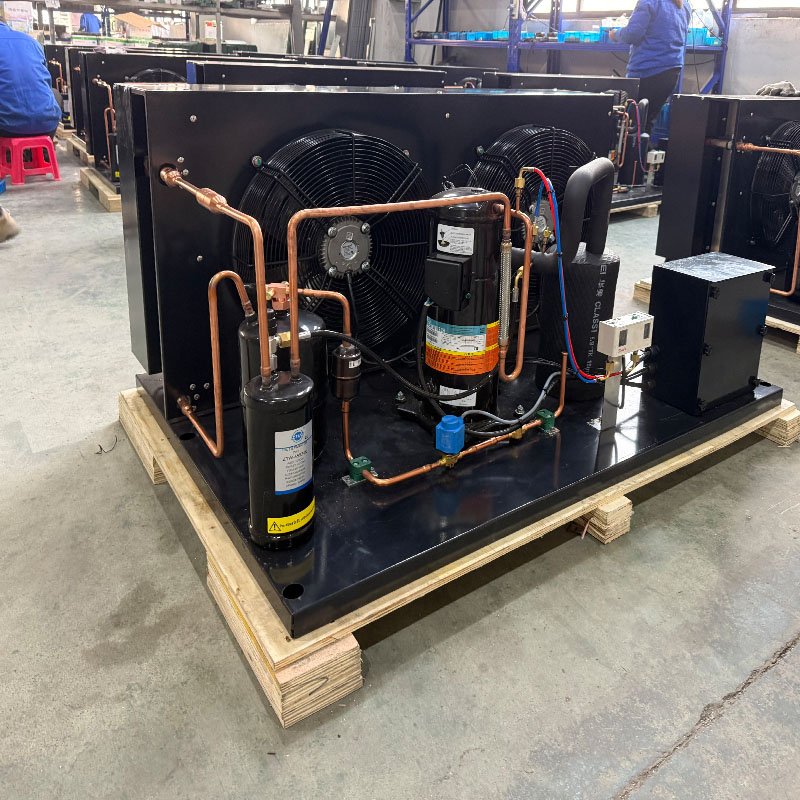
Installing evaporative condensing units can present a range of challenges that buyers should be prepared to address:
Space Constraints: Limited installation space can hinder unit placement, impacting airflow and overall efficiency. Buyers should conduct a thorough site assessment and work with suppliers to ensure that the unit’s dimensions fit within the available area.
Compatibility with Existing Systems: Ensuring that the new unit is compatible with existing refrigeration systems is crucial. Buyers should provide detailed information about their current setup to suppliers, who can recommend suitable models.
Water Supply and Drainage: Evaporative condensing units require a consistent water supply for optimal operation. Planning for adequate water connections and drainage is essential to prevent operational issues.
Electrical Connections: Ensuring that the electrical infrastructure can support the new unit is vital for safe and efficient operation. Buyers should verify that their electrical systems meet the unit’s requirements and plan for any necessary upgrades.
Regulatory Compliance: Installation may require adherence to local regulations and building codes. Buyers should consult with their suppliers to ensure that all necessary permits and inspections are addressed.
By anticipating these challenges and collaborating with experienced suppliers, buyers can streamline the installation process and reduce potential complications.
Complete service program, from formulating of plans to the production and Cooling room, to after-sales service, there are specific docking.
EMTH has a long-standing track record of success in the industry with more than 3,000 satisfied customers.
More than 20 years of' experience and an experienced R&D EMTH team.
A modern plant of over 40000 square meters is in place to meet the majority Ice maker for under counter demands for production.

Welcome to EMTH, a cold storage refrigeration equipment specialist in China! We offer innovative and effective cold storage solutions, including cold storage, evaporator, condensing unit and ice machine.
Room 304-305B, Building 5, BESHINE B.P, No. 559Zhuyuan Road, Minhang District 201112, Shanghai, China
Copyright © Shanghai EMTH Import & Export Co., Ltd. All Rights Reserved. - Privacy Policy
 EN
 AR
 BG
 HR
 CS
 DA
 NL
 FI
 FR
 DE
 EL
 IT
 JA
 KO
 NO
 PL
 PT
 RO
 RU
 ES
 TL
 IW
 ID
 LT
 SR
 VI
 HU
 TH
 MS
 AZ
 JW
 LO
 MN
 SO
 MY
 KK
 TG
 UZ
 GD
 XH