A dual condenser chiller is an advanced refrigeration system designed to provide efficient cooling for various industrial and commercial applications. These chillers are particularly sought after for their ability to maintain stable temperatures while optimizing energy consumption. As a buyer, you may have concerns regarding efficiency, cost-effectiveness, installation, and potential issues that could arise during operation. This article will address these critical aspects to help you make informed purchasing decisions regarding dual condenser chillers.
When considering the purchase of a dual condenser chiller, several key factors should be evaluated:
Capacity and Performance: Understand the cooling capacity required for your specific application. Dual condenser chillers come in various sizes, and selecting the right one is crucial for efficient operation. Oversizing can lead to increased costs and energy waste, while undersizing can result in inadequate cooling.
Energy Efficiency: Look for chillers that meet or exceed energy efficiency standards. The energy efficiency ratio (EER) and seasonal energy efficiency ratio (SEER) are critical metrics that indicate the performance of the chiller. Higher ratings mean lower operational costs and a reduced carbon footprint.
Material and Construction Quality: Investigate the materials used in the chiller's construction. High-quality, corrosion-resistant materials will enhance durability and performance, particularly in harsh environments. Additionally, considering the Refrigeration Accessories that complement your chiller can further improve its efficiency.
Customization Options: Depending on your needs, customization may be necessary. Assess the manufacturer’s ability to provide tailored solutions that fit your specific operational requirements.
Manufacturer Reputation and Support: Choose a supplier with a proven track record in the industry. Strong customer support and a robust warranty can significantly impact your overall satisfaction and the chiller's longevity.
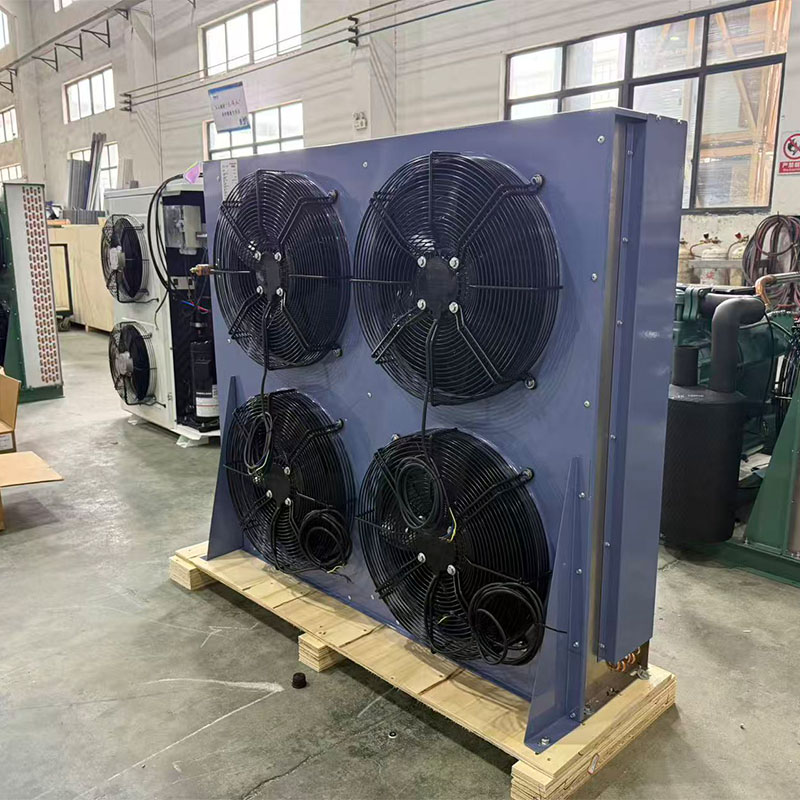
When it comes to wholesale purchasing of dual condenser chillers, there are several steps to ensure you make the best decision:
Define Your Requirements: Before reaching out to suppliers, clearly define your needs, including cooling capacity, energy efficiency requirements, and any specific features you desire.
Request Quotes from Multiple Suppliers: Contact various manufacturers to gather quotes. This not only provides you with pricing options but also gives you insight into their customer service and responsiveness.
Evaluate Quality and Certification: Ensure that the chillers meet industry standards and certifications. Look for compliance with energy efficiency and safety regulations, which can affect long-term reliability.
Negotiate Terms and Conditions: Discuss payment terms, delivery schedules, and warranty conditions. A good supplier should be flexible and willing to accommodate your business needs.
Consider Sample Approval: Before finalizing a large order, request a sample unit to test its performance under your specific operational conditions. This helps mitigate the risk of costly mistakes. Furthermore, ensure that the sample includes essential components like the Compressor for a complete assessment.
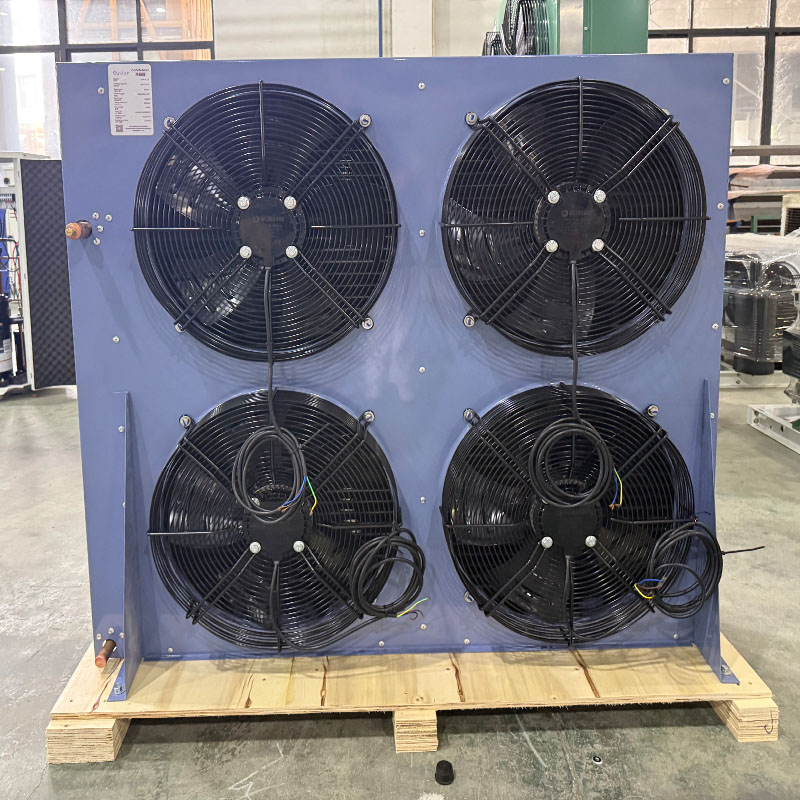
The total cost of ownership for dual condenser chillers extends beyond the initial purchase price. Here are some cost factors to consider:
Initial Purchase Price: Compare the upfront costs of various models, taking into account the features and specifications that are most important for your application.
Installation Costs: Installation can be a significant expense. Ensure that you factor in labor and any additional components necessary for setup. Working with experienced technicians can help mitigate unforeseen expenses.
Operational Costs: Analyze the expected energy consumption based on the chiller's EER and SEER ratings. Energy-efficient models may have a higher upfront cost but can lead to substantial savings in the long run.
Maintenance and Repair Costs: Investigate the manufacturer's recommendations for maintenance schedules and parts replacement. A chiller that is easy to service can reduce downtime and lower maintenance costs.
Potential Incentives: Research any available government incentives or rebates for purchasing energy-efficient equipment, as this can significantly impact overall costs.
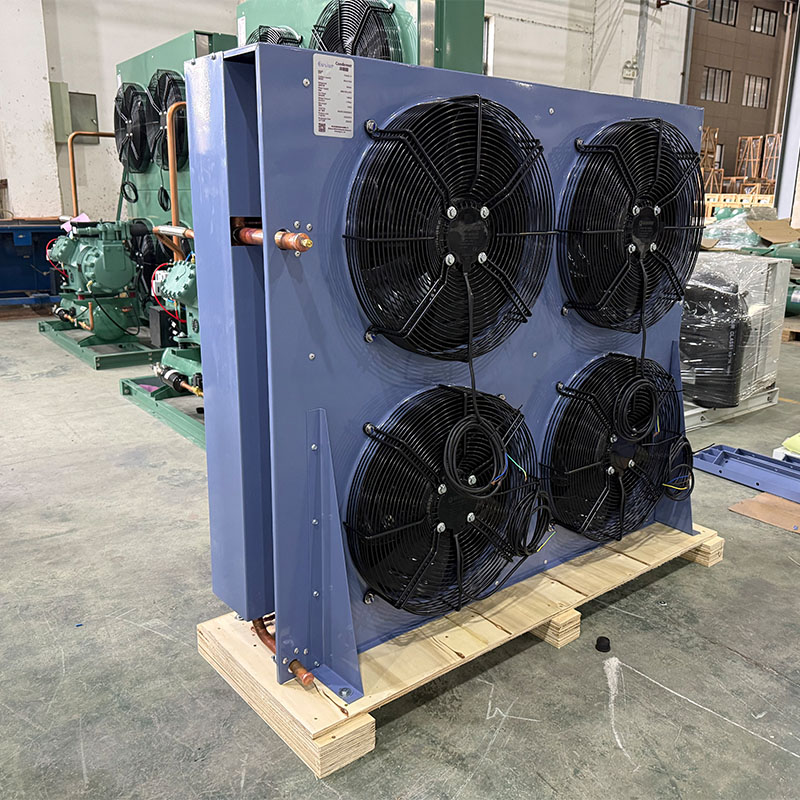
Proper installation is critical for maximizing the efficiency of a dual condenser chiller. Here are some essential tips:
Site Assessment: Ensure that the installation site is suitable for the chiller's size and operational requirements. Consider factors like airflow, access for maintenance, and proximity to power sources.
Follow Manufacturer Guidelines: Adhere strictly to the installation manual provided by the manufacturer. This includes specific requirements for leveling, connecting pipes, and electrical wiring.
Check Refrigerant Levels: Before commissioning the chiller, verify that the refrigerant levels are correct. Low refrigerant can lead to inefficient cooling and potential damage to the system.
Insulation: Properly insulate pipes to prevent heat gain, which can reduce the chiller's efficiency. This is particularly crucial for long runs of refrigerant and water lines.
Regular Testing: After installation, conduct performance tests to ensure the system operates efficiently. Monitor temperatures and pressures to identify any anomalies early.
A modern plant of over 40000 square meters is in place to meet the EMTH majority manufacturing requirements.
We have more than 20 years of experience and a highly skilled R&D EMTH staff.
With a full service system, from the formulation of plans, production of Condensing units as well as project landing until after-sales assistance, there's special docking.
With a great reputation in the business and over 3,000+ clients that they have served, EMTH EMTH is a trustworthy established supplier that is praised by its clients.

Welcome to EMTH, a cold storage refrigeration equipment specialist in China! We offer innovative and effective cold storage solutions, including cold storage, evaporator, condensing unit and ice machine.
Room 304-305B, Building 5, BESHINE B.P, No. 559Zhuyuan Road, Minhang District 201112, Shanghai, China
Copyright © Shanghai EMTH Import & Export Co., Ltd. All Rights Reserved. - Privacy Policy
 EN
 AR
 BG
 HR
 CS
 DA
 NL
 FI
 FR
 DE
 EL
 IT
 JA
 KO
 NO
 PL
 PT
 RO
 RU
 ES
 TL
 IW
 ID
 LT
 SR
 VI
 HU
 TH
 MS
 AZ
 JW
 LO
 MN
 SO
 MY
 KK
 TG
 UZ
 GD
 XH