Copper condensers are essential components in refrigeration systems, playing a crucial role in the heat exchange process that enables cooling. For B2B buyers—such as purchasing managers, distributors, and engineers—understanding the specifications, cost factors, potential issues, and applications of copper condensers is vital for making informed purchasing decisions. This article will explore key specifications, common problems, and practical applications of copper condensers, ensuring you have the necessary information to select the right product for your needs.
When evaluating copper condensers, several key specifications should be considered:
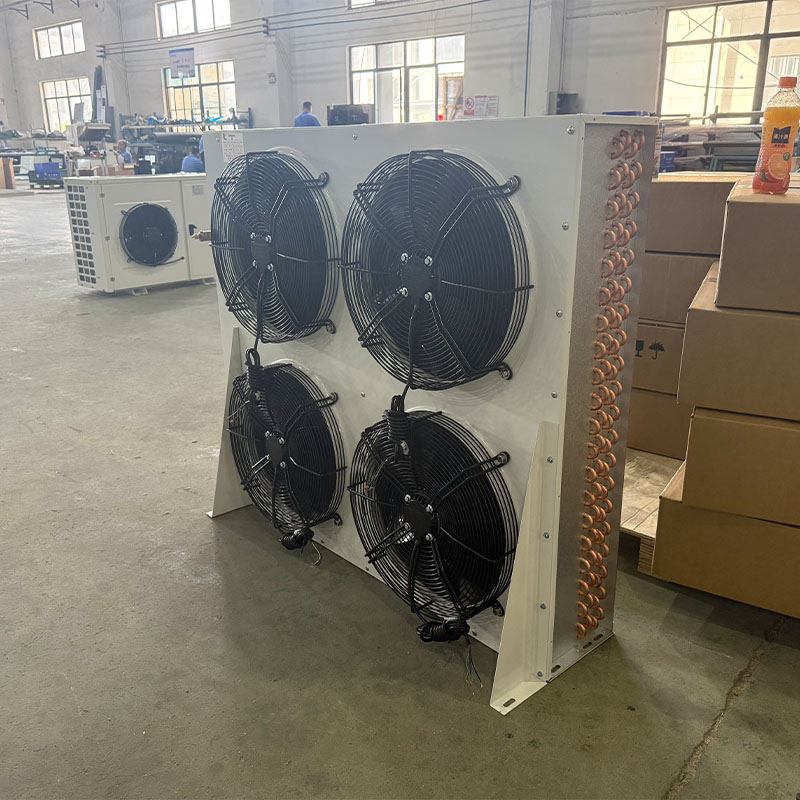
Material Composition: High-quality copper condensers are typically made from C11000 copper alloy, known for its excellent thermal conductivity and corrosion resistance. The choice of material affects both performance and longevity.
Thickness and Dimensions: The thickness of the copper tubing impacts the condenser's ability to withstand pressure and temperature variations. Standard diameters range from 3/8” to 1/2”, but custom dimensions can be requested based on specific application requirements.
Fin Design: The design of the fins attached to the tubing plays a significant role in heat dissipation. Fins can be plain or enhanced (such as louvered), which can increase surface area and improve efficiency. Buyers should consider the balance between cost and performance when selecting fin designs.
Pressure Ratings: Condensers are rated for specific operating pressures, typically between 150 to 300 psi. Ensure the pressure rating meets the requirements of your refrigeration system to prevent failures.
Testing and Certifications: Look for manufacturers that conduct rigorous testing, including pressure testing and leak detection. Certifications such as ISO or CE may also indicate adherence to quality standards.
Understanding these specifications helps ensure that the copper condenser you choose will meet your operational needs and withstand the conditions of your specific application.
Before making a purchase, there are several important factors to consider:
Customization Capabilities: Many manufacturers, like Shanghai EMTH, offer customization options for copper condensers, allowing you to tailor specifications to fit your equipment and operational requirements. Discuss your specific needs with suppliers to explore available options. Additionally, you might be interested in our YH Type Condenser which also offers customization.
Minimum Order Quantities (MOQ): Be aware of the MOQ, as this can vary significantly between suppliers. Understanding the MOQ can help you plan your purchasing strategy and manage inventory effectively.
Lead Times: Copper condenser production lead times can vary based on customization and order volume. Ensure you discuss lead times with suppliers to avoid delays in your project timelines.
Quality Control Processes: Inquire about the manufacturer's quality control processes to ensure that the condensers produced meet your standards. Look for suppliers who utilize standardized testing procedures to verify product integrity.
By addressing these factors early in the purchasing process, you can streamline your sourcing and avoid potential complications.
The cost of copper condensers can be influenced by several factors:
Material Costs: Fluctuations in copper prices directly impact production costs. Staying informed about market trends can help you anticipate pricing changes.
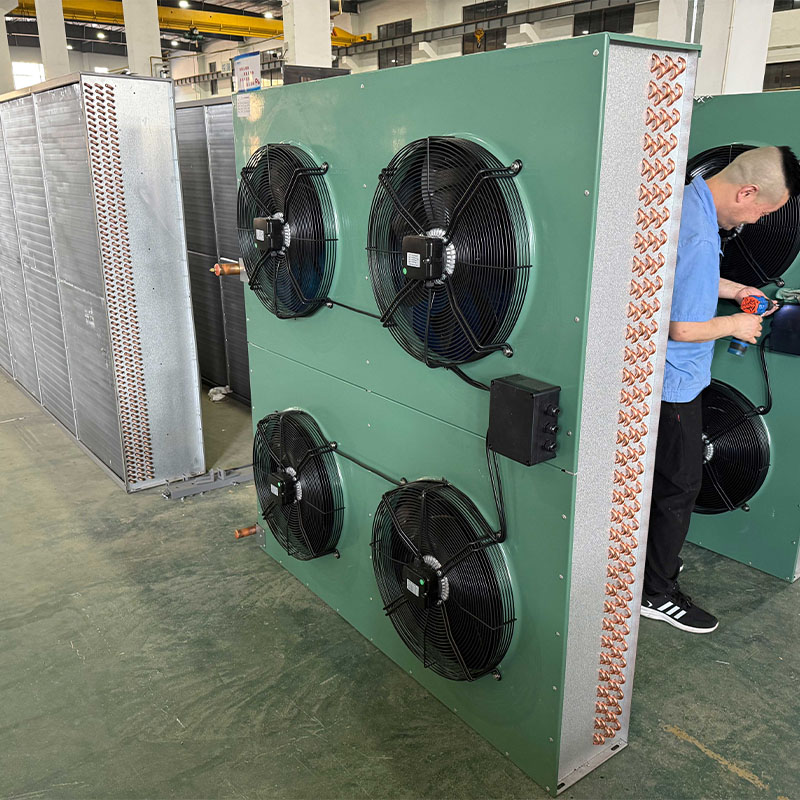
Complexity of Design: More intricate designs, such as those with enhanced fins or custom dimensions, typically come with higher production costs. Balance your need for efficiency with your budget when selecting designs.
Production Volume: Higher order volumes may lead to reduced per-unit costs due to economies of scale. Consider placing bulk orders if your application requires large quantities.
Supplier Location: Freight costs can vary depending on the supplier's location. If you are importing condensers from overseas, factor in shipping and customs duties when calculating total costs.
Additional Services: Some manufacturers offer services such as installation support or extended warranties, which can increase upfront costs but may provide value in the long run. For example, our Compressor For Refrigeration Tools And Equipment includes installation support.
Understanding these cost factors will help you better evaluate quotations and negotiate with suppliers.
While copper condensers are reliable, they can experience certain issues:
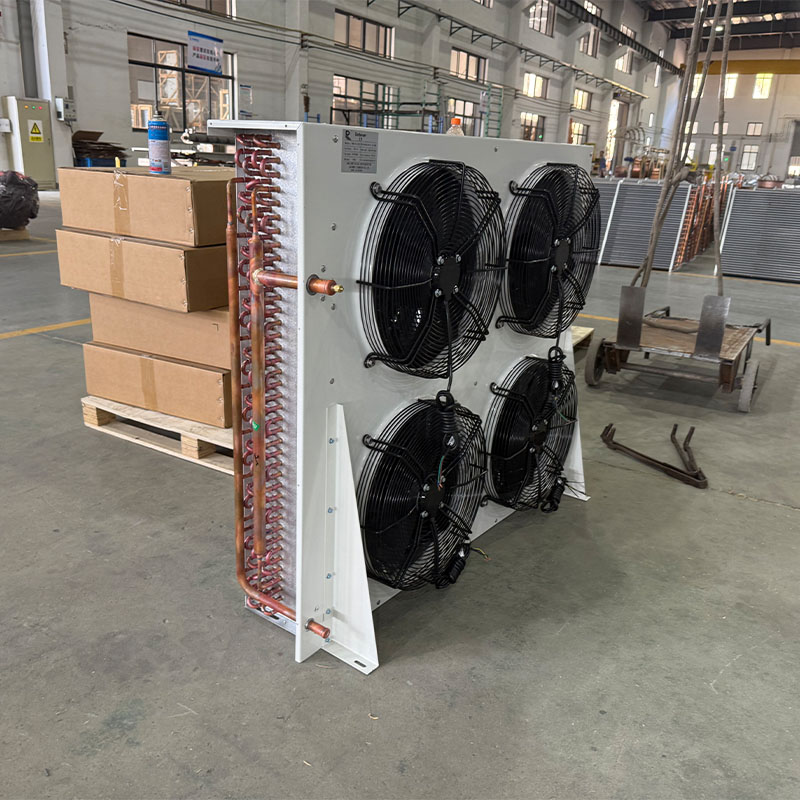
Corrosion: Copper is susceptible to corrosion, particularly in environments with high humidity or exposure to chemicals. To mitigate this, consider using protective coatings or selecting alloys that offer enhanced corrosion resistance.
Leakage: Poor manufacturing practices or improper handling can lead to leaks. Always verify that your supplier conducts thorough testing for integrity before shipping.
Inefficient Heat Transfer: If the condenser is not properly sized for the application, it may not perform efficiently. Ensure that you provide accurate specifications to your supplier to avoid mismatches.
Maintenance Challenges: Regular maintenance is crucial for optimal performance. Develop a maintenance schedule that includes cleaning the fins and checking for blockages to prevent issues.
Installation Issues: Improper installation can compromise performance. Ensure that installation guidelines are followed, and consider training for personnel involved in the installation process.
Addressing these common problems proactively can save time and resources in the long run.
With a strong reputation in the field and over 3,000+ customers served, EMTH EMTH is a trustworthy known and dependable supplier that has been acknowledged by other clients.
With more than 20 years of knowledge, we've developed a a complete production and sales and after-sales system with more than 20 patent certificates and a highly skilled R&D EMTH team.
Complete service program, from formulating of plans to the production and Cooling room, to after-sales service, there are specific docking.
A modern plant of over 4000 square meters is in operation to meet the majority Ice maker for commercial production requirements.

Welcome to EMTH, a cold storage refrigeration equipment specialist in China! We offer innovative and effective cold storage solutions, including cold storage, evaporator, condensing unit and ice machine.
Room 304-305B, Building 5, BESHINE B.P, No. 559Zhuyuan Road, Minhang District 201112, Shanghai, China
Copyright © Shanghai EMTH Import & Export Co., Ltd. All Rights Reserved. - Privacy Policy
 EN
 AR
 BG
 HR
 CS
 DA
 NL
 FI
 FR
 DE
 EL
 IT
 JA
 KO
 NO
 PL
 PT
 RO
 RU
 ES
 TL
 IW
 ID
 LT
 SR
 VI
 HU
 TH
 MS
 AZ
 JW
 LO
 MN
 SO
 MY
 KK
 TG
 UZ
 GD
 XH