Coolroom condensers are critical components in refrigeration systems, ensuring that cold rooms maintain optimal temperatures for food storage, pharmaceuticals, and other temperature-sensitive products. As a B2B buyer, you may have concerns about specifications, quality, and application suitability. This article aims to provide insights into comparing coolroom condenser specifications, understanding manufacturing quality control, evaluating material advantages, exploring applications across various industries, and assessing quality before purchase.
When selecting a coolroom condenser, understanding specifications is vital for ensuring the unit meets your operational requirements. Key specifications include cooling capacity, energy efficiency, dimensions, and refrigerant type.
Cooling Capacity: Measured in BTUs or kilowatts, this indicates how much heat the condenser can remove from the space. It's essential to match the cooling capacity to the size of the cold room to maintain temperature effectively.
Energy Efficiency: Look for units with high Energy Efficiency Ratios (EER) or Coefficient of Performance (COP). These metrics help assess energy consumption, impacting operational costs. A higher EER or COP translates to lower electricity bills over time.
Dimensions: Ensure the condenser fits within your cold room’s design. Consider both the physical dimensions and the layout for proper airflow and maintenance access.
Refrigerant Type: Different refrigerants have distinct properties and environmental impacts. Be aware of local regulations regarding refrigerants, as some may require phased-out substances.
Before making a decision, request detailed specifications from manufacturers to confirm compatibility with your application.
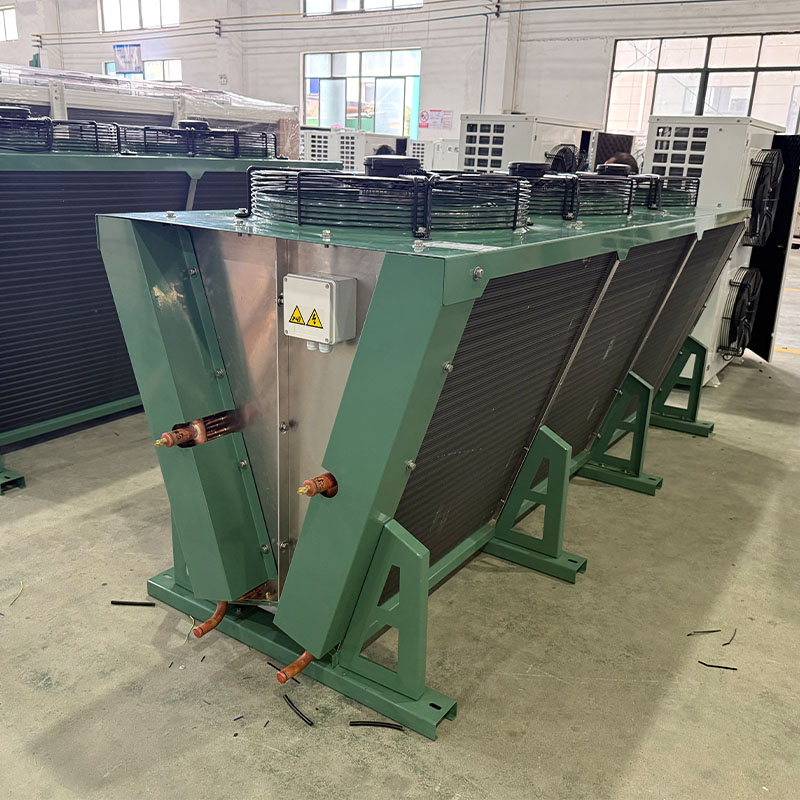
Quality control is paramount in the manufacturing of coolroom condensers, affecting performance and reliability. Effective practices include:
Material Inspection: High-quality materials, such as corrosion-resistant metals and reliable insulation, should be inspected upon delivery. Ensuring the materials meet specified standards can prevent premature failure.
In-Process Testing: Manufacturers should implement testing throughout the production process. This includes pressure testing, thermal performance checks, and electrical safety evaluations to ensure each unit meets operational standards.
Final Inspection: Before shipping, a thorough final inspection should be conducted. This includes checking for any physical defects, verifying performance under simulated operating conditions, and ensuring compliance with relevant certifications.
Shanghai EMTH leverages over 20 years of manufacturing experience to implement stringent quality control measures, ensuring that each condenser meets high performance and durability standards.
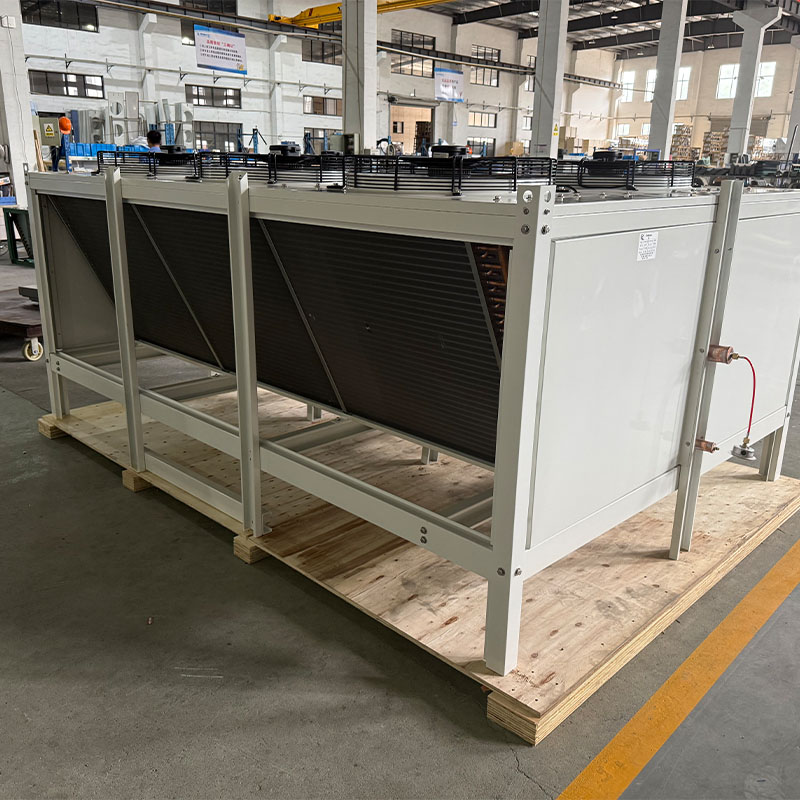
The choice of materials in coolroom condenser construction significantly impacts durability, efficiency, and maintenance. Common materials include:
Aluminum: Lightweight and resistant to corrosion, aluminum is often used in heat exchangers for its excellent thermal conductivity. However, it may not be as robust as other materials in high-stress environments.
Copper: Known for its superior thermal conductivity, copper is frequently used in condenser coils. While more expensive, its durability and corrosion resistance make it a preferred choice for long-term applications.
Stainless Steel: This material offers excellent corrosion resistance and strength, making it suitable for harsh environments. Stainless steel is ideal for applications where cleanliness is crucial, such as in pharmaceutical storage.
Selecting the right material depends on the specific application, environmental conditions, and budget considerations. Discuss your requirements with the manufacturer to determine the most suitable material for your needs.
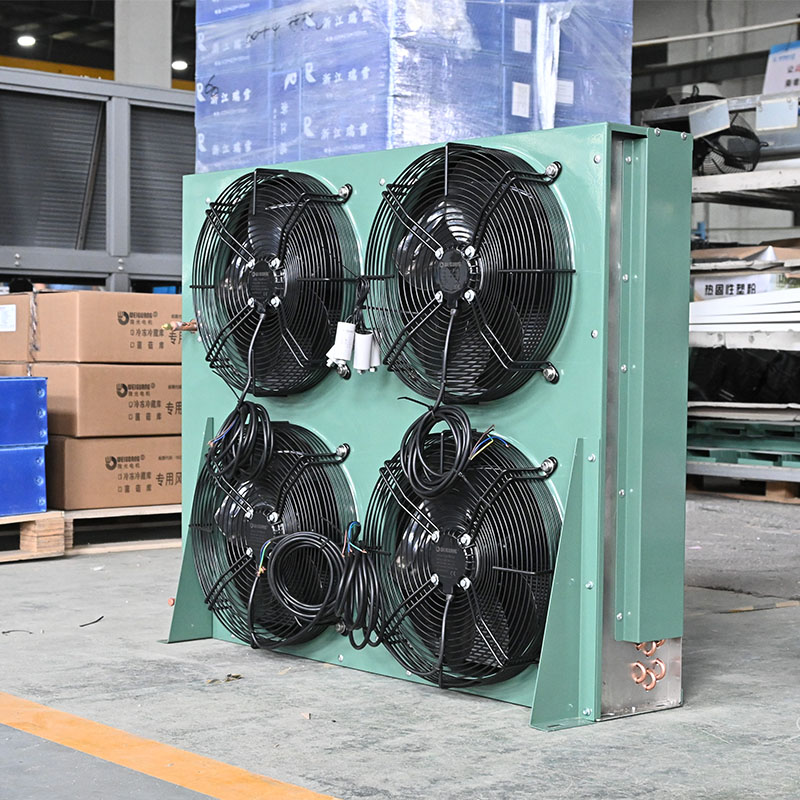
Coolroom condensers play a vital role across multiple sectors, including:
Food and Beverage: In the food industry, maintaining precise temperatures is critical for preserving freshness and preventing spoilage. Coolroom condensers are essential in warehouses, distribution centers, and retail environments.
Pharmaceuticals: Temperature-sensitive medications and vaccines require stringent storage conditions. Condensers in pharmaceutical applications must ensure consistent cooling to meet regulatory standards.
Floral and Agricultural: Flowers and agricultural products often need specific temperature controls to prolong shelf life. Properly functioning coolroom condensers can significantly reduce waste in these industries.
Understanding the specific requirements of your industry will guide you in selecting the appropriate condenser for your application.
EMTH EMTH has a solid track record in the field, with over 3,000+ happy customers.
More than 20 years of of experience and a professional R&D EMTH staff.
With a full service system, from the formulation of plans, production of Condensing units as well as project landing until after-sales assistance, there's special docking.
A modern factory space that covers more than 40000 square meters, it is able to meet the vast majority of the EMTH production requirements.

Welcome to EMTH, a cold storage refrigeration equipment specialist in China! We offer innovative and effective cold storage solutions, including cold storage, evaporator, condensing unit and ice machine.
Room 304-305B, Building 5, BESHINE B.P, No. 559Zhuyuan Road, Minhang District 201112, Shanghai, China
Copyright © Shanghai EMTH Import & Export Co., Ltd. All Rights Reserved. - Privacy Policy
 EN
 AR
 BG
 HR
 CS
 DA
 NL
 FI
 FR
 DE
 EL
 IT
 JA
 KO
 NO
 PL
 PT
 RO
 RU
 ES
 TL
 IW
 ID
 LT
 SR
 VI
 HU
 TH
 MS
 AZ
 JW
 LO
 MN
 SO
 MY
 KK
 TG
 UZ
 GD
 XH