Cooling coil condensers are essential components in refrigeration systems, playing a crucial role in transferring heat from refrigerants to the surrounding environment. For B2B buyers, understanding how to select the right cooling coil condenser is key to ensuring optimal system performance and efficiency. This article will address common buyer concerns such as specifications, quality evaluation, and supplier reliability, providing practical insights to aid in making informed purchasing decisions.
Selecting the right cooling coil condenser involves assessing several critical factors that influence both performance and compatibility with your refrigeration system. Begin by evaluating the necessary cooling capacity, which is typically measured in BTUs or kilowatts. This specification should align with your project's cooling requirements to ensure efficiency.
Next, consider the material of the condenser. Common materials include copper, aluminum, and stainless steel, each offering different thermal conductivity and corrosion resistance properties. For instance, copper is highly efficient but may be unsuitable in corrosive environments.
Additionally, the design of the condenser should match the intended application, whether it's for air conditioning, industrial refrigeration, or commercial chillers. Factors like size, shape, and installation orientation can impact the overall system performance. It is advisable to collaborate with an experienced manufacturer, like Shanghai EMTH, to identify the best options tailored to your specific needs.
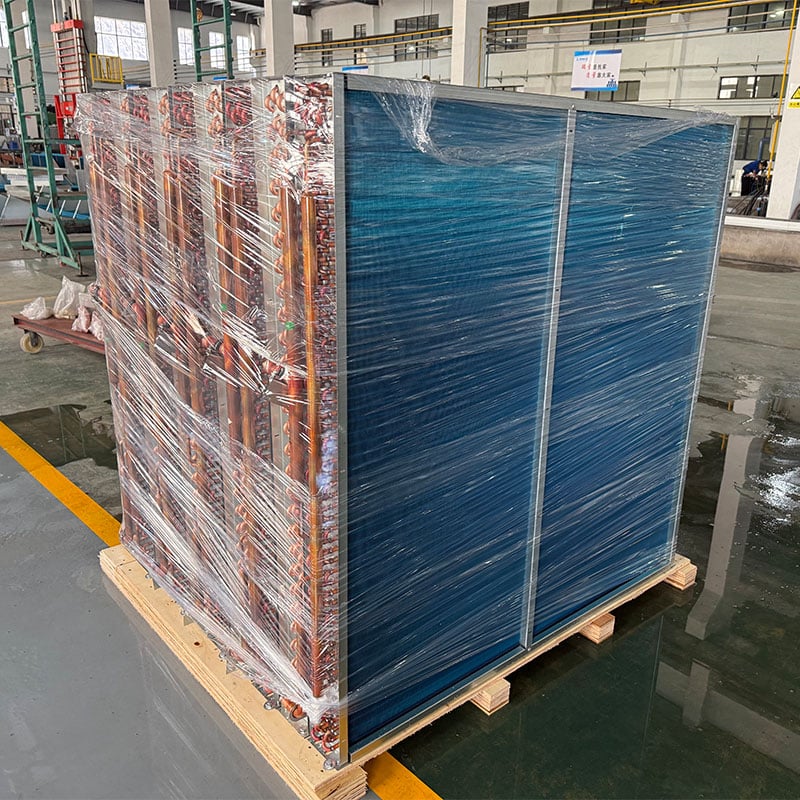
When sourcing cooling coil condensers, several key specifications must be taken into account:
Cooling Capacity: This is a measure of the condenser's ability to remove heat, and it should closely match the demands of your cooling system.
Pressure Rating: Ensure that the condenser can withstand the operating pressures of your refrigeration system. This is particularly important for high-pressure applications.
Dimensions and Weight: The condenser's physical dimensions and weight are crucial for installation compatibility. Ensure that it fits within the designated space and can be supported adequately.
Material Specifications: As mentioned earlier, the choice of material affects both performance and durability. Confirm that the selected material is appropriate for the operating environment.
Fin Design: The fin configuration impacts heat transfer efficiency. Options include louvered, serrated, or flat fins, each suited for different airflow conditions.
Coating and Finishes: Protective coatings can enhance corrosion resistance, especially in harsh environments. Confirm that any finish meets your operational and environmental requirements.
By carefully reviewing these specifications, you can ensure that the cooling coil condenser meets the specific demands of your application.
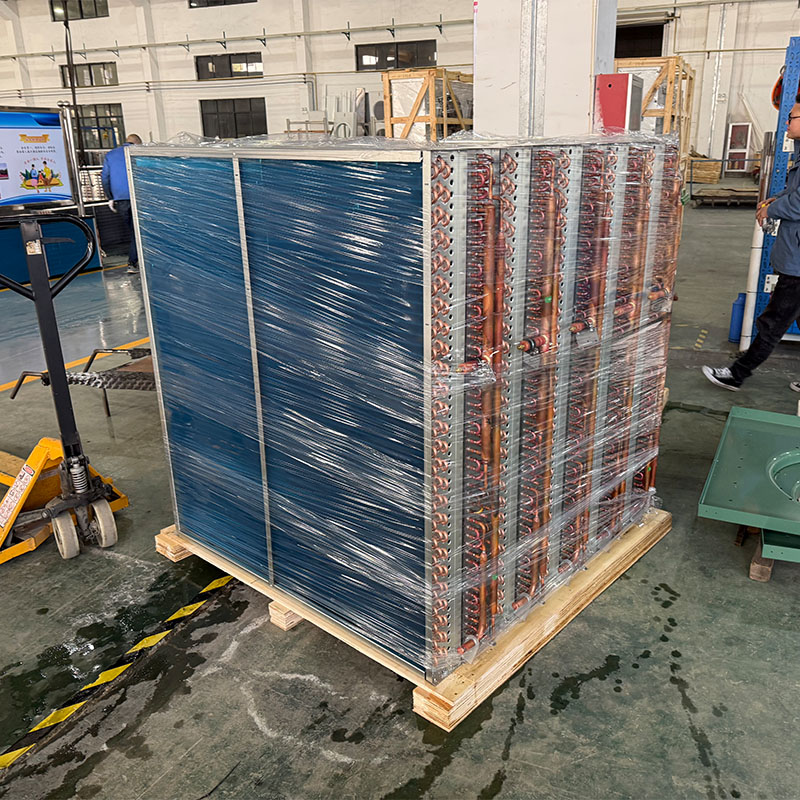
Quality evaluation is vital, especially when placing bulk orders for cooling coil condensers. Begin by requesting product samples to assess their construction and performance under real-world conditions. Pay close attention to welds, finishes, and overall build quality, as these factors can significantly affect durability and efficiency.
Additionally, verify the manufacturer's quality control processes. A reputable manufacturer, such as Shanghai EMTH, will have established procedures for inspection and testing throughout production. This includes checking for leaks, assessing heat transfer efficiency, and confirming compliance with relevant industry standards.
It's also important to consider certifications and compliance with local regulations. Ensure that the condenser meets the necessary safety and environmental standards for your market.
Finally, inquire about warranty terms and post-purchase support. A strong warranty can be an indicator of the manufacturer's confidence in their product quality and can provide peace of mind for buyers.
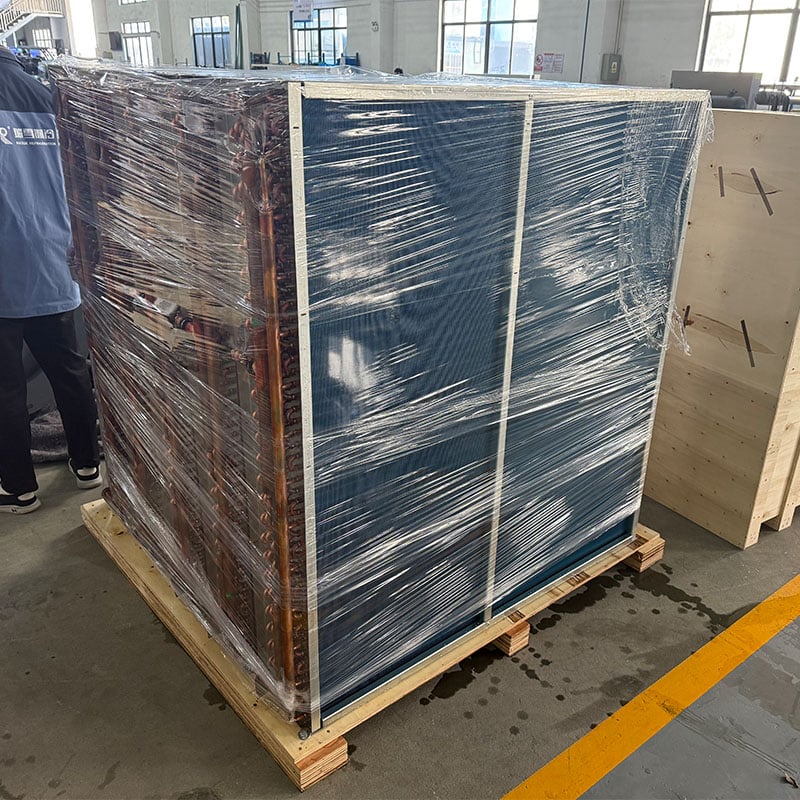
Finding reliable suppliers for cooling coil condensers involves thorough research and evaluation. Start by identifying manufacturers with a proven track record in the refrigeration industry, such as Shanghai EMTH, which has over 20 years of experience and multiple patents in the field.
Utilize online platforms and directories to gather a list of potential suppliers. Look for reviews and testimonials from previous customers to gauge reliability and service quality.
Participating in industry trade shows and exhibitions can also provide valuable opportunities to meet suppliers face-to-face, allowing for direct discussions on capabilities, product offerings, and customization options.
Finally, request references from suppliers you are considering. Speaking to other customers can provide insights into the supplier's performance, delivery timelines, and customer service.
We have more than 20 years of experience and an experienced R&D EMTH.
A modern facility of more than 40,000 square meters is available to meet the majority of EMTH requirements.
With a great reputation in the industry with over 3,000+ clients served, EMTH EMTH is a trustworthy known and dependable supplier that has been recognized by other clients.
Complete service program, from formulating of plans to the production and Ice maker for under counter, to after-sales service, there are specific docking.

Welcome to EMTH, a cold storage refrigeration equipment specialist in China! We offer innovative and effective cold storage solutions, including cold storage, evaporator, condensing unit and ice machine.
Room 304-305B, Building 5, BESHINE B.P, No. 559Zhuyuan Road, Minhang District 201112, Shanghai, China
Copyright © Shanghai EMTH Import & Export Co., Ltd. All Rights Reserved. - Privacy Policy
 EN
 AR
 BG
 HR
 CS
 DA
 NL
 FI
 FR
 DE
 EL
 IT
 JA
 KO
 NO
 PL
 PT
 RO
 RU
 ES
 TL
 IW
 ID
 LT
 SR
 VI
 HU
 TH
 MS
 AZ
 JW
 LO
 MN
 SO
 MY
 KK
 TG
 UZ
 GD
 XH