In the world of refrigeration, a cooler evaporator is a critical component that helps maintain temperature control in various applications, from commercial cold rooms to industrial chillers. As B2B buyers, your primary concerns revolve around selecting the right evaporator to meet specific operational requirements, ensuring cost-effectiveness, and sourcing reliable suppliers. This article will guide you through essential considerations when choosing a cooler evaporator, including key specifications, supplier evaluation, and cost factors.
Selecting the appropriate cooler evaporator involves understanding its role in your specific refrigeration system and the application it serves. Start by identifying the cooling requirements, which include the desired temperature range, cooling capacity, and airflow design.
Different applications may necessitate various types of evaporators, such as air-cooled or water-cooled options. For instance, if you're operating in a high-humidity environment, a specialized evaporator designed to handle moisture may be essential. Additionally, consider the size and layout of your space, as this will affect the evaporator's installation and operational efficiency.
Another critical factor is the compatibility of the evaporator with existing refrigeration systems. Ensure that the evaporator's dimensions and design align with your current setup, as mismatches can lead to inefficiencies and increased operational costs.
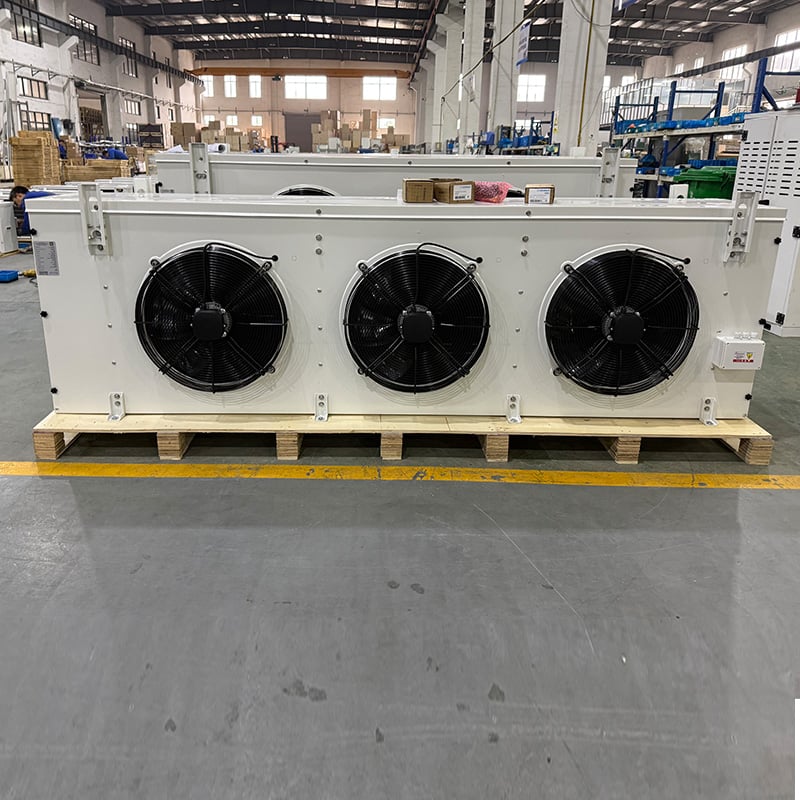
When sourcing cooler evaporators, several key specifications will help you evaluate their suitability:
Cooling Capacity: Measured in BTUs or kilowatts, this indicates how much heat the evaporator can remove. Ensure that the capacity aligns with your cooling requirements to avoid inefficiencies.
Material and Construction: Typically made from aluminum or copper, the choice of material impacts thermal efficiency, durability, and resistance to corrosion. For instance, copper evaporators generally offer better thermal conductivity but may require more maintenance.
Dimensions and Configuration: The evaporator's size and layout should fit your installation space. Consider the height, width, and depth to ensure proper airflow and access for maintenance.
Fan Type and Airflow Rate: The type of fan (axial or centrifugal) and its airflow rate are vital for effective heat exchange. A higher airflow rate can enhance cooling efficiency but may increase noise levels.
Energy Efficiency Ratings: Look for evaporators with high energy efficiency ratios (EER) or seasonal energy efficiency ratios (SEER) to reduce operational costs over time.
Certifications: Check for relevant industry certifications that indicate compliance with safety and environmental standards, ensuring product reliability and safety. Additionally, consider the role of refrigeration accessories that may enhance the overall performance of your evaporator system.
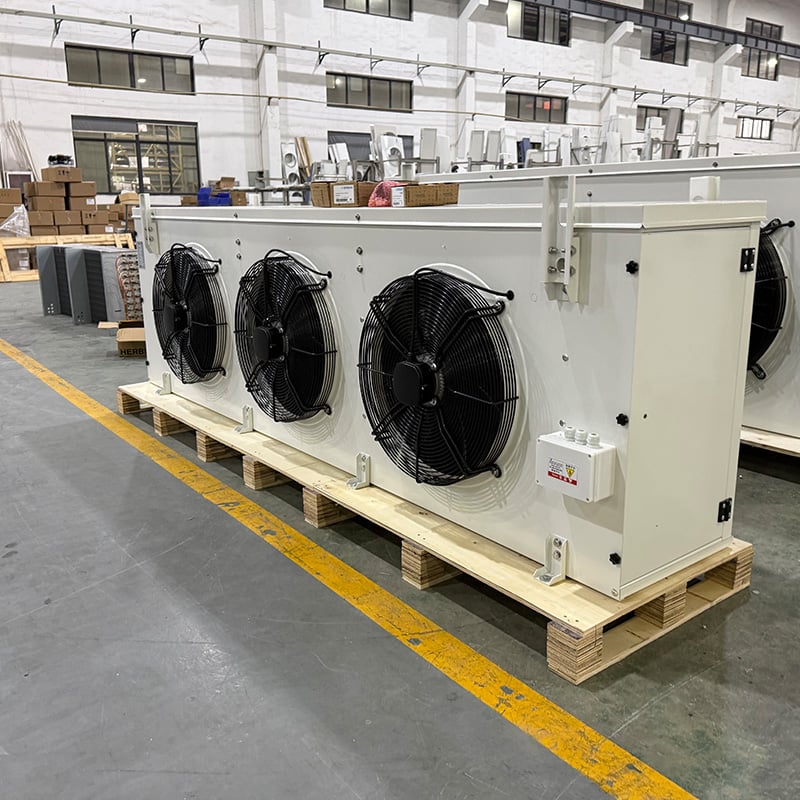
Finding trustworthy suppliers for cooler evaporators is essential for ensuring quality and reliability. Start by conducting an online search for manufacturers with a strong reputation in the refrigeration industry. Look for companies that provide detailed product specifications and have a proven track record of quality assurance.
Industry trade shows and expos can also be excellent venues to meet suppliers in person, allowing you to ask questions and see products firsthand. Networking within industry associations may lead you to reputable manufacturers as well.
When evaluating potential suppliers, consider their manufacturing capabilities, such as the presence of modern production equipment and quality control processes. Request samples and inquire about their customization options to ensure they can meet your specific requirements.
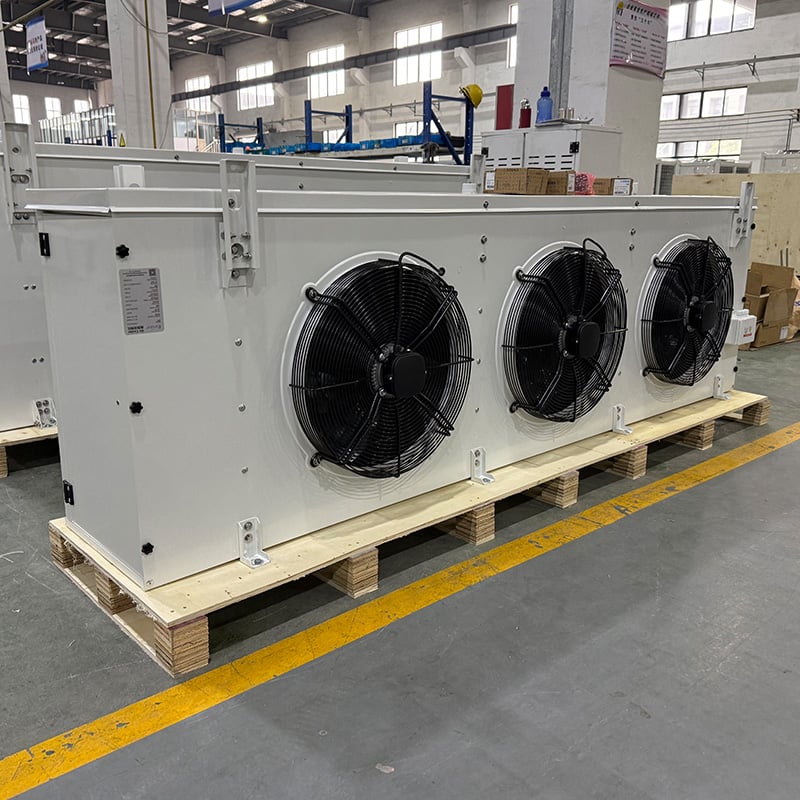
When assessing cooler evaporators, there are several critical factors to keep in mind:
Quality Assurance: Ensure the supplier has a robust quality control process in place. This may include testing for performance metrics, durability, and energy efficiency before products leave the factory.
Customization Capabilities: If your application requires unique specifications, check if the supplier can accommodate custom orders. This could involve specific dimensions, materials, or features tailored to your needs.
Lead Times and Availability: Confirm the supplier's lead times for production and delivery. A reliable supplier should provide clear timelines and be able to handle urgent requests when necessary.
After-Sales Support: Evaluate the level of customer support offered post-purchase. This includes warranty information, maintenance guidance, and accessibility for technical questions.
We have more than 20 years of experience and an experienced R&D EMTH.
A modern plant of over 40000 square meters is in place to meet the majority Ice maker for under counter demands for production.
Special docking is available for a complete system of service. It includes creation of plans, Axial fans, landing plans, and after-sales support.
EMTH has a long-standing track record of success in the industry with more than 3,000 satisfied customers.

Welcome to EMTH, a cold storage refrigeration equipment specialist in China! We offer innovative and effective cold storage solutions, including cold storage, evaporator, condensing unit and ice machine.
Room 304-305B, Building 5, BESHINE B.P, No. 559Zhuyuan Road, Minhang District 201112, Shanghai, China
Copyright © Shanghai EMTH Import & Export Co., Ltd. All Rights Reserved. - Privacy Policy
 EN
 AR
 BG
 HR
 CS
 DA
 NL
 FI
 FR
 DE
 EL
 IT
 JA
 KO
 NO
 PL
 PT
 RO
 RU
 ES
 TL
 IW
 ID
 LT
 SR
 VI
 HU
 TH
 MS
 AZ
 JW
 LO
 MN
 SO
 MY
 KK
 TG
 UZ
 GD
 XH