When it comes to refrigeration solutions, a cooler condensing unit is vital for maintaining optimal temperatures in various commercial and industrial applications. These units play a crucial role in the efficiency and reliability of refrigeration systems, and potential buyers often have several concerns, such as performance, material quality, and application suitability. This article will guide B2B buyers through the essential factors to consider when selecting and evaluating cooler condensing units, ensuring informed purchasing decisions.
Selecting the appropriate cooler condensing unit begins with understanding your specific application requirements. Factors such as cooling capacity, temperature range, and energy efficiency should be prioritized according to the environment where the unit will operate. For instance, a unit designed for a walk-in freezer will have different specifications compared to one intended for a display case.
Buyers should also consider the unit's compatibility with existing systems. It’s essential to evaluate the size and configuration of the condensing unit to ensure it fits within the designated space and aligns with the overall system design. Additionally, customization options may be necessary to meet unique operational demands, and working with a manufacturer that offers tailored solutions can streamline this process.
Another critical consideration is the noise level of the unit, especially in environments where sound may disrupt operations or customer interactions. Manufacturers can provide data on decibel levels, which can help in selecting a unit that meets both performance and noise requirements.
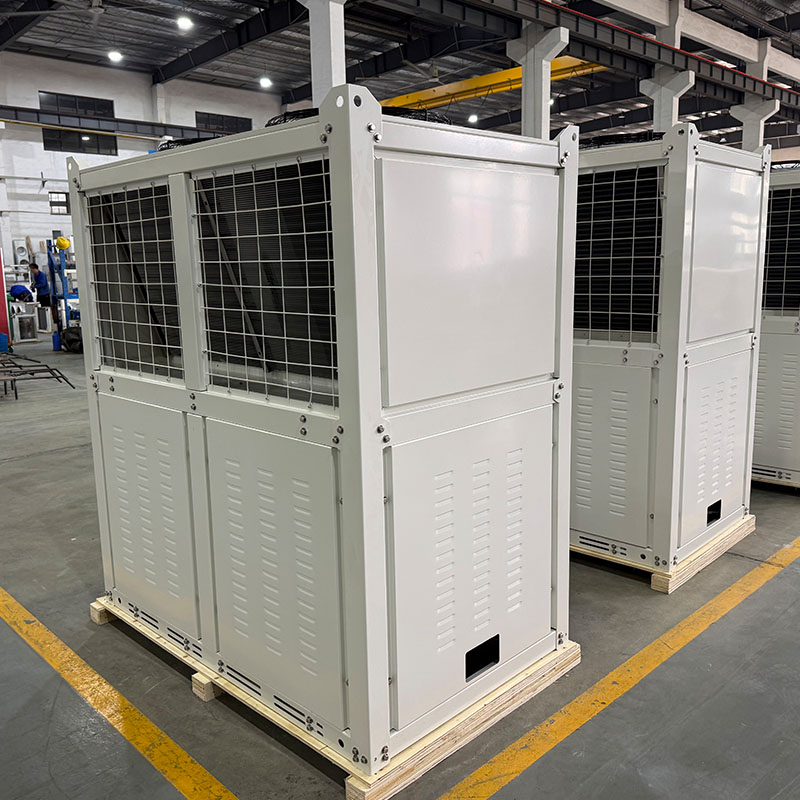
The materials used in the construction of cooler condensing units significantly impact their durability, efficiency, and maintenance requirements. High-quality materials, such as stainless steel and corrosion-resistant coatings, enhance the unit's longevity, particularly in harsh operating environments. For instance, components like the heat exchangers should be made from materials that can withstand thermal cycling and moisture exposure without degrading. Buyers must ensure that the selected materials align with the intended application, as some environments may demand higher resistance to corrosive substances or extreme temperatures.
Additionally, the insulation material within the unit affects energy efficiency. Good insulation minimizes heat transfer, leading to reduced energy consumption and lower operational costs. Buyers should inquire about the insulation thickness and material used, as these factors are critical for optimizing performance. Moreover, integrating components like an Air Curtain can further enhance energy efficiency and temperature control.
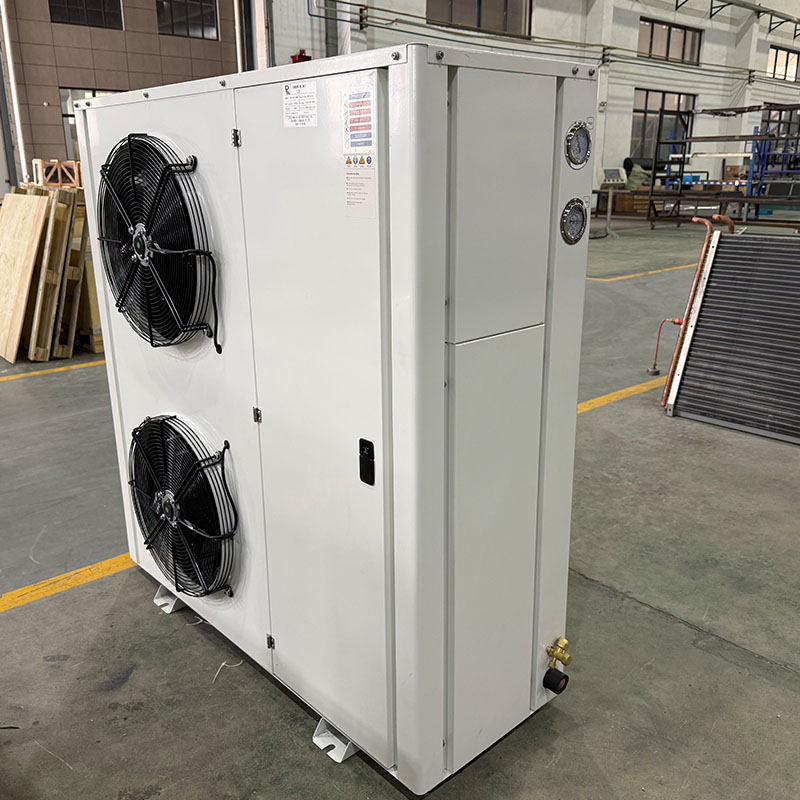
Cooler condensing units are utilized across diverse industries, each with specific performance requirements. Here are some common applications:
Food and Beverage Industry: In restaurants, supermarkets, and warehouses, condensing units are essential for preserving perishable goods. Units must maintain precise temperature controls to prevent spoilage.
Pharmaceutical Sector: For the storage of vaccines and medications, reliable cooling is critical. Condensing units must adhere to strict regulations regarding temperature stability and monitoring.
HVAC Systems: In commercial HVAC applications, these units play a vital role in chillers for air conditioning systems. Energy efficiency and reliability are paramount in this context.
Industrial Refrigeration: Manufacturing plants that require large-scale cooling processes rely on robust condensing units to regulate temperatures during production and storage.
Understanding the specific demands of your industry will aid in selecting a cooler condensing unit that meets operational needs. Collaborating with a knowledgeable supplier can ensure that suitable units are recommended based on application-specific requirements.
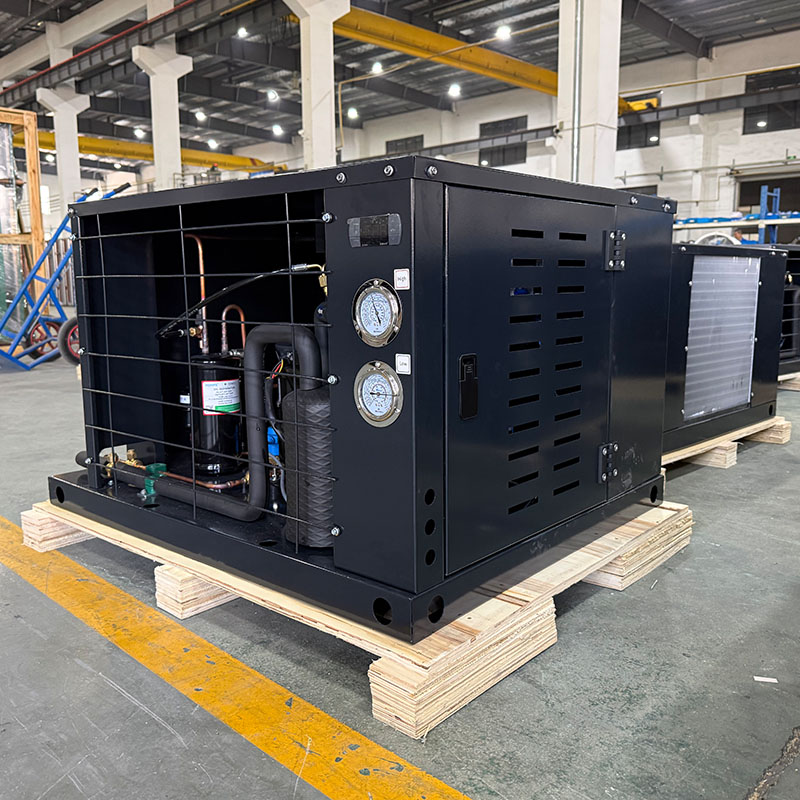
When preparing to purchase a cooler condensing unit, buyers should gather essential information to facilitate the decision-making process. Key considerations include:
Specifications: Be clear on the required cooling capacity, operating temperature range, and any specific features needed for your application, like variable speed drives or remote monitoring capabilities.
Customization Needs: If your application requires specific dimensions, configurations, or materials, communicate these needs to the manufacturer early in the process to explore customization options.
Quality Control Processes: Ask potential suppliers about their quality assurance protocols. Understanding their testing methods and certifications can provide confidence in the reliability of the units.
Lead Times and Pricing: Discuss lead times for production and shipping to ensure they align with your project timelines. Also, clarify pricing structures and any potential costs associated with customization or additional features.
By preparing this information in advance, buyers can engage in more productive discussions with manufacturers and obtain accurate quotations tailored to their needs.
With a great reputation in the industry with over 3,000+ clients served, EMTH EMTH is a trustworthy known and dependable supplier that has been recognized by other clients.
More than 20 years of' experience and an experienced R&D EMTH team.
A modern factory of over 40000 square meters is in place to meet the majority of the EMTH production needs.
Special docking is offered to provide a full range of service. This includes the creation of Cuber ice machine, production installations, landing plans, and after-sales support.

Welcome to EMTH, a cold storage refrigeration equipment specialist in China! We offer innovative and effective cold storage solutions, including cold storage, evaporator, condensing unit and ice machine.
Room 304-305B, Building 5, BESHINE B.P, No. 559Zhuyuan Road, Minhang District 201112, Shanghai, China
Copyright © Shanghai EMTH Import & Export Co., Ltd. All Rights Reserved. - Privacy Policy
 EN
 AR
 BG
 HR
 CS
 DA
 NL
 FI
 FR
 DE
 EL
 IT
 JA
 KO
 NO
 PL
 PT
 RO
 RU
 ES
 TL
 IW
 ID
 LT
 SR
 VI
 HU
 TH
 MS
 AZ
 JW
 LO
 MN
 SO
 MY
 KK
 TG
 UZ
 GD
 XH