When sourcing cooler condensers, understanding the various factors that influence pricing is crucial for B2B buyers. Cooler condenser prices can vary significantly based on numerous variables, including materials, manufacturing processes, and supplier reliability. This article will guide purchasing managers, distributors, and engineers through essential considerations when comparing cooler condenser prices, ensuring they make informed decisions that align with their operational needs.
When evaluating cooler condenser prices, especially for bulk orders, several key factors must be considered:
Specifications and Performance Requirements: Determine the specific requirements for your application, including cooling capacity, dimensions, and compatibility with existing systems. For instance, a cooler condenser designed for high-temperature environments will differ in material and design from one intended for standard conditions.
Material Selection: The type of materials used in the condenser can significantly affect the price. Common materials include aluminum and copper, each offering different thermal conductivities and durability levels. For example, copper condensers generally provide better thermal efficiency but may have a higher initial cost compared to aluminum. Additionally, products like Refrigeration Accessories can influence overall performance and cost.
Manufacturing Processes: Assess the manufacturing capabilities of potential suppliers. A supplier with advanced production techniques, such as automated assembly and rigorous quality control, may offer more reliable products, potentially justifying a higher price point.
Customization Options: Consider whether custom specifications are necessary for your application. Custom designs may involve additional costs but can be essential for specific performance requirements.
Minimum Order Quantities (MOQ): Understand the MOQ set by suppliers, as this can impact overall pricing. Suppliers may offer discounts for larger orders, so it’s important to weigh the benefits of bulk purchasing against your immediate needs.
By carefully considering these factors, buyers can make more informed comparisons that align with their operational requirements and budget constraints.
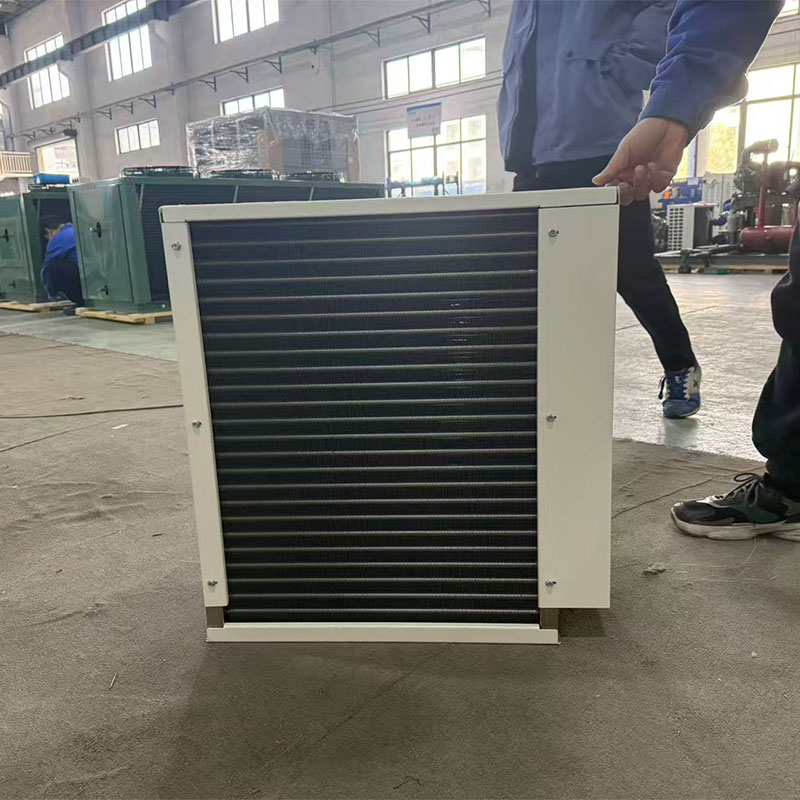
Finding reliable suppliers for cooler condensers involves several strategic steps:
Industry Research: Start by researching manufacturers with a solid reputation in the refrigeration equipment industry. Look for companies like Shanghai EMTH, which boasts over 20 years of experience and holds multiple patents in refrigeration technology.
Trade Shows and Exhibitions: Attend relevant industry trade shows and exhibitions where manufacturers showcase their products. This provides an opportunity to meet suppliers face-to-face, evaluate their products, and discuss your specific needs.
Online Marketplaces and Directories: Utilize B2B online marketplaces and directories to find potential suppliers. Platforms like Alibaba and ThomasNet allow you to filter suppliers based on their product offerings and customer reviews, helping you identify reputable options.
Certifications and Quality Assurance: Verify any industry certifications that suppliers may have, as these can indicate adherence to quality standards. Certifications relevant to refrigeration equipment include ISO 9001 for quality management and CE marking for compliance with EU standards.
Customer References and Reviews: Request references from previous customers to gauge the supplier's reliability and product quality. Reading reviews can provide insights into other buyers' experiences with the supplier.
By leveraging these resources, buyers can identify trustworthy suppliers who meet their quality and performance requirements.
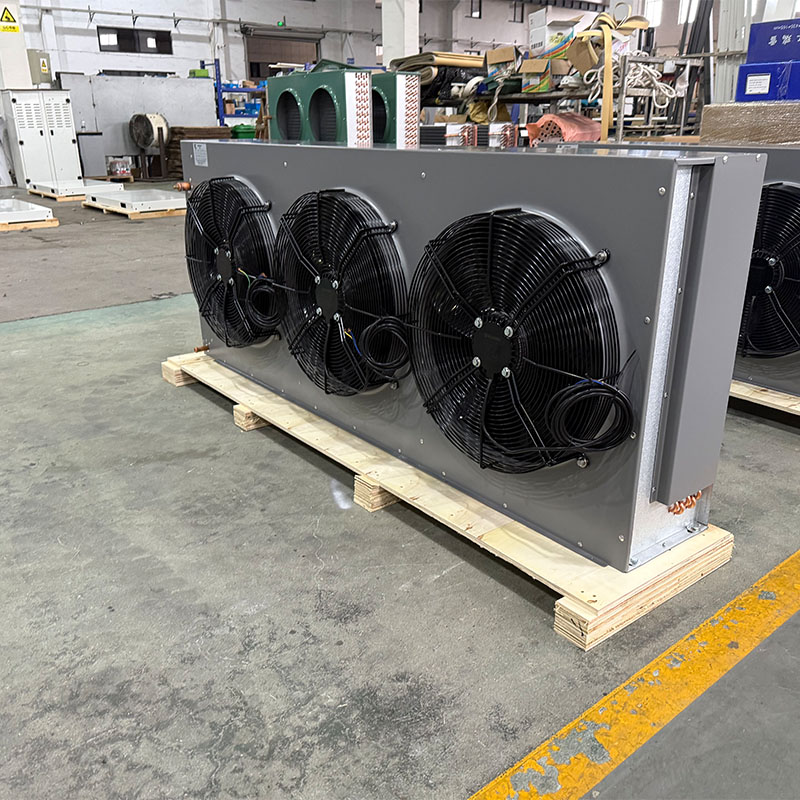
The materials used in cooler condenser manufacturing play a pivotal role in determining their effectiveness and longevity:
Aluminum vs. Copper: Aluminum is lightweight, resistant to corrosion, and generally less expensive, making it a popular choice for many applications. However, copper offers superior thermal conductivity, which can lead to better performance in high-efficiency applications. Buyers should evaluate their specific cooling needs and cost considerations when choosing between these materials. Moreover, understanding the differences between various Condenser types can aid in making better purchasing decisions.
Coil Design and Surface Treatment: The design of the condenser coils and any surface treatments applied can also affect performance. Enhanced surface treatments can improve heat transfer efficiency and increase resistance to corrosion. Buyers should inquire about these options, especially for applications in harsh environments.
Construction Quality: Evaluate the construction quality of the condensers. Well-constructed units with tight seals and robust joints will perform better over time and require less maintenance. Understanding the manufacturing process can provide insights into overall quality.
By carefully evaluating these material advantages, buyers can select condensers that not only fit their budget but also meet their performance requirements.
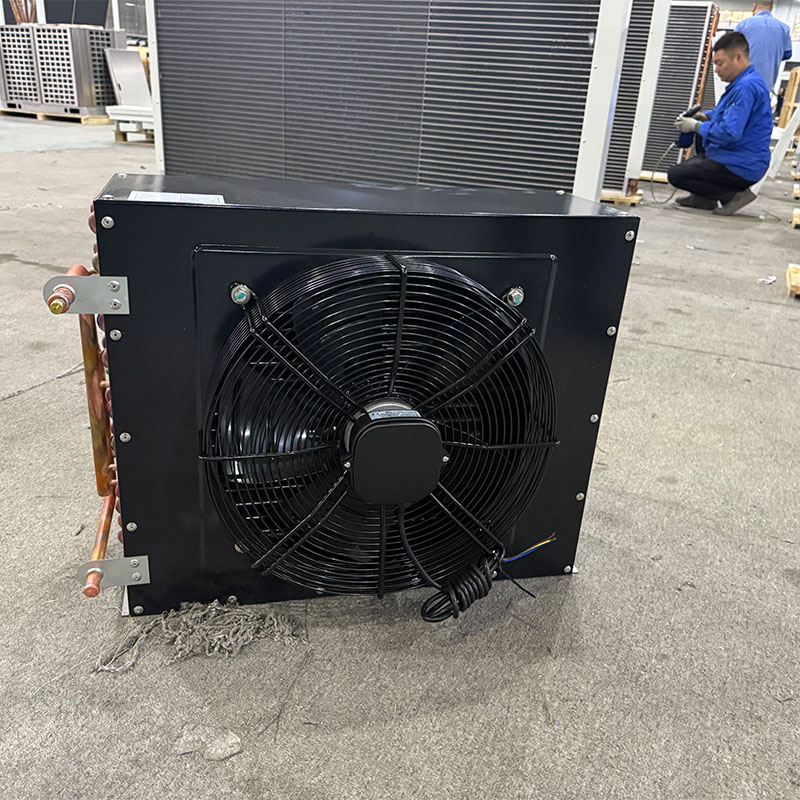
Proper installation and maintenance of cooler condensers are essential for optimal performance and longevity:
Installation Location: Choose an appropriate installation site that allows for adequate airflow and minimizes exposure to extreme weather conditions. Overheating can significantly reduce condenser efficiency.
Follow Manufacturer Guidelines: Always adhere to the manufacturer's installation guidelines. This includes ensuring that the unit is leveled correctly and that all connections are secure. Improper installation can lead to operational inefficiencies and increased wear.
Regular Maintenance Checks: Implement a regular maintenance schedule that includes cleaning the condenser coils, checking refrigerant levels, and inspecting for leaks. Regular maintenance helps to prevent larger problems and extends the lifecycle of the equipment.
Training for Personnel: Ensure that personnel responsible for operating and maintaining the condensers receive proper training. Understanding how to monitor performance and conduct routine checks can mitigate issues before they escalate.
By prioritizing proper installation and maintenance practices, buyers can maximize the efficiency and lifespan of their cooler condensers.
With more than 20 years of knowledge, we've developed a a complete production and sales and after-sales process with more than 20 patent certificates and a skilled R&D EMTH team.
EMTH EMTH has a track record in the field with over 3,000+ happy customers.
Complete service program, from formulating of plans to the production and Cooling room, to after-sales service, there are specific docking.
A modern factory of over 40000 square meters is in place to satisfy the majority of Condensing units requirements.

Welcome to EMTH, a cold storage refrigeration equipment specialist in China! We offer innovative and effective cold storage solutions, including cold storage, evaporator, condensing unit and ice machine.
Room 304-305B, Building 5, BESHINE B.P, No. 559Zhuyuan Road, Minhang District 201112, Shanghai, China
Copyright © Shanghai EMTH Import & Export Co., Ltd. All Rights Reserved. - Privacy Policy
 EN
 AR
 BG
 HR
 CS
 DA
 NL
 FI
 FR
 DE
 EL
 IT
 JA
 KO
 NO
 PL
 PT
 RO
 RU
 ES
 TL
 IW
 ID
 LT
 SR
 VI
 HU
 TH
 MS
 AZ
 JW
 LO
 MN
 SO
 MY
 KK
 TG
 UZ
 GD
 XH