When sourcing condensing units for sale, understanding their specifications, applications, and quality factors is crucial for B2B buyers, including purchasing managers and engineers. Condensing units play a vital role in refrigeration systems, affecting efficiency and overall performance. This article will guide you through essential specifications, cost factors, industry applications, material advantages, and wholesale purchasing tips to help you make informed decisions in your procurement process.
When evaluating condensing units, several key specifications should be considered to ensure compatibility with your refrigeration needs:
Cooling Capacity: Measured in BTU/h or kW, this indicates the unit's ability to cool a specific volume. It’s essential to match this to the demands of your application to avoid under or over-sizing the system.
Compressor Type: Different compressors (reciprocating, scroll, or rotary) offer varying efficiencies and operational characteristics. The choice of compressor can significantly impact energy consumption and maintenance needs.
Refrigerant Type: Common refrigerants include R-404A and R-410A. The selected refrigerant must be compatible with your system and compliant with environmental regulations.
Operating Temperature Range: Ensure that the condensing unit can operate efficiently within the temperature ranges required for your specific application.
Dimensions and Weight: The physical size and weight of the unit are crucial for installation considerations and should fit within the designated space.
Energy Efficiency Ratings: Look for units with high SEER (Seasonal Energy Efficiency Ratio) or EER (Energy Efficiency Ratio) ratings to reduce operational costs.
Understanding these specifications will empower buyers to select a condensing unit that meets both performance and efficiency requirements.
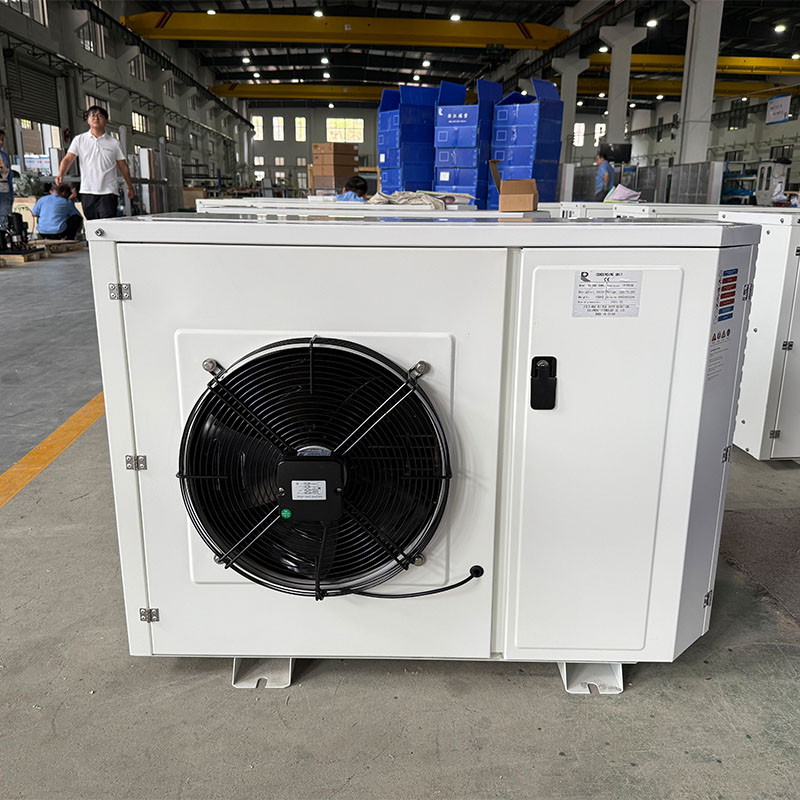
Sourcing condensing units involves several cost considerations that can influence the overall investment:
Initial Purchase Price: While it's tempting to opt for the lowest-priced unit, consider the long-term operational costs associated with energy efficiency and maintenance.
Installation Costs: Depending on the complexity of the installation, costs can vary. It’s essential to factor in whether professional installation is required and any associated labor costs.
Operational Costs: Energy consumption will vary by unit efficiency. High-efficiency models may have a higher upfront cost but can lead to significant savings in energy bills over time.
Maintenance and Warranty: Consider the manufacturer’s warranty and the expected lifespan of the unit. A longer warranty may indicate higher confidence in the product's durability and reliability.
Replacement Parts Availability: Ensure that replacement parts are readily available and affordable to minimize downtime and repair costs.
Customization Needs: Custom features can increase the cost but might be necessary for specific applications. Evaluate the necessity of these features against your budget.
Understanding these cost factors helps buyers evaluate the total cost of ownership rather than just the initial purchase price. Additionally, considering refrigeration accessories can also enhance the overall efficiency and effectiveness of your condensing unit.
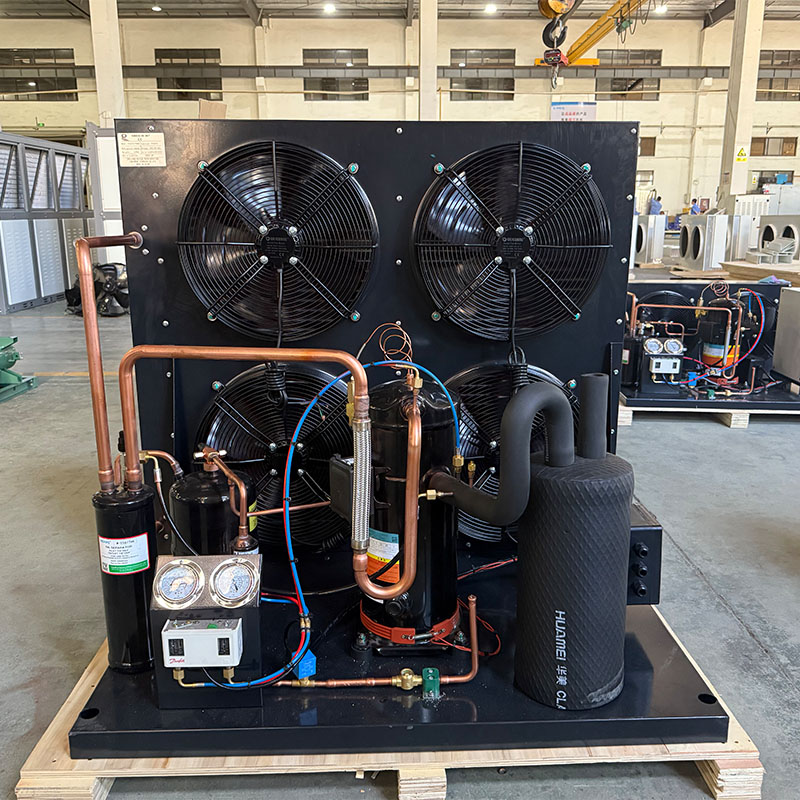
Condensing units find applications across diverse industries, each with unique requirements:
Food and Beverage: In commercial refrigeration, condensing units are critical for maintaining low temperatures in storage and display cases, ensuring product integrity and safety.
Cold Storage Facilities: These units are essential for large-scale cold storage operations, where precise temperature control is vital for preserving perishable goods.
HVAC Systems: In heating, ventilation, and air conditioning, condensing units are employed to provide cooling solutions in commercial buildings, enhancing comfort and air quality.
Pharmaceuticals: Precise temperature management is crucial in pharmaceutical storage to maintain the efficacy of sensitive products.
Industrial Refrigeration: Industries such as chemical processing and manufacturing utilize condensing units for process cooling and heat exchange applications.
Understanding the specific needs of your industry will help you choose the right condensing unit to ensure optimal performance. For instance, the integration of evaporators can further optimize the refrigeration process.
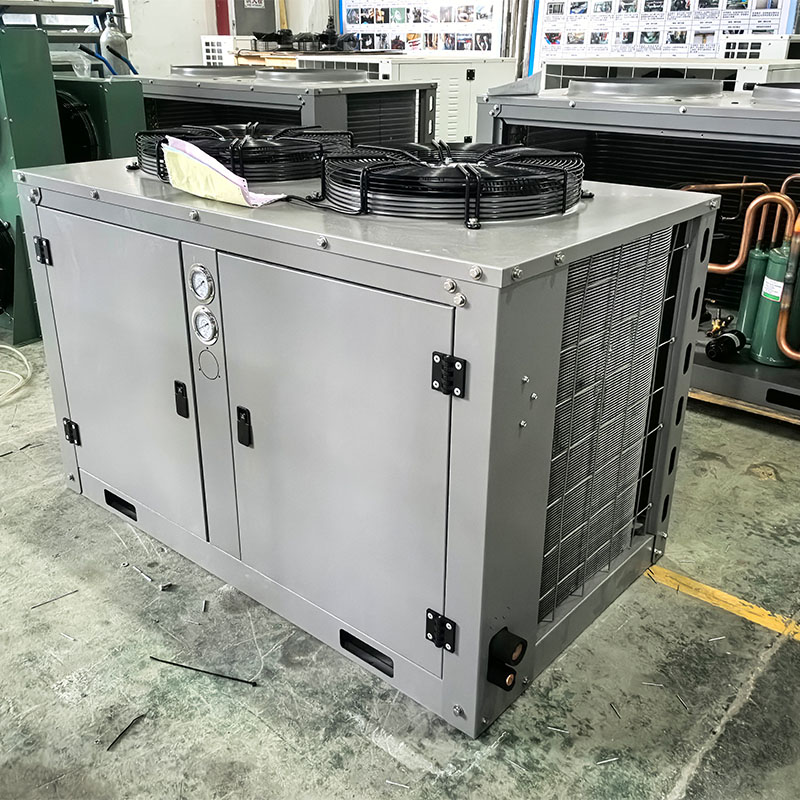
The materials used in manufacturing condensing units significantly affect their performance and longevity. Here are key material considerations:
Copper vs. Aluminum: Copper is often preferred in heat exchangers due to its superior thermal conductivity, while aluminum is lighter and resistant to corrosion. The choice between these materials can impact efficiency and maintenance.
Coating Treatments: Condensing units exposed to corrosive environments may require specialized coatings to enhance durability. Consider units with protective treatments for extended lifespan.
Insulation Materials: Quality insulation materials can improve energy efficiency by minimizing heat loss, which is essential for maintaining optimal operational temperatures.
Structural Integrity: The overall construction quality affects the unit's resilience to mechanical stress and environmental factors. Ensuring robust design will lead to fewer operational issues.
By understanding the advantages of various materials, buyers can make informed decisions that align with their operational requirements and budget.
EMTH EMTH has a track record in the field with over 3,000+ happy customers.
Complete service program, from formulating of plans to the production and Cooling room, to after-sales service, there are specific docking.
Over 20 years of experience, we have the complete sales and after-sales systems with more than 20 patents and a professional R&D EMTH team.
A modern factory of over 40000 square meters is in place to meet the majority of the EMTH production needs.

Welcome to EMTH, a cold storage refrigeration equipment specialist in China! We offer innovative and effective cold storage solutions, including cold storage, evaporator, condensing unit and ice machine.
Room 304-305B, Building 5, BESHINE B.P, No. 559Zhuyuan Road, Minhang District 201112, Shanghai, China
Copyright © Shanghai EMTH Import & Export Co., Ltd. All Rights Reserved. - Privacy Policy
 EN
 AR
 BG
 HR
 CS
 DA
 NL
 FI
 FR
 DE
 EL
 IT
 JA
 KO
 NO
 PL
 PT
 RO
 RU
 ES
 TL
 IW
 ID
 LT
 SR
 VI
 HU
 TH
 MS
 AZ
 JW
 LO
 MN
 SO
 MY
 KK
 TG
 UZ
 GD
 XH