When selecting refrigeration equipment for commercial or industrial applications, understanding the nuances of condenser coolers is essential. A condenser cooler plays a critical role in the refrigeration cycle by dissipating heat from refrigerants, ensuring efficient cooling performance. B2B buyers, including purchasing managers and engineers, often seek reliable solutions that balance performance, durability, and cost-effectiveness. This article will guide you in making informed decisions about choosing, sourcing, and maintaining condenser coolers, while also addressing common issues and their solutions.
Choosing the right condenser cooler involves evaluating specific project requirements, including the operational environment, cooling capacity, and system compatibility. Start by determining the required cooling load, which is influenced by factors such as the heat generated by equipment, ambient temperature, and the specific cooling application.
Next, consider the type of condenser cooler that will best suit your needs. There are various designs available, including air-cooled, water-cooled, and evaporative condensers. Air-cooled models are often preferred for their lower installation costs and ease of maintenance, while water-cooled options may offer better efficiency in certain high-load applications. Additionally, air curtains can be an effective solution for enhancing efficiency in such setups.
It's also crucial to assess the physical dimensions of the condenser cooler. Ensure it fits within your available space and meets any local regulations regarding noise and emissions. Finally, consider the manufacturer’s reputation and experience in the industry, as this can impact the reliability and longevity of the equipment.
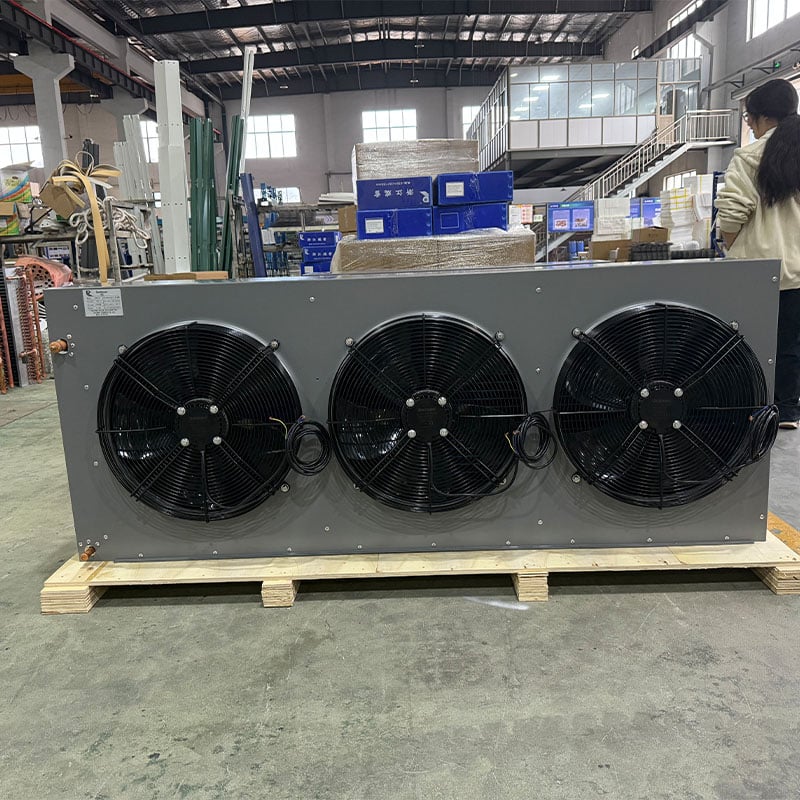
When sourcing condenser coolers, several key specifications should be carefully evaluated:
Cooling Capacity: Measured in BTUs or kilowatts, this indicates the amount of heat the unit can dissipate. Ensure the capacity aligns with your project requirements to avoid underperformance or energy inefficiencies.
Material Selection: The materials used in construction affect durability and corrosion resistance. Common materials include galvanized steel, stainless steel, and aluminum. Stainless steel is often recommended for environments with high humidity or corrosive substances.
Dimensions: Size matters—not just for fitting in your designated area but also for ensuring optimal airflow and heat exchange. Verify that the selected unit’s dimensions align with your installation space and operational needs.
Operating Environment: Consider temperature ranges and environmental factors like humidity, dust, and exposure to chemicals. Condenser coolers designed for harsh conditions may require special coatings or materials.
Energy Efficiency Ratings: Look for units with high energy efficiency ratings. Higher efficiency not only reduces operating costs but can also lead to fewer emissions, which is increasingly important in today’s regulatory landscape.
Noise Levels: For applications in noise-sensitive environments, review the sound ratings of the condenser cooler to ensure compliance with local noise regulations.
Certifications: Verify any industry certifications that may apply, such as CE, UL, or ISO standards, which can indicate compliance with safety and quality benchmarks.
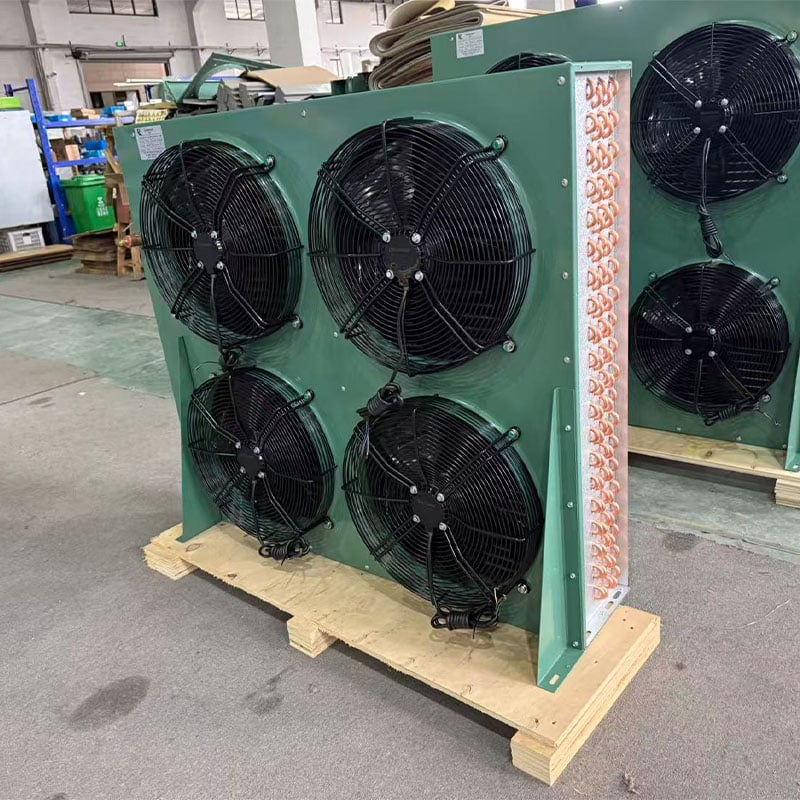
Finding a reputable supplier for condenser coolers involves a few strategic steps. Start by researching manufacturers with a proven track record in the refrigeration equipment industry. Look for companies that have extensive experience, such as Shanghai EMTH, which has over 20 years of expertise and numerous patents in refrigeration technology.
Consider attending industry trade shows or networking events where you can meet suppliers in person and evaluate their offerings. Online directories and industry forums can also serve as valuable resources for identifying potential suppliers.
Once you have a shortlist, request quotes and compare not only prices but also factors like lead times, service offerings, and warranties. It is also wise to check references or read reviews from other customers to gauge their satisfaction with the supplier’s products and services.
After narrowing your choices, ask potential suppliers about their quality control processes and manufacturing capabilities. Understanding how they ensure product quality can give you confidence in your purchasing decision.
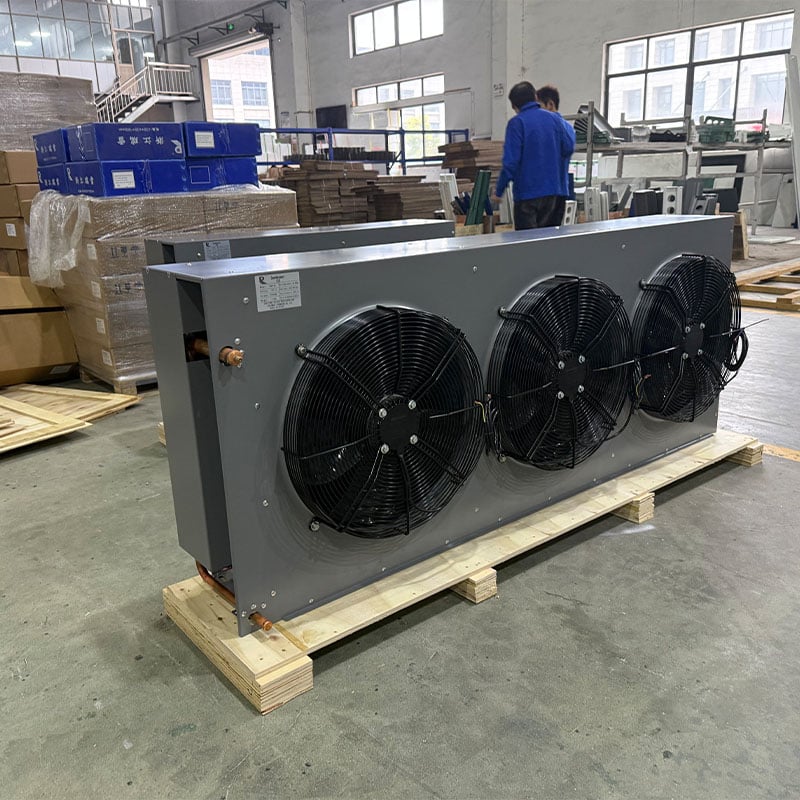
Despite their reliability, condenser coolers can encounter several common issues. Here are some typical problems and their solutions:
Poor Cooling Performance: This can occur due to inadequate airflow or dirty coils. Regular maintenance, including cleaning the coils and ensuring proper airflow, can mitigate this issue.
Refrigerant Leaks: Leaks can lead to performance drops and increased energy consumption. Conduct routine inspections and ensure proper installation to minimize risks. Any detected leaks should be promptly repaired by qualified personnel.
Noise Issues: Excessive noise can stem from loose components or worn-out fans. Regularly inspect and tighten components, and replace any malfunctioning parts to maintain operational noise levels.
Corrosion: In environments with high humidity or chemical exposure, corrosion can compromise the cooler’s integrity. Selecting corrosion-resistant materials and applying protective coatings can help extend the unit's lifespan.
Electrical Failures: Issues with electrical connections or controls can lead to system failures. Regularly check wiring and connections, and ensure that electrical components are compatible with the cooler’s specifications.
More than 20 years of' experience and an experienced R&D EMTH team.
The modern factory has an area greater than 40,000 square meters, to satisfy the majority of the EMTH production requirements.
With a good reputation in the industry and more than 3,000 clients who have been served, Condensing unit is a trustworthy established supplier that has been recognized by other customers.
Special docking is available for a complete system of service. It includes creation of plans, Ice cube machine, landing plans, and after-sales support.

Welcome to EMTH, a cold storage refrigeration equipment specialist in China! We offer innovative and effective cold storage solutions, including cold storage, evaporator, condensing unit and ice machine.
Room 304-305B, Building 5, BESHINE B.P, No. 559Zhuyuan Road, Minhang District 201112, Shanghai, China
Copyright © Shanghai EMTH Import & Export Co., Ltd. All Rights Reserved. - Privacy Policy
 EN
 AR
 BG
 HR
 CS
 DA
 NL
 FI
 FR
 DE
 EL
 IT
 JA
 KO
 NO
 PL
 PT
 RO
 RU
 ES
 TL
 IW
 ID
 LT
 SR
 VI
 HU
 TH
 MS
 AZ
 JW
 LO
 MN
 SO
 MY
 KK
 TG
 UZ
 GD
 XH