A condenser chiller system is an essential component in industrial refrigeration, widely utilized for cooling applications across various sectors. As a purchasing manager or engineer, understanding the specifications, applications, and installation requirements of these systems is crucial for making informed decisions. This article aims to provide insights into sourcing reliable suppliers, key specifications to compare, best applications, installation guidance, and common problems along with their solutions, ensuring you have the knowledge necessary to select the right condenser chiller system for your needs.
Finding a reliable supplier for condenser chiller systems can significantly impact the quality and efficiency of your cooling operations. Start by identifying manufacturers with a solid reputation, extensive experience, and proven expertise in refrigeration equipment. Look for suppliers that have been in the industry for a substantial period, as this often correlates with quality and reliability.
Consider manufacturers that hold patents and certifications, which indicate innovation and adherence to industry standards. For instance, Shanghai EMTH, a branch of Zhejiang RUIXUE, has over 20 years of experience and 20 patents in the field of refrigeration equipment. Engaging with suppliers who provide one-stop cold room solutions can also streamline your procurement process, as they typically offer comprehensive services from design to installation, including essential refrigeration accessories.
Networking within industry associations, attending trade shows, and leveraging online platforms like LinkedIn can also help connect you with reputable suppliers. Always request references and case studies to verify a supplier's track record and ensure they can meet your specific requirements.
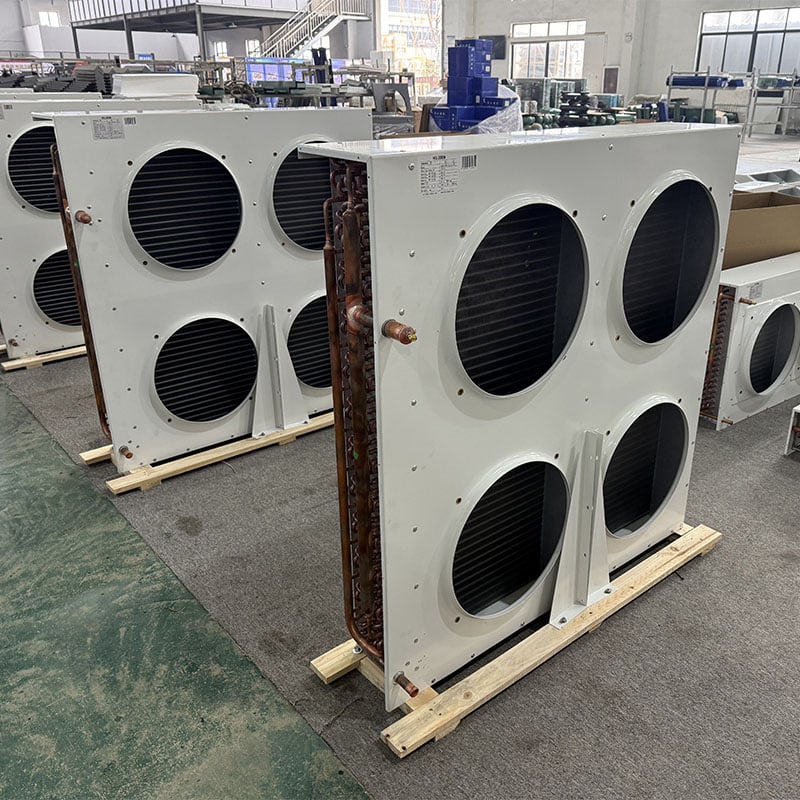
When evaluating condenser chiller systems, several specifications are critical for determining suitability. Key specifications to consider include:
Cooling Capacity: Measure in tons or kilowatts, this indicates the system's ability to remove heat. Ensure the capacity aligns with your application needs to avoid underperformance or excess energy usage.
Energy Efficiency Ratio (EER): A higher EER indicates better energy efficiency. This affects operational costs and sustainability, making it a crucial factor for long-term investments.
Refrigerant Type: Common refrigerants include R-410A and R-134A. The choice of refrigerant impacts the system's environmental footprint and regulatory compliance. Verify that the refrigerant meets local regulations.
Compressor Type: Scroll, reciprocating, and screw compressors have different performance characteristics. Choose based on efficiency, maintenance needs, and operational conditions.
Noise Levels: Measured in decibels (dB), this can be vital for installations in noise-sensitive environments. Always confirm the noise levels of the model you consider.
Dimensions and Weight: Ensure that the physical dimensions fit your installation space and that the weight is manageable for your mounting structure.
Control Options: Modern systems may include smart controls that allow for precise temperature management and monitoring, enhancing operational efficiency.
By comparing these specifications, you can find a condenser chiller system that not only meets your technical requirements but also fits within your operational budget.
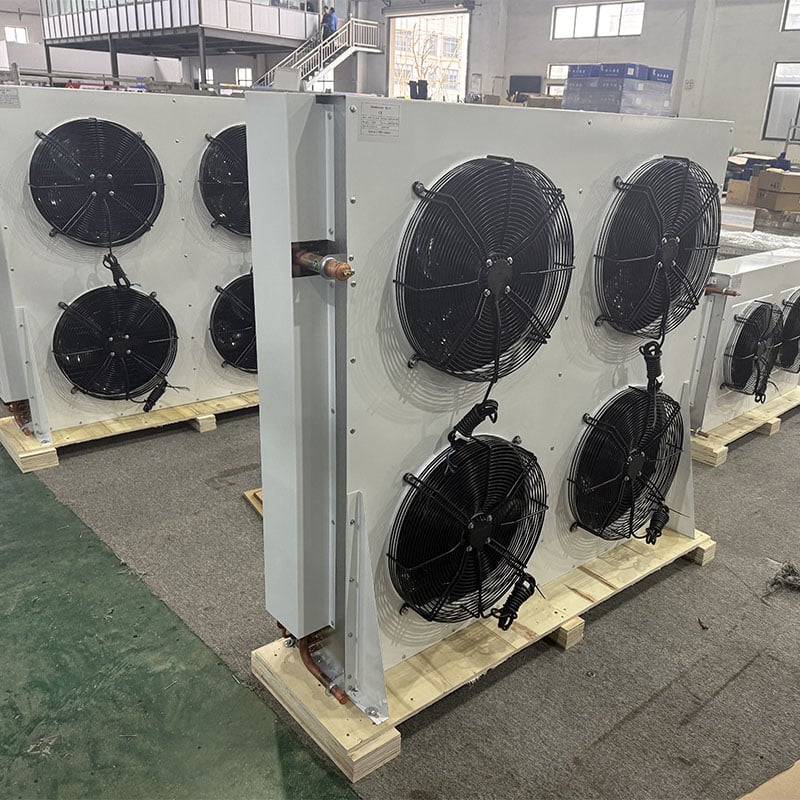
Condenser chiller systems are versatile and find applications across various industries. Some of the most common applications include:
Food and Beverage Processing: Used for cooling during manufacturing and storage, these systems help maintain product quality and safety. Pharmaceutical Manufacturing: Precise temperature control is critical in this sector to ensure product integrity and compliance with regulations. Data Centers: With high heat loads generated by servers, efficient cooling is essential to maintain optimal operating conditions. HVAC Systems: Many commercial buildings utilize condenser chillers as part of their central cooling systems to regulate indoor temperatures. Industrial Processes: Processes such as injection molding, metal production, and chemical processing often require reliable cooling solutions to manage heat generation. Selecting the right condenser chiller system for your application will depend on the specific cooling requirements and operational conditions of your facility.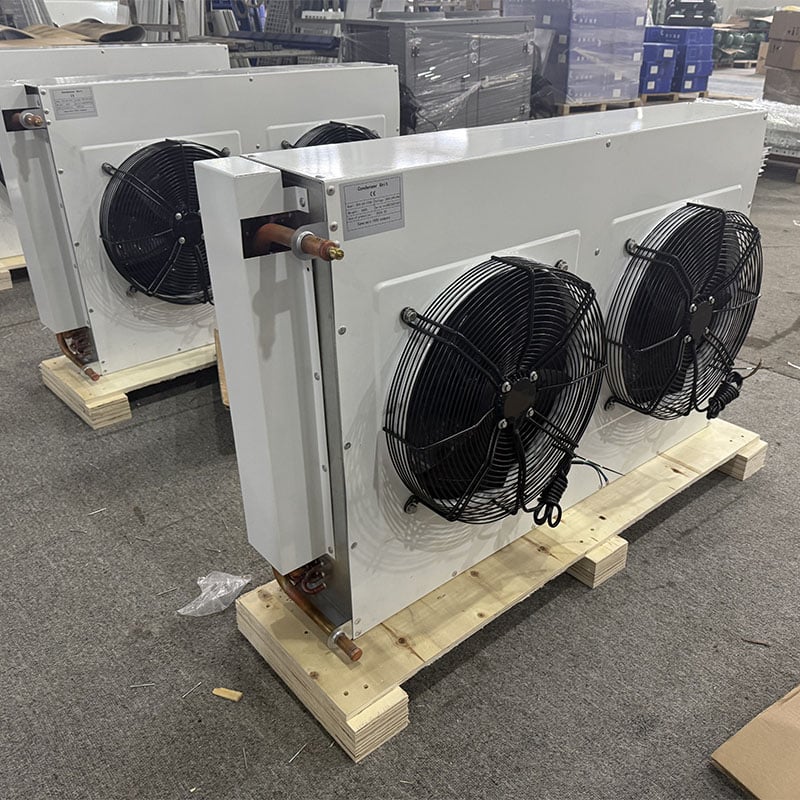
Proper installation of condenser chiller systems is crucial for achieving optimal performance and efficiency. Here are some essential steps to ensure a successful installation:
Site Assessment: Conduct a thorough evaluation of the installation site. Consider factors such as ambient temperature, humidity levels, and proximity to other equipment.
Mounting Considerations: Ensure that the chiller is installed on a stable and level surface. Vibration isolation pads may be necessary to minimize noise and wear.
Proper Piping and Insulation: Use appropriate piping materials that can handle the operating pressures and temperatures. Insulation is vital to prevent energy loss and condensation.
Electrical Connections: Ensure all electrical connections are secure and meet local codes. Consult with a licensed electrician for any electrical work.
System Testing: After installation, conduct thorough testing to check for leaks, proper operation, and efficiency. This should include verifying the cooling capacity and control systems.
Training: Provide training for personnel who will operate and maintain the system, ensuring they understand the controls and maintenance requirements.
Following these guidelines will help ensure that your condenser chiller system operates efficiently and reliably from the outset.
EMTH EMTH has a solid track record in the field, with over 3,000+ happy customers.
A modern plant of over 4000 square meters is in operation to meet the majority Ice maker for commercial production requirements.
We have more than 20 years of experience and an experienced R&D EMTH.
Special docking is available for a complete system of service. It includes creation of plans, Ice cube machine, landing plans, and after-sales support.

Welcome to EMTH, a cold storage refrigeration equipment specialist in China! We offer innovative and effective cold storage solutions, including cold storage, evaporator, condensing unit and ice machine.
Room 304-305B, Building 5, BESHINE B.P, No. 559Zhuyuan Road, Minhang District 201112, Shanghai, China
Copyright © Shanghai EMTH Import & Export Co., Ltd. All Rights Reserved. - Privacy Policy
 EN
 AR
 BG
 HR
 CS
 DA
 NL
 FI
 FR
 DE
 EL
 IT
 JA
 KO
 NO
 PL
 PT
 RO
 RU
 ES
 TL
 IW
 ID
 LT
 SR
 VI
 HU
 TH
 MS
 AZ
 JW
 LO
 MN
 SO
 MY
 KK
 TG
 UZ
 GD
 XH