In the world of commercial refrigeration, selecting the right commercial cold storage refrigeration unit is crucial for maintaining product integrity and optimizing energy efficiency. This equipment is vital for businesses across various sectors, including food service, pharmaceuticals, and logistics, where temperature control is essential. Buyers often seek to understand the factors influencing performance, costs, and durability, as these directly impact their operations and bottom line. This article will provide insights into what to consider when choosing a refrigeration unit, key specifications to evaluate, comparison techniques, cost factors, and quality assessment criteria.
When selecting a commercial cold storage refrigeration unit, several key considerations must be addressed. First, the intended application significantly influences your choice. Different industries have varying temperature requirements; for example, food storage may require consistent low temperatures, while pharmaceuticals may need precise temperature control to meet regulatory standards. Additionally, incorporating reliable components such as an Air Curtain can improve efficiency by optimizing airflow in storage areas.
Another important factor is the size and layout of your storage space. The unit's dimensions should align with your facility's available space, ensuring you can accommodate all necessary products without compromising airflow or efficiency. Additionally, consider the unit's energy efficiency ratings. High-efficiency models may involve a higher upfront cost but can lead to substantial energy savings over time, making them a more economical choice in the long run.
Lastly, evaluate the manufacturer's reputation and support services. A supplier with extensive experience, like Shanghai EMTH, which has over 20 years in the refrigeration industry, can offer valuable insights and reliable after-sales service, ensuring you have the support needed for maintenance and troubleshooting.
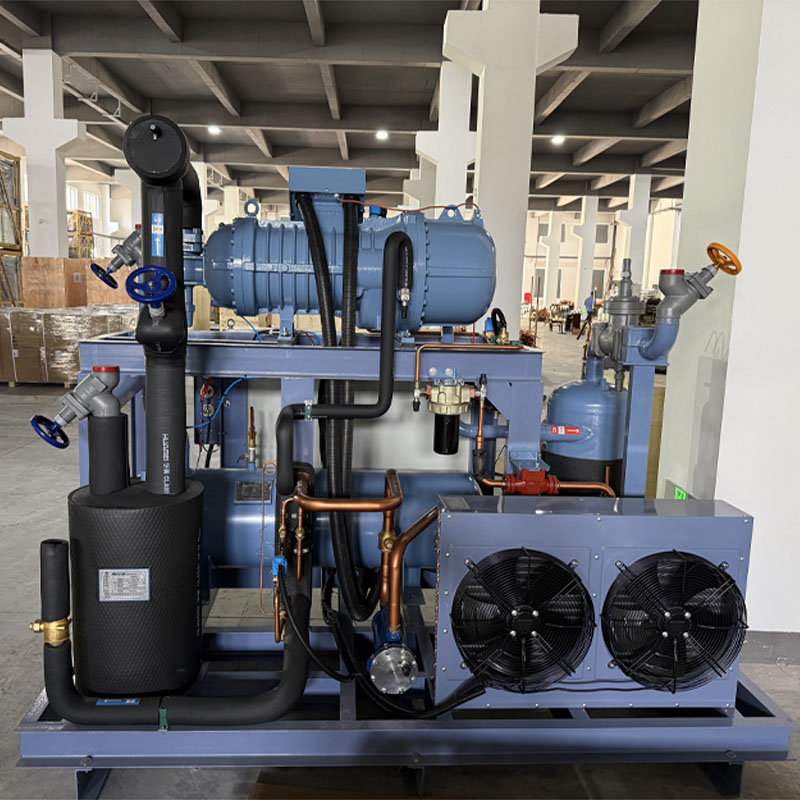
Understanding the key specifications of a commercial cold storage refrigeration unit is essential for making an informed decision. Here are the primary specifications to consider:
Cooling Capacity: Measured in BTUs (British Thermal Units), this indicates the unit's ability to remove heat from the storage area. Ensure the capacity matches your cooling requirements based on the products stored and the ambient temperature.
Temperature Range: Different applications require specific temperature ranges. Verify that the unit can maintain the necessary temperatures throughout its operational range, which may vary from -20°C for deep freeze applications to +10°C for certain food storage.
Material Construction: The materials used in the unit's construction, such as stainless steel or galvanized steel, affect durability and ease of cleaning. Stainless steel, for instance, may provide better resistance to corrosion and is easier to sanitize.
Insulation Thickness: The thickness and type of insulation (e.g., polyurethane foam) impact energy efficiency. Thicker insulation can reduce energy consumption by maintaining the internal temperature more effectively.
Defrost System: Automatic defrost systems can save time and labor costs, minimizing ice buildup and ensuring optimal performance.
Having a clear understanding of these specifications will help you identify the unit that best meets your operational needs and budget constraints.
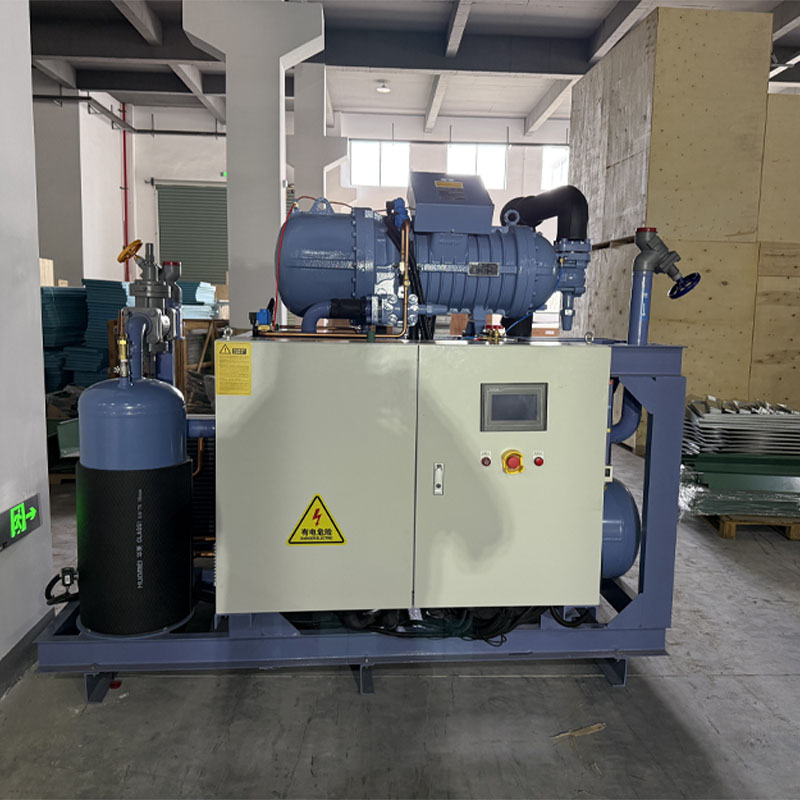
Comparing commercial cold storage refrigeration units requires a systematic approach. Start by creating a checklist of the specifications that matter most for your specific application, such as cooling capacity, temperature range, and energy efficiency.
Next, gather data from multiple suppliers, focusing on their product offerings, warranty terms, and customer reviews. Pay attention to the details of the warranty, as longer coverage may indicate the manufacturer's confidence in their product's reliability.
Another effective method is to request performance data sheets and energy consumption reports from the suppliers. This documentation can provide insights into the expected operational costs, helping you make a cost-effective decision.
Additionally, consider the unit's adaptability. Some refrigeration units may offer modular designs, allowing for future expansions or adjustments based on your business growth. This flexibility can be a valuable asset in a rapidly changing market. Furthermore, the inclusion of advanced components like Solenoid Valves can enhance operational efficiency and reliability.
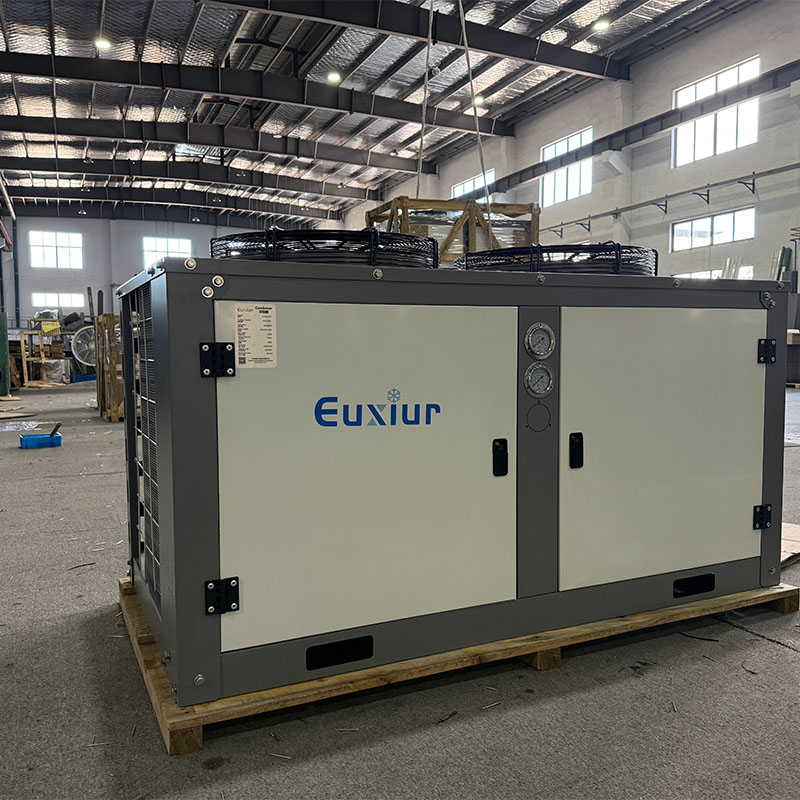
The costs associated with commercial cold storage refrigeration solutions are multifaceted. While the initial purchase price of the unit is a significant factor, several other costs should be considered:
Installation Costs: Depending on the complexity of the installation, you may incur additional expenses. Ensure to factor in the costs of any necessary modifications to your facility, such as electrical work or structural changes.
Operational Costs: Energy consumption is a major ongoing expense. Look for units with high energy efficiency ratings, as these can lead to lower electricity bills over time. Be sure to compare the estimated annual operating costs provided by manufacturers.
Maintenance and Repair: Regular maintenance is crucial for ensuring the longevity of your refrigeration unit. Factor in the potential costs of routine servicing and any repairs that may arise over the unit's lifespan.
Insurance and Compliance Costs: Depending on your industry, you may need to comply with specific regulations regarding temperature control, which could lead to additional costs for monitoring systems or insurance policies.
By understanding these cost factors, you can better evaluate the total cost of ownership and make a more informed purchasing decision.
With more than 20 years of knowledge, we've developed a a complete production and sales and after-sales system with more than 20 patent certificates and a highly skilled R&D EMTH team.
A modern factory of over 40,000 square meters is available to fulfill the majority of EMTH demands for production.
With a strong name in the industry, and over 3,000+ clients served, EMTH EMTH is a trustworthy and reliable supplier who has been recognized by other customers.
With a full service system, from the formulation of plans, production of Condensing units as well as project landing until after-sales assistance, there's special docking.

Welcome to EMTH, a cold storage refrigeration equipment specialist in China! We offer innovative and effective cold storage solutions, including cold storage, evaporator, condensing unit and ice machine.
Room 304-305B, Building 5, BESHINE B.P, No. 559Zhuyuan Road, Minhang District 201112, Shanghai, China
Copyright © Shanghai EMTH Import & Export Co., Ltd. All Rights Reserved. - Privacy Policy
 EN
 AR
 BG
 HR
 CS
 DA
 NL
 FI
 FR
 DE
 EL
 IT
 JA
 KO
 NO
 PL
 PT
 RO
 RU
 ES
 TL
 IW
 ID
 LT
 SR
 VI
 HU
 TH
 MS
 AZ
 JW
 LO
 MN
 SO
 MY
 KK
 TG
 UZ
 GD
 XH