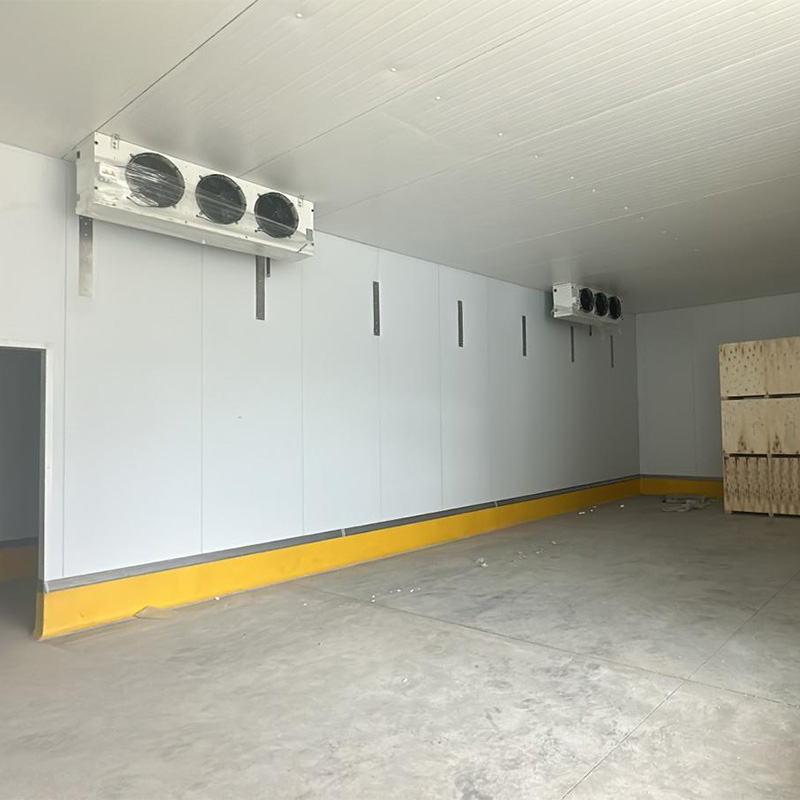
Cold store solutions are essential for businesses that require temperature-controlled environments to preserve perishable goods. These solutions encompass a range of refrigeration equipment, including cold rooms, air coolers, and condensers. As a B2B buyer, understanding how to select the right cold store solutions is crucial for maintaining product integrity, ensuring operational efficiency, and managing costs. This article will explore key considerations when choosing cold store solutions, sourcing reliable suppliers, understanding cost factors, the various applications in different industries, and common issues along with their solutions.
Selecting the right cold store solutions begins with a clear understanding of your specific needs. Consider the following factors:
Storage Capacity: Assess the volume of products that need to be stored. The size of the cold room or refrigeration unit must accommodate current and anticipated inventory levels.
Temperature Requirements: Different products require specific temperature ranges to remain viable. For instance, fresh produce typically requires temperatures between 0°C and 4°C, while frozen goods may need temperatures below -18°C.
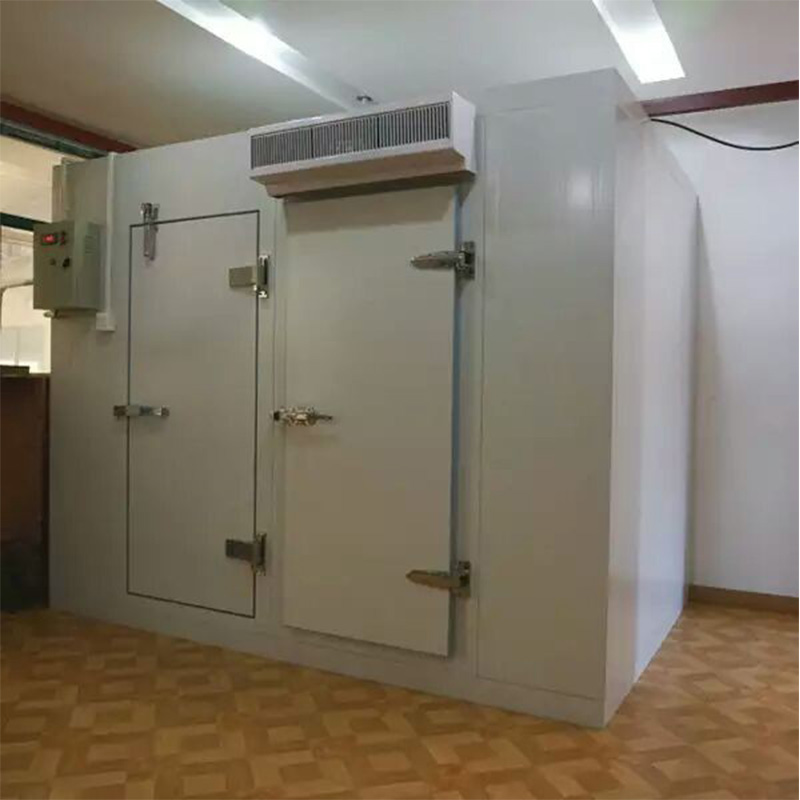
Energy Efficiency: Energy costs can significantly impact your overall operational expenses. Look for solutions with high energy efficiency ratings to minimize costs over time. Air curtains can also help in maintaining temperature by minimizing air exchange.
Customization Needs: Depending on your product specifications, you may require customized solutions. Discuss options with your supplier to tailor the design and functionality of the cold storage system to fit your business.
Compliance and Safety Standards: Ensure that your cold store solutions comply with local regulations and industry standards. This includes ensuring that equipment meets health and safety requirements relevant to your products.
Future Scalability: Consider whether the cold store solutions can be adapted or expanded as your business grows. Modular systems offer flexibility, allowing for future enhancements without significant overhauls.
Identifying trustworthy suppliers is critical to sourcing effective cold store solutions. Start by evaluating potential suppliers based on the following criteria:
Experience and Reputation: Look for suppliers with a proven track record in the industry. Companies like Shanghai EMTH, which has over 20 years of experience and multiple patents for refrigeration equipment, demonstrate reliability and expertise.
Product Range and Customization: A good supplier should offer a wide range of products and the ability to customize solutions to meet specific needs. Verify their capability to handle unique requirements.
Quality Assurance Processes: Investigate the supplier’s quality control measures. A robust quality assurance program ensures that products meet performance and safety standards.
Customer Support: Reliable suppliers provide strong customer support, including installation assistance, ongoing maintenance, and fast response times to inquiries or issues.
References and Reviews: Ask for references from other customers or check online reviews to gauge the supplier’s reputation.
Certifications: Look for suppliers who have relevant certifications that demonstrate their commitment to quality and safety standards.
The cost of cold store solutions can vary widely based on several factors:
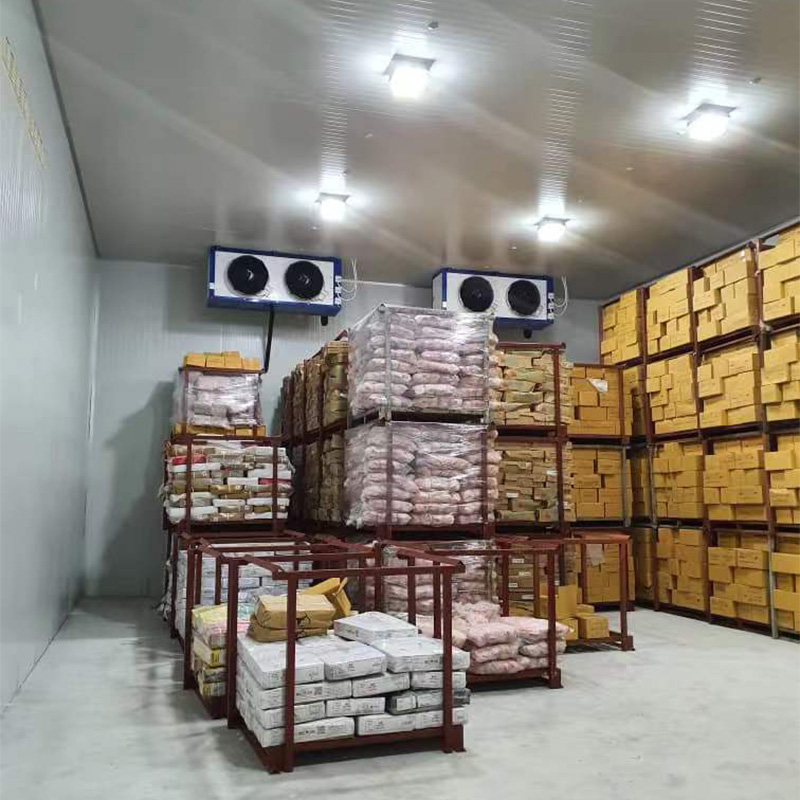
Initial Equipment Costs: This includes the purchase price of air coolers, evaporators, condensers, and other refrigeration units. High-quality equipment may have a higher upfront cost but can lead to lower maintenance and energy costs over time.
Installation Expenses: Consider the costs associated with installing the cold storage system, which may include labor, customization, and any necessary modifications to your facility.
Operational Costs: Energy consumption is a key factor. Look for energy-efficient models that can reduce electricity bills, as well as maintenance costs over the lifespan of the equipment.
Warranty and Service Agreements: Factor in the costs of warranty coverage and maintenance agreements, which can provide peace of mind and reduce unexpected repair expenses.
Lifecycle Costs: Evaluate the total cost of ownership, including anticipated repairs and replacements. Investing in durable, high-quality equipment can often yield better long-term savings.
Cold store solutions play a vital role across multiple industries. Here are some common applications:
Food and Beverage: Restaurants, grocery stores, and food processing plants use cold storage to keep perishables at safe temperatures, preserving freshness and preventing spoilage.
Pharmaceuticals: The pharmaceutical industry relies on cold storage for the preservation of temperature-sensitive medications and vaccines, which require strict temperature controls to maintain efficacy.
Floral and Horticultural: Florists and nurseries use cold storage to keep flowers and plants fresh, extending their shelf life and ensuring quality for customers.
Chemical and Industrial: Certain chemicals require refrigerated environments to maintain stability and safety. Cold storage solutions provide essential temperature control in these applications.
Logistics and Warehousing: Cold chain logistics depend on effective cold storage solutions to manage the transportation and storage of temperature-sensitive products throughout the supply chain.
With a good reputation in the industry and more than 3,000 clients who have been served, Condensing unit is a trustworthy established supplier that has been recognized by other customers.
A modern factory of over 40,000 square meters is available to fulfill the majority of EMTH demands for production.
Special docking is offered to provide a full range of service. This includes the creation of Cuber ice machine, production installations, landing plans, and after-sales support.
We have more than 20 years of experience and a highly skilled R&D EMTH staff.

Welcome to EMTH, a cold storage refrigeration equipment specialist in China! We offer innovative and effective cold storage solutions, including cold storage, evaporator, condensing unit and ice machine.
Room 304-305B, Building 5, BESHINE B.P, No. 559Zhuyuan Road, Minhang District 201112, Shanghai, China
Copyright © Shanghai EMTH Import & Export Co., Ltd. All Rights Reserved. - Privacy Policy
 EN
 AR
 BG
 HR
 CS
 DA
 NL
 FI
 FR
 DE
 EL
 IT
 JA
 KO
 NO
 PL
 PT
 RO
 RU
 ES
 TL
 IW
 ID
 LT
 SR
 VI
 HU
 TH
 MS
 AZ
 JW
 LO
 MN
 SO
 MY
 KK
 TG
 UZ
 GD
 XH