Cold room equipment is essential for various industries that require temperature-sensitive storage solutions. As a crucial component in the supply chain, these systems help maintain the quality and safety of perishable goods. For B2B buyers, including purchasing managers and product managers, understanding the specific needs and quality of cold room equipment is paramount. This article will guide you through selecting the appropriate cold room equipment for your business, evaluating suppliers, installation tips, common issues, and the diverse applications these systems serve.
Selecting the appropriate cold room equipment depends on several factors, including the type of products being stored, the required temperature range, and the space available. Common types of cold room equipment include air coolers, condensers, and condensing units, each serving a specific purpose in the refrigeration process.
Product Type: Consider what you will store. Different products, such as pharmaceuticals, perishables, or chemicals, might require specific temperature conditions. For instance, pharmaceuticals often need more stringent temperature controls than food products.
Temperature Requirements: Identify the ideal temperature range for your stored products. Cold rooms can be designed for various temperature ranges, including chilled (0°C to 5°C) and frozen (-18°C or lower). The equipment must be capable of maintaining these temperatures consistently.
Space Constraints: Evaluate the physical space where the cold room will be installed. This includes dimensions, ventilation requirements, and access for loading and unloading products. Proper planning ensures efficient use of space and compliance with safety regulations.
Customization Options: Depending on your specific needs, customization may be necessary. Manufacturers like Shanghai EMTH can provide tailored solutions that meet precise specifications, enhancing the efficiency of your cold storage.
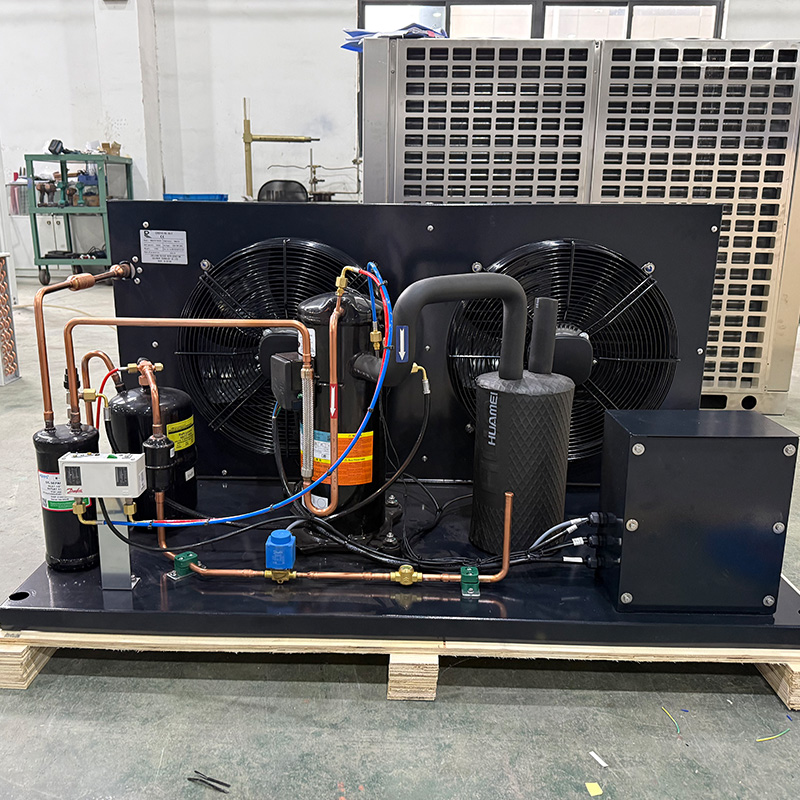
When sourcing cold room equipment, the choice of supplier plays a crucial role in ensuring quality and reliability. Here are key factors to consider when evaluating potential suppliers:
Experience and Expertise: Look for suppliers with a proven track record in manufacturing cold room equipment. Shanghai EMTH, for example, has over 20 years of industry experience and numerous patents, indicating a solid foundation in product innovation and quality.
Manufacturing Capabilities: Review the supplier's manufacturing processes and capabilities. A modern factory equipped with advanced technology can ensure that the products are made to high standards. Ask about quality control processes and any certifications that the products may have.
Customer Reviews and References: Seek testimonials or case studies from other businesses that have purchased cold room equipment from the supplier. This can provide insights into the supplier's reliability and the performance of their products.
After-Sales Support: Consider the level of customer support offered. Reliable suppliers should provide assistance with installation, maintenance, and any troubleshooting that may arise after purchase.
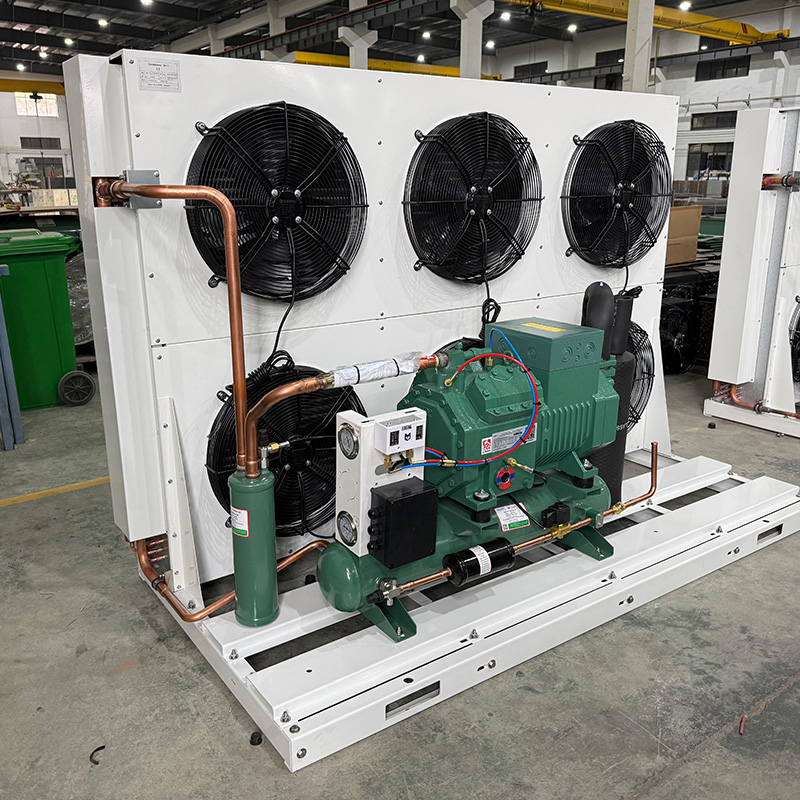
Proper installation of cold room equipment is critical for ensuring optimal performance and longevity. Here are essential steps to follow during the installation process:
Site Preparation: Before installation begins, ensure that the site is adequately prepared. This includes checking the flooring for levelness, ensuring proper drainage, and verifying electrical and plumbing requirements.
Professional Installation: While some businesses may consider self-installation, hiring experienced professionals is often more efficient. They can ensure that the equipment is installed correctly and in compliance with safety regulations.
Testing: After installation, conduct thorough testing of the system. This includes checking the temperature settings, ensuring proper airflow, and verifying that all components function as intended. It’s advisable to monitor the system for a few days to confirm stability before full operation commences.
Documentation: Keep detailed records of all installation processes and system specifications. This documentation can be valuable for future maintenance and potential troubleshooting.
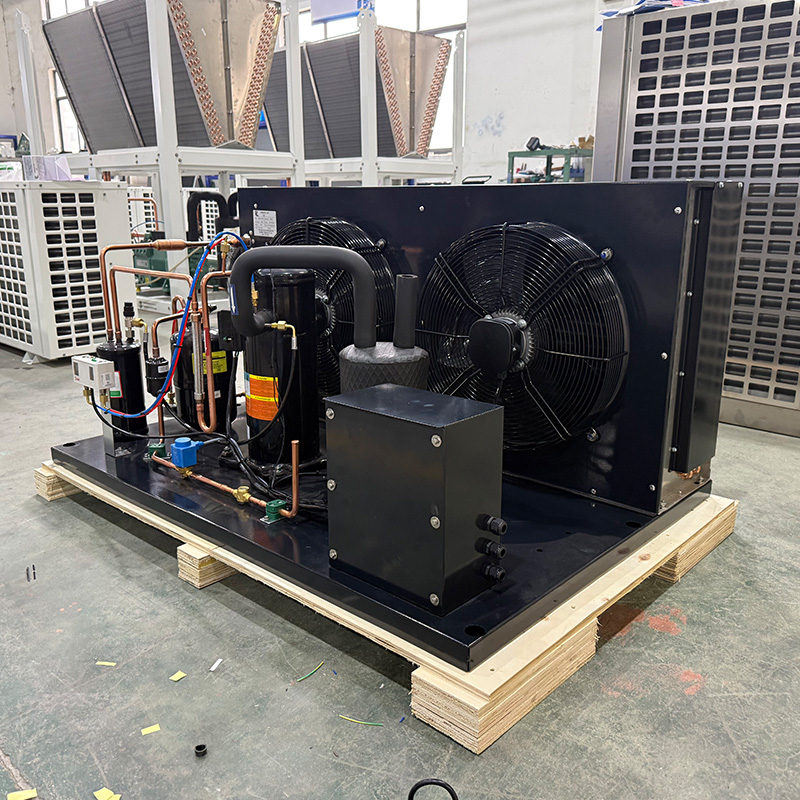
Despite their robust design, cold room equipment can experience issues that affect performance. Here are common problems and solutions:
Temperature Fluctuations: If the temperature within the cold room fluctuates, it could be due to poor insulation, malfunctioning thermostats, or inadequate refrigeration power. Regularly inspect insulation and ensure the equipment is sized correctly for the intended load.
Condensation and Moisture: Excessive moisture can lead to condensation, which may damage stored goods. Proper sealing and dehumidification systems can help manage humidity levels. Regular maintenance checks should include inspecting seals and drainage.
Mechanical Failures: Components such as compressors or evaporators may fail over time. Implementing a proactive maintenance schedule can help identify potential issues before they lead to equipment failure.
Noise Issues: Unusual noises can indicate mechanical problems. Regularly inspect moving parts and ensure that the equipment is installed on a stable surface to minimize vibrations.
Over 20 years of experience, we have the complete sales and after-sales systems with more than 20 patents and a professional R&D EMTH team.
EMTH EMTH has a solid track record in the field, with over 3,000+ happy customers.
A modern facility of more than 40,000 square meters is available to meet the majority of EMTH requirements.
Special docking is available for a complete system of service. It includes creation of plans, Axial fans, landing plans, and after-sales support.

Welcome to EMTH, a cold storage refrigeration equipment specialist in China! We offer innovative and effective cold storage solutions, including cold storage, evaporator, condensing unit and ice machine.
Room 304-305B, Building 5, BESHINE B.P, No. 559Zhuyuan Road, Minhang District 201112, Shanghai, China
Copyright © Shanghai EMTH Import & Export Co., Ltd. All Rights Reserved. - Privacy Policy
 EN
 AR
 BG
 HR
 CS
 DA
 NL
 FI
 FR
 DE
 EL
 IT
 JA
 KO
 NO
 PL
 PT
 RO
 RU
 ES
 TL
 IW
 ID
 LT
 SR
 VI
 HU
 TH
 MS
 AZ
 JW
 LO
 MN
 SO
 MY
 KK
 TG
 UZ
 GD
 XH