Cold room cooling systems are specialized refrigeration solutions designed to maintain low temperatures in storage spaces where temperature-sensitive products are stored, such as food, pharmaceuticals, and chemicals. For B2B buyers, understanding the intricacies of these systems is essential to ensure optimal performance and reliability. This article will address common buyer concerns, including how to choose the right system, what to look for in equipment, pricing factors, and how these systems can enhance operational efficiency.
Selecting the appropriate cold room cooling system begins with understanding the specific requirements of your application. Key considerations include:
Temperature Range: Identify the required temperature range for your products. For instance, food storage may require temperatures between -18°C to 4°C, while pharmaceuticals often need more precise conditions.
Size and Layout: Assess the dimensions of your cold room. The cooling system must be capable of managing the volume of air within the space effectively. Ensure that the system can accommodate the layout of your storage area, including shelving and product placement.
Cooling Capacity: This refers to the system's ability to remove heat from the cold room. It’s typically measured in BTUs (British Thermal Units). Consulting with a manufacturer can help determine the necessary capacity based on your specific use case.
Energy Efficiency: Look for systems that offer high energy efficiency ratings. Investing in energy-efficient units can significantly reduce operational costs over time. For example, consider options like the Refrigeration Accessories that can enhance efficiency.
Customization Options: Some manufacturers provide customizable solutions tailored to specific industry requirements. Consider whether adjustments to the system's design, such as enhanced insulation or specialized controls, are necessary for your application.
When evaluating cold room cooling equipment, several critical factors should be reviewed:
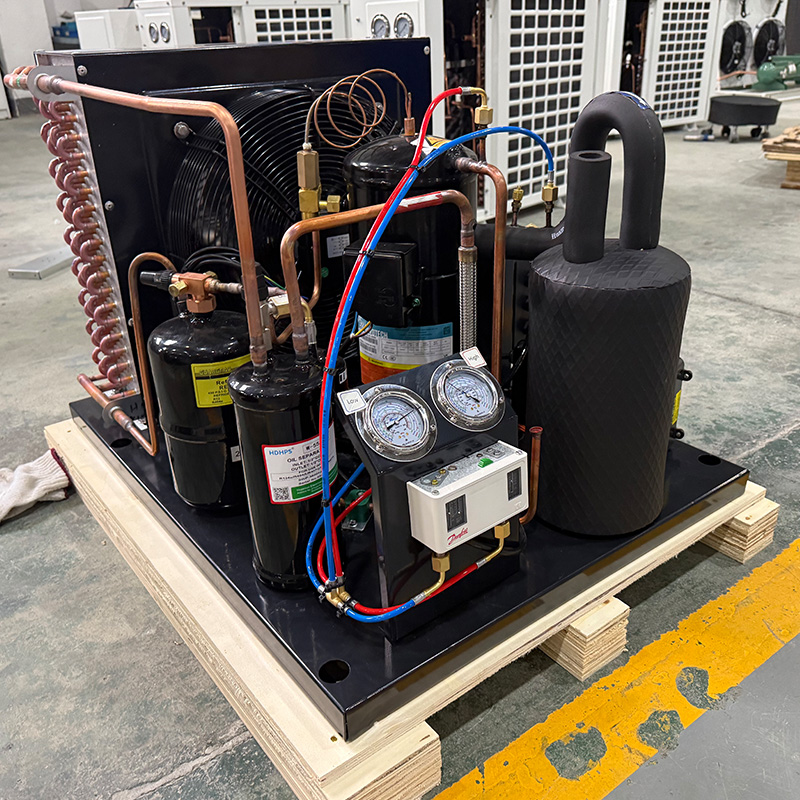
Quality of Components: Ensure that the unit uses reputable components, such as compressors, evaporators, and fans, which play a crucial role in overall performance and durability. For example, high-quality Compressors are vital for efficiency.
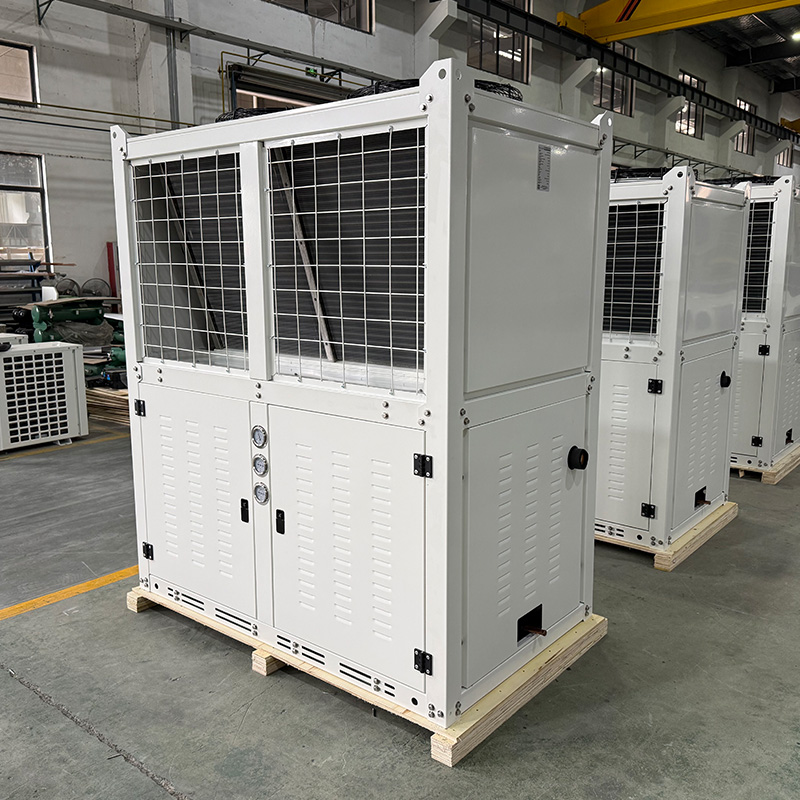
Material Specifications: The materials used in the construction of the cooling equipment should withstand the demands of cold environments. Stainless steel or galvanized steel is often preferred for their corrosion resistance.
Control Systems: Advanced control systems can offer precise temperature control and alerts for temperature fluctuations. Look for features like digital thermostats and remote monitoring capabilities.
Ease of Maintenance: Consider equipment that is easy to maintain and service. Systems with accessible components can reduce downtime and maintenance costs.
Certifications: Verify if the equipment meets industry standards and certifications, which can assure reliability and safety in operation.
For purchasing managers considering wholesale options for cold room cooling systems, the following tips can optimize the procurement process:
Request Detailed Quotes: When reaching out to suppliers, provide comprehensive details about your requirements, including size, temperature needs, and any customization. This will help suppliers offer accurate quotations.
Compare Suppliers: Evaluate multiple suppliers based on their experience, product range, and customer reviews. Consider the reliability of their supply chain and after-sales support.
Negotiate Pricing: Don’t hesitate to negotiate prices, especially for bulk orders. Establishing a long-term relationship with a supplier can also lead to better pricing and terms.
Assess Minimum Order Quantities (MOQ): Understand the vendor’s MOQ policies. Ensure that the quantities align with your storage needs and budget constraints.
Inquire About Lead Times: Confirm production and delivery timelines to ensure that the equipment arrives when needed, avoiding any potential disruptions in operations.
The costs associated with cold room cooling systems can vary based on several factors:
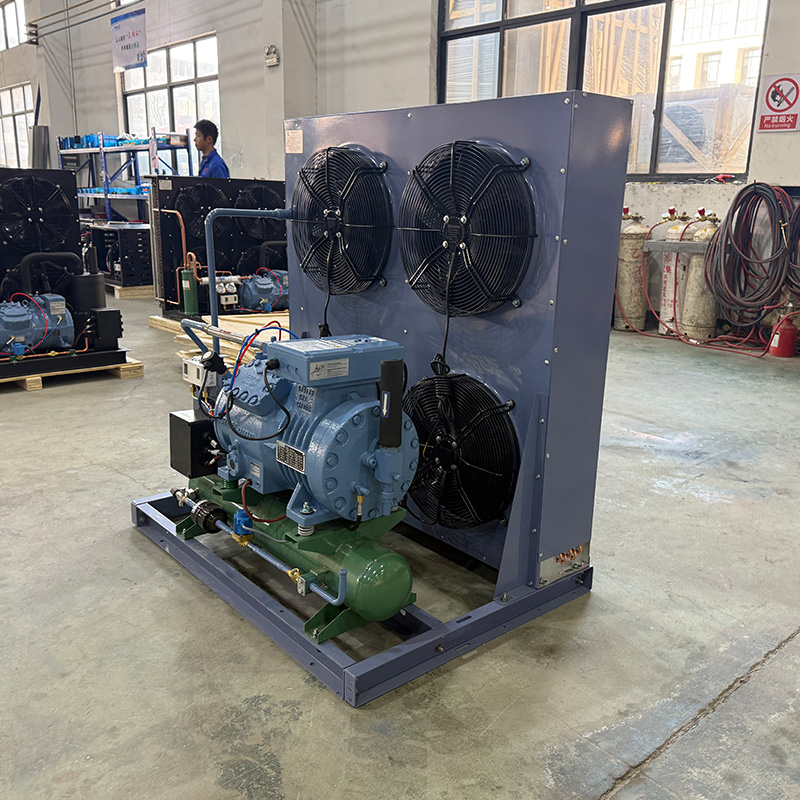
Type of System: Different systems (e.g., split systems, self-contained units) come with varying price points. Understanding the differences can help in making an informed choice.
Cooling Capacity: Higher-capacity units typically incur higher costs. Ensure that you are not over-specifying capacity, which can lead to unnecessary expenses.
Installation Costs: Factor in installation costs, which can vary based on complexity and the need for specialized labor. Proper installation is crucial for system efficiency and longevity.
Energy Costs: Energy consumption is a recurring expense. Opt for energy-efficient models that may have a higher upfront cost but offer savings over time.
Maintenance and Repair Costs: Consider the long-term costs associated with maintenance. Equipment with better build quality and warranties may save costs in the long run.
More than 20 years of' experience and an experienced EMTH R&D staff.
A modern plant of over 4000 square meters is in operation to meet the majority Ice maker for commercial production requirements.
EMTH EMTH has a track record in the field with over 3,000+ happy customers.
Complete service program, from formulating of plans to the production and Cooling room, to after-sales service, there are specific docking.

Welcome to EMTH, a cold storage refrigeration equipment specialist in China! We offer innovative and effective cold storage solutions, including cold storage, evaporator, condensing unit and ice machine.
Room 304-305B, Building 5, BESHINE B.P, No. 559Zhuyuan Road, Minhang District 201112, Shanghai, China
Copyright © Shanghai EMTH Import & Export Co., Ltd. All Rights Reserved. - Privacy Policy
 EN
 AR
 BG
 HR
 CS
 DA
 NL
 FI
 FR
 DE
 EL
 IT
 JA
 KO
 NO
 PL
 PT
 RO
 RU
 ES
 TL
 IW
 ID
 LT
 SR
 VI
 HU
 TH
 MS
 AZ
 JW
 LO
 MN
 SO
 MY
 KK
 TG
 UZ
 GD
 XH