Cold room cold storage solutions are essential for businesses that require temperature-controlled environments to preserve perishable goods, pharmaceuticals, and other sensitive products. As a key consideration for purchasing managers and engineers, selecting the right cold room equipment can significantly impact operational efficiency, product integrity, and cost-effectiveness. This article will guide you through the crucial factors to consider when choosing cold room cold storage solutions, including specifications, cost savings, and material advantages, helping you make informed decisions for your business needs.
When selecting cold room cold storage solutions, several factors must be taken into account to ensure the equipment meets your specific needs. First, assess the temperature range required for your application. Different products have varying optimal storage conditions, and the cold room must be capable of maintaining those temperatures consistently.
Next, consider the size and layout of your cold room. The dimensions should be suitable for the volume of goods you plan to store, while also allowing for efficient workflow and access. It's advisable to consult with a supplier to determine the best configuration for your space.
Additionally, evaluate the energy efficiency of the cold storage units. Energy-efficient systems not only reduce operational costs but also minimize your carbon footprint. Look for options that feature advanced insulation materials, energy-saving compressors, and smart controls.
Finally, consider the manufacturer’s experience and reputation in the industry. Suppliers with a proven track record, like Shanghai EMTH, which has over 20 years of experience in manufacturing refrigeration equipment, can provide valuable insights and support throughout the purchasing process.
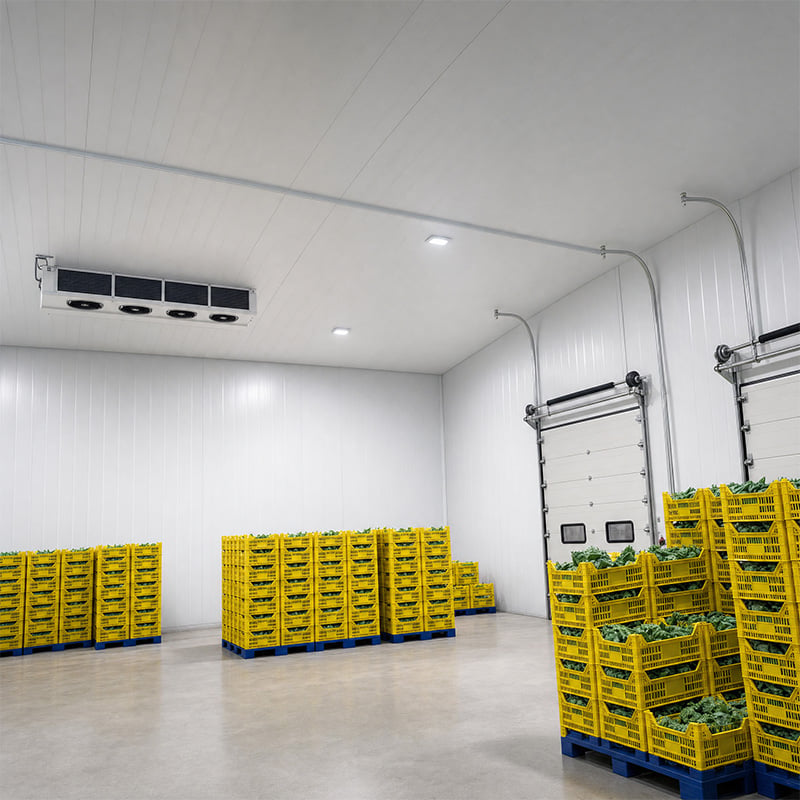
Key specifications play a vital role in the performance of cold room cold storage units. Here are some essential parameters to consider:
Insulation Thickness: Adequate insulation is necessary to minimize heat transfer. The recommended thickness typically varies based on the climate and temperature requirements. Thicker insulation can lead to higher initial costs but may reduce long-term energy expenses.
Cooling Capacity: This is measured in BTUs (British Thermal Units) and should align with the volume of goods stored. It’s crucial to calculate the cooling load accurately to ensure the unit can maintain the desired temperature effectively.
Compressor Type: Different compressors offer varying levels of efficiency and noise. Scroll and screw compressors are known for their reliability and energy efficiency, making them suitable for larger applications. In this context, understanding the role of an Evaporator can also be crucial for maintaining optimal temperatures.
Control Systems: Advanced control systems allow for precise temperature regulation and monitoring. Features such as remote access and alarms can enhance operational efficiency and safety.
Construction Materials: The choice of materials, such as stainless steel or high-density polyethylene, can affect durability and ease of cleaning, which is particularly important in food storage applications.
Understanding these specifications will help you evaluate different cold storage options effectively and ensure they meet your operational requirements.
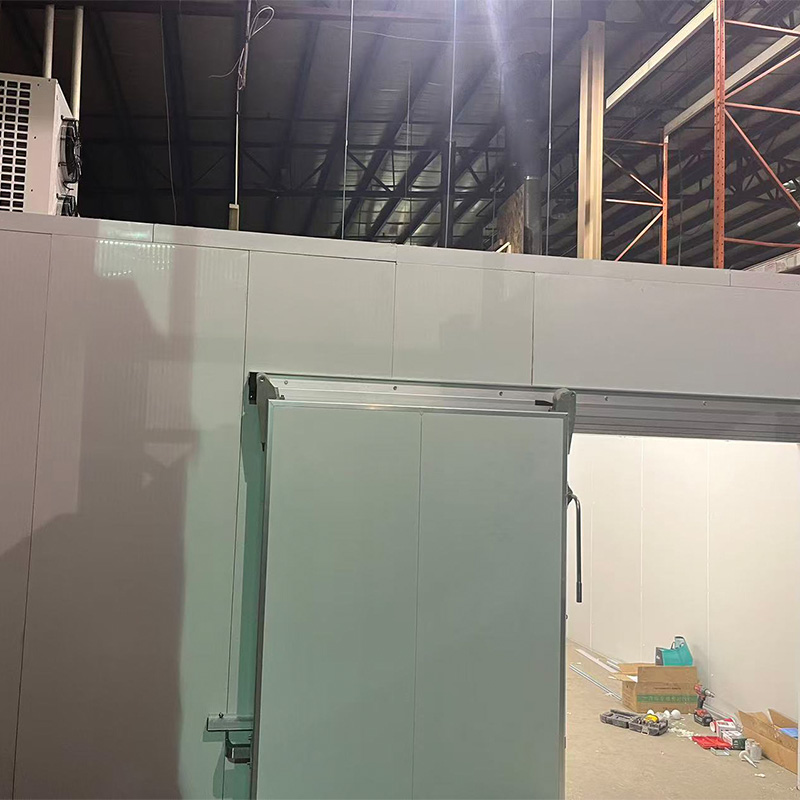
Investing in cold room cold storage solutions can lead to significant cost savings over time, particularly when considering energy efficiency and maintenance. While the initial investment may seem substantial, energy-efficient models can reduce electricity consumption by as much as 30-50%, translating to lower utility bills.
Furthermore, high-quality insulation materials can decrease the workload on cooling systems, extending their lifespan and reducing maintenance costs. Regular maintenance, including cleaning condenser coils and checking refrigerant levels, can also prevent costly breakdowns and ensure optimal performance.
When preparing for a quotation, consider requesting information on the total cost of ownership, including installation, maintenance, and energy usage estimates. This holistic view can help you identify the most cost-effective solutions for your needs.
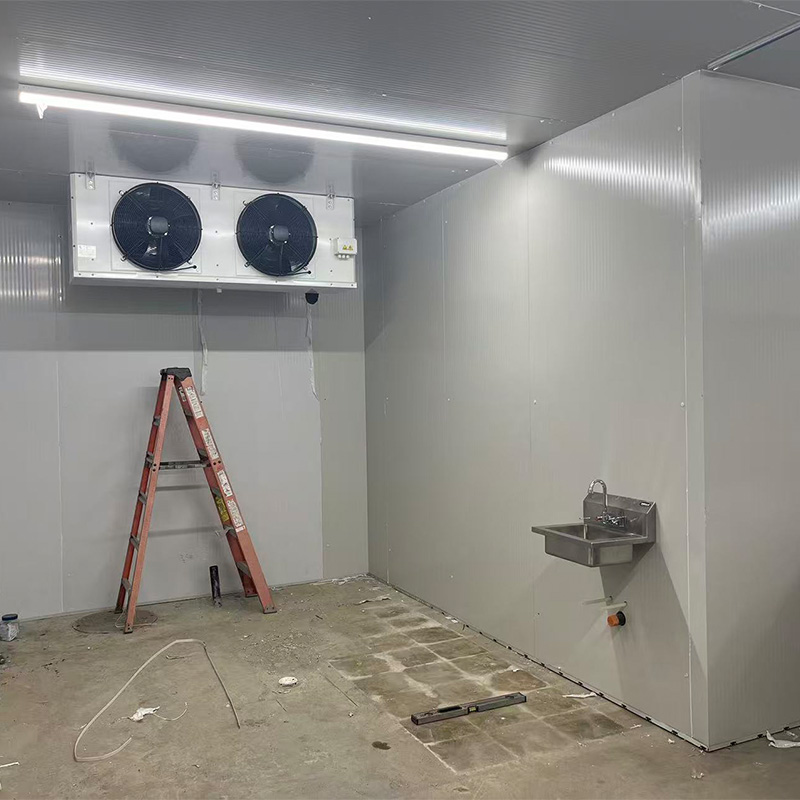
When comparing cold room cold storage options, it’s essential to align your selection with your project’s specific requirements. Start by categorizing your needs based on application—whether for food storage, pharmaceuticals, or industrial goods. Each application may have unique temperature, humidity, and access requirements.
Next, assess the available types of cold storage units, such as walk-in coolers, freezers, or modular cold rooms. Each type serves different applications and space constraints. Walk-in coolers provide easy access for staff and equipment, while modular units offer flexibility in design and configuration.
Additionally, consider the scalability of the chosen solution. If your business plans to expand, ensure the cold storage can be modified or expanded without significant additional costs. This foresight can save time and resources in the long term.
Finally, request product demonstrations or samples to ensure the selected units meet your expectations in real-world conditions.
More than 20 years of' experience and an experienced R&D EMTH team.
Special docking is offered for a complete service. This includes the design of Commercial ice maker, production installation, landing projects, and after-sales support.
With a strong name in the industry, and over 3,000+ clients served, EMTH EMTH is a trustworthy and reliable supplier who has been recognized by other customers.
The modern factory has an area greater than 40,000 square meters, to satisfy the majority of the EMTH production requirements.

Welcome to EMTH, a cold storage refrigeration equipment specialist in China! We offer innovative and effective cold storage solutions, including cold storage, evaporator, condensing unit and ice machine.
Room 304-305B, Building 5, BESHINE B.P, No. 559Zhuyuan Road, Minhang District 201112, Shanghai, China
Copyright © Shanghai EMTH Import & Export Co., Ltd. All Rights Reserved. - Privacy Policy
 EN
 AR
 BG
 HR
 CS
 DA
 NL
 FI
 FR
 DE
 EL
 IT
 JA
 KO
 NO
 PL
 PT
 RO
 RU
 ES
 TL
 IW
 ID
 LT
 SR
 VI
 HU
 TH
 MS
 AZ
 JW
 LO
 MN
 SO
 MY
 KK
 TG
 UZ
 GD
 XH