Cold evaporators are essential components in refrigeration systems, playing a critical role in cooling processes across various industrial applications. For B2B buyers, understanding how to select the right cold evaporator involves considering factors such as efficiency, compatibility, and specific project requirements. This article aims to clarify these aspects, helping purchasing managers, engineers, and distributors make informed decisions when sourcing cold evaporators from manufacturers like Shanghai EMTH, which boasts over 20 years of experience in producing high-quality refrigeration equipment.
When selecting a cold evaporator, several key factors must be considered to ensure optimal performance for your specific application.
Cooling Capacity: Determine the cooling capacity required for your application, typically measured in BTUs (British Thermal Units) per hour. This specification directly impacts efficiency and effectiveness in maintaining desired temperatures.
Material: The construction material of the evaporator affects durability and performance. Common materials include aluminum and stainless steel, with each offering different advantages in terms of corrosion resistance and weight. For instance, aluminum is lighter and often more cost-effective, while stainless steel provides enhanced durability in harsh environments.
Size and Dimensions: Ensure that the physical dimensions of the cold evaporator fit within the designated space in your facility. A unit that is too large may hinder airflow, while a smaller unit may not provide sufficient cooling.
Application Compatibility: Consider the specific requirements of your cooling application, such as temperature ranges and humidity levels. Different cold evaporators may be designed for distinct environments, such as food storage or industrial cooling, including models like Evaporator that cater to various needs.
Energy Efficiency: Look for models with high energy efficiency ratings, as these can significantly reduce operational costs over time. Efficient models often utilize advanced technology and design to optimize cooling performance while minimizing energy consumption.
By analyzing these factors, buyers can select a cold evaporator that aligns with their operational needs, ensuring long-term satisfaction and efficiency.
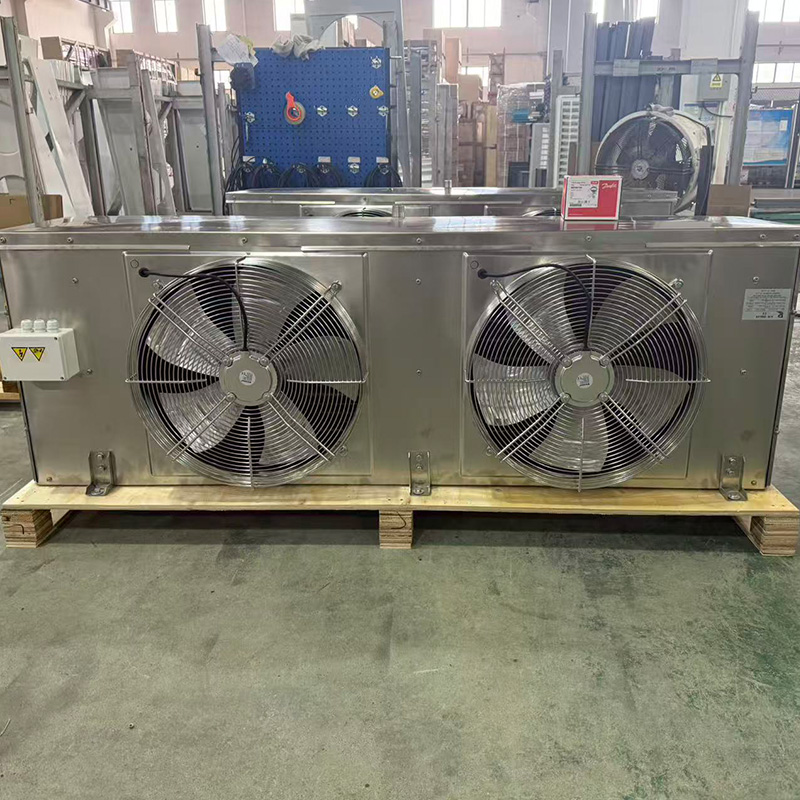
When it comes to wholesale purchasing decisions, comparing cold evaporators involves evaluating several critical aspects:
Specifications Comparison: Create a comparison chart that outlines the specifications of various models, including cooling capacity, dimensions, and materials. This visual aid can simplify the decision-making process.
Pricing: Request quotes from multiple suppliers to compare pricing structures. Be sure to consider not just the unit price but also factors such as bulk discounts, shipping costs, and potential warranties.
Quality Control Processes: Investigate the manufacturer's quality control protocols. A reputable manufacturer like Shanghai EMTH typically employs rigorous testing and inspection processes to ensure that each unit meets industry standards, similar to the processes followed for Refrigeration Accessories.
Customization Options: Some projects may require tailored solutions. Inquire about customization capabilities, such as size adjustments or material variations, to meet specific project needs.
Supplier Reputation: Evaluate the reputation of potential suppliers by reviewing customer testimonials and industry feedback. A manufacturer with a proven track record in the market will likely provide a more reliable product.
By focusing on these elements, buyers can make informed comparisons that lead to better procurement decisions.
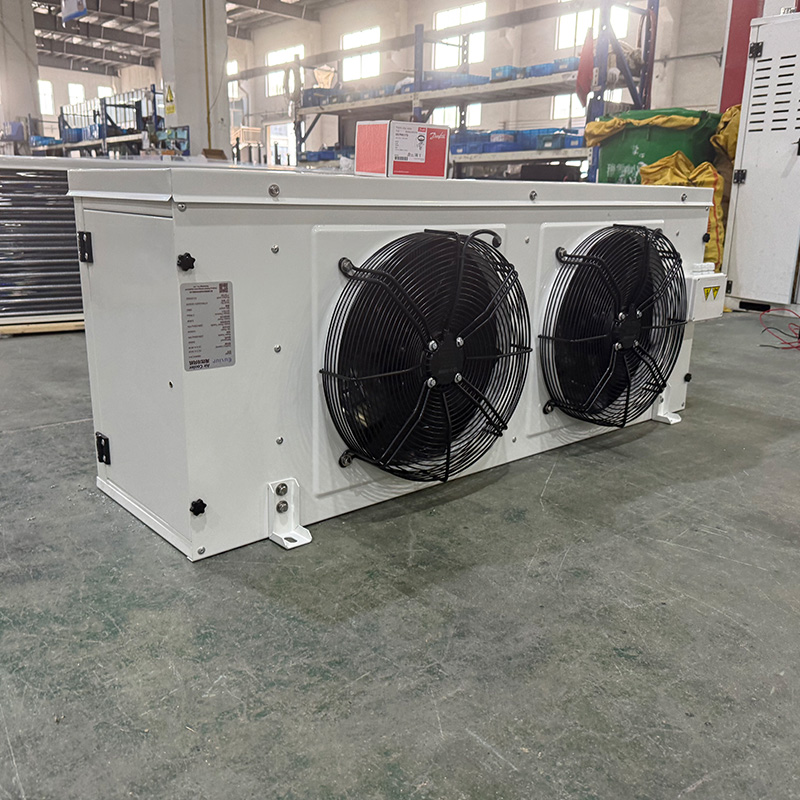
Proper installation is crucial for the effective operation of cold evaporators. Here are some key considerations:
Site Preparation: Ensure that the installation site is prepared according to the manufacturer’s specifications. This includes adequate space for airflow, access for maintenance, and proper connections to electrical and plumbing systems.
Electrical Requirements: Verify the electrical specifications required for the cold evaporator, including voltage and amperage. Inadequate electrical supply can lead to operational inefficiencies or equipment damage.
Plumbing Connections: For units that require refrigerant lines, ensure that proper plumbing connections are established. This often involves skilled labor to guarantee leak-free installations.
Testing and Commissioning: After installation, conduct thorough testing to verify that the unit operates as intended. This may involve checking for leaks, proper airflow, and temperature control.
Compliance with Regulations: Installation should comply with local building codes and regulations, especially regarding safety standards for refrigeration equipment.
By adhering to these installation requirements, businesses can avoid operational issues and ensure the longevity of their cold evaporators.
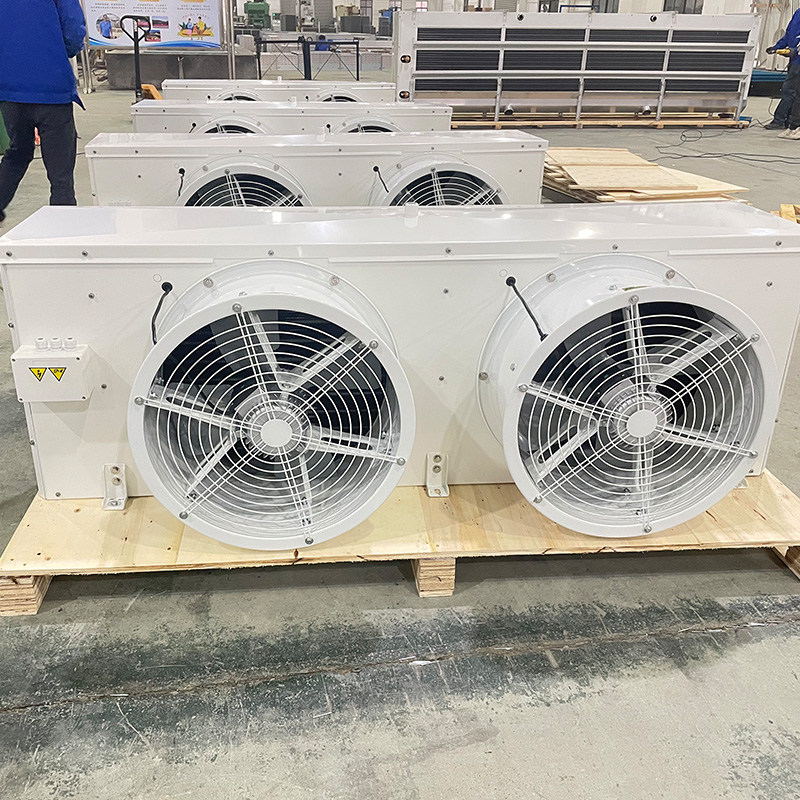
Despite their reliability, cold evaporators can encounter several common issues. Here are some typical problems and their solutions:
Inefficient Cooling: If a cold evaporator fails to achieve the desired cooling level, check for airflow obstructions, such as dust buildup or blocked vents. Additionally, ensure that the refrigerant levels are adequate.
Frost Buildup: Frost accumulation on the evaporator coils can reduce efficiency. This often occurs due to low refrigerant levels or inadequate airflow. Regular maintenance, such as cleaning the coils and checking refrigerant levels, is essential to prevent this issue.
Unusual Noises: Uncommon sounds during operation may indicate mechanical issues. Inspect the unit for loose components or wear on the fan motor. Addressing these concerns promptly can prevent more severe damage.
Leaking Refrigerant: If there are signs of refrigerant leaks, immediate action is required to address the issue. This typically involves consulting a technician to locate and repair the leak, followed by recharging the system with refrigerant.
Electrical Failures: Power issues can lead to operational failures. Ensure that electrical connections are secure and that the electrical supply meets the operational requirements.
Being proactive about maintenance and addressing these common issues can enhance the longevity and performance of cold evaporators.
Complete service system, from the creation of plans, Ice maker for commercial production and project landing, to after-sales services, there's special docking.
More than 20 years of' experience and an experienced EMTH R&D staff.
A modern factory of over 40000 square meters is in place to meet the majority of the EMTH production needs.
EMTH has a long-standing track record of success in the industry with more than 3,000 satisfied customers.

Welcome to EMTH, a cold storage refrigeration equipment specialist in China! We offer innovative and effective cold storage solutions, including cold storage, evaporator, condensing unit and ice machine.
Room 304-305B, Building 5, BESHINE B.P, No. 559Zhuyuan Road, Minhang District 201112, Shanghai, China
Copyright © Shanghai EMTH Import & Export Co., Ltd. All Rights Reserved. - Privacy Policy
 EN
 AR
 BG
 HR
 CS
 DA
 NL
 FI
 FR
 DE
 EL
 IT
 JA
 KO
 NO
 PL
 PT
 RO
 RU
 ES
 TL
 IW
 ID
 LT
 SR
 VI
 HU
 TH
 MS
 AZ
 JW
 LO
 MN
 SO
 MY
 KK
 TG
 UZ
 GD
 XH