Air cooler condensers play a crucial role in refrigeration systems, ensuring optimal cooling performance across various applications. As a B2B buyer, understanding the specifications, quality factors, and material advantages of air cooler condensers is essential for making informed purchasing decisions. This article will guide you through the key specifications to evaluate, how to compare quality for bulk orders, cost factors, material advantages, and where to find reliable suppliers.
When selecting air cooler condensers, focus on several key specifications that directly impact performance and compatibility with your cooling systems.
Cooling Capacity: Measured in BTUs (British Thermal Units), this indicates the amount of heat the condenser can remove in an hour. Ensure the capacity aligns with the requirements of your specific application.
Dimensions: The size of the condenser must fit within your existing infrastructure. Take precise measurements of the installation space to avoid compatibility issues.
Material Composition: Common materials include aluminum and copper. Aluminum is lightweight and resistant to corrosion, while copper offers excellent thermal conductivity. The choice will depend on environmental factors, such as humidity and exposure to corrosive elements. For instance, our compressors use high-quality materials that enhance performance in various environments.
Operating Pressure: Understanding the maximum and minimum operating pressures is critical. Exceeding these limits can lead to system failure or inefficiency.
Efficiency Ratings: Look for energy efficiency ratings, such as SEER (Seasonal Energy Efficiency Ratio) or EER (Energy Efficiency Ratio). Higher ratings indicate lower energy consumption, which translates to cost savings over time.
Noise Level: For installations in noise-sensitive areas, consider the decibel (dB) rating of the condenser. Quiet operation can enhance user comfort, particularly in commercial settings.
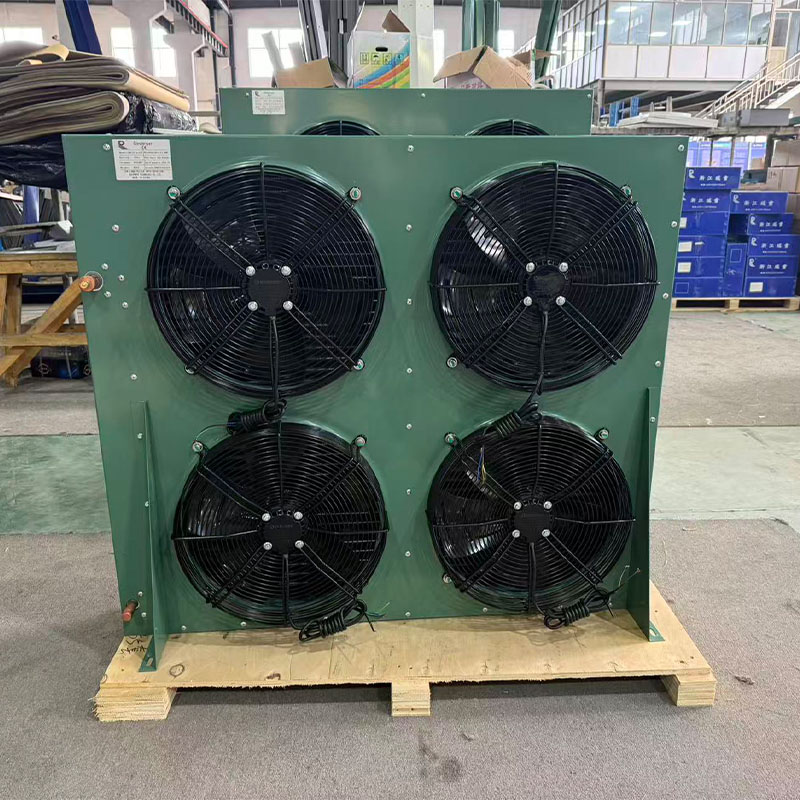
When ordering air cooler condensers in bulk, quality remains a top priority. Here are several strategies to ensure you select high-quality products:
Request Product Samples: Before placing a bulk order, always request samples. Testing these samples under actual operating conditions helps verify their performance and compatibility with your system.
Review Quality Certifications: Some manufacturers may have quality certifications (like ISO 9001) that demonstrate adherence to international quality standards. Verify these certifications and understand their implications for your order.
Examine Manufacturing Processes: A manufacturer with robust quality control processes will likely produce more reliable products. Inquire about their production methods and any quality inspection protocols in place.
Check for Warranty and Support: Reliable suppliers typically offer warranties on their products. Understand the terms of these warranties, as they can provide insight into the manufacturer’s confidence in their products.
Gather User Reviews and References: Look for reviews from other businesses that have purchased air cooler condensers from the supplier. Testimonials can provide valuable insights into product performance and reliability.
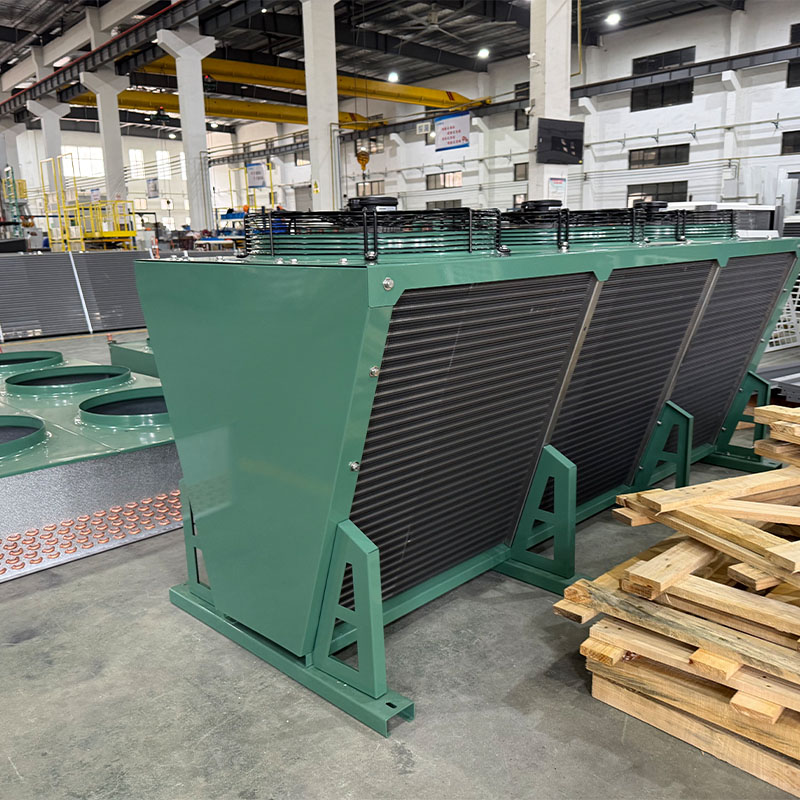
Several factors contribute to the cost of air cooler condensers, and understanding these can help you budget effectively:
Material Costs: The choice of materials significantly impacts price. For instance, copper condensers may be more expensive than aluminum but offer better thermal conductivity and longevity, which is why our refrigeration accessories focus on quality materials.
Production Volume: Typically, larger orders result in lower per-unit costs due to economies of scale. However, check with suppliers about minimum order quantities (MOQs) that apply to your purchase.
Customization Options: Customizing features such as dimensions, materials, or additional components can increase costs. Determine which customizations are necessary for your application to avoid unnecessary expenses.
Shipping and Handling: Consider shipping costs and delivery timelines, especially for international orders. Unexpected shipping fees can affect your overall budget.
Market Fluctuations: Keep an eye on market trends, as fluctuations in raw material prices can impact the overall cost of production. Staying informed can help you make purchasing decisions at favorable times.
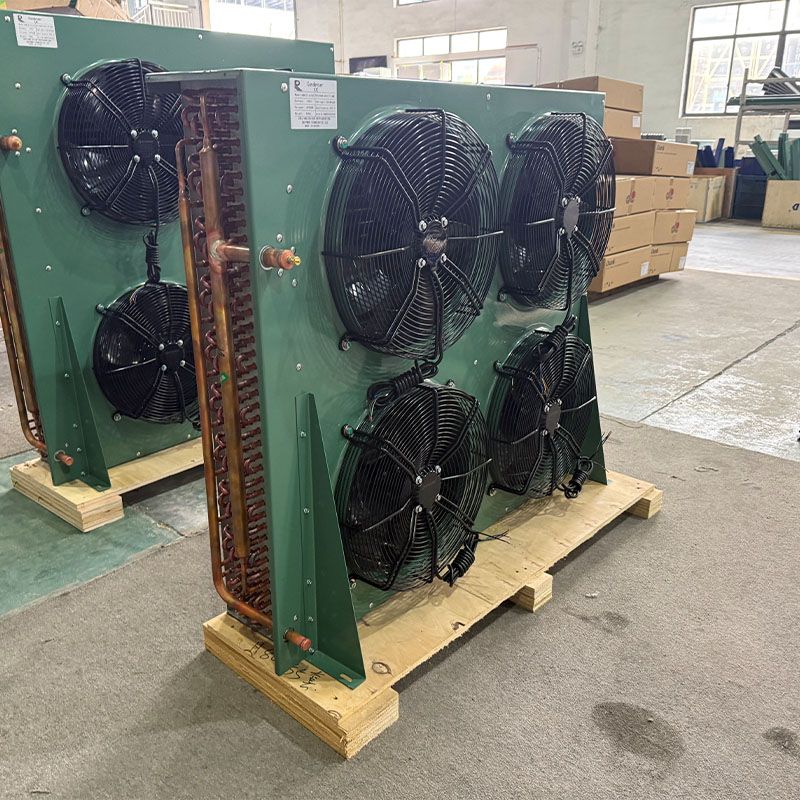
Our air cooler condensers, manufactured with high-quality materials, offer distinct advantages that enhance their performance and durability:
Corrosion Resistance: Using aluminum in our condensers provides excellent resistance to corrosion, ensuring longevity in humid or harsh environments. This is particularly beneficial for applications in food processing or chemical plants.
Thermal Efficiency: Copper components enhance thermal conductivity, allowing for efficient heat exchange. This results in quicker cooling times and lower energy consumption, which is essential in high-demand environments.
Lightweight Design: The materials used in our condensers are lightweight, aiding in easier installation and less structural strain on supporting frameworks.
Custom Coatings: We offer protective coatings that enhance resistance to environmental factors, ensuring the condensers maintain performance and appearance over time.
Sustainability: Our manufacturing processes prioritize sustainability, ensuring that our materials are sourced responsibly and our products can be recycled at the end of their lifecycle.
With more than 20 years of knowledge, we've developed a a complete production and sales and after-sales process with more than 20 patent certificates and a skilled R&D EMTH team.
Complete service system, from the creation of plans, Ice maker for commercial production and project landing, to after-sales services, there's special docking.
A modern factory of over 40000 square meters is in place to meet the majority of the EMTH production needs.
EMTH EMTH has a track record in the field with over 3,000+ happy customers.

Welcome to EMTH, a cold storage refrigeration equipment specialist in China! We offer innovative and effective cold storage solutions, including cold storage, evaporator, condensing unit and ice machine.
Room 304-305B, Building 5, BESHINE B.P, No. 559Zhuyuan Road, Minhang District 201112, Shanghai, China
Copyright © Shanghai EMTH Import & Export Co., Ltd. All Rights Reserved. - Privacy Policy
 EN
 AR
 BG
 HR
 CS
 DA
 NL
 FI
 FR
 DE
 EL
 IT
 JA
 KO
 NO
 PL
 PT
 RO
 RU
 ES
 TL
 IW
 ID
 LT
 SR
 VI
 HU
 TH
 MS
 AZ
 JW
 LO
 MN
 SO
 MY
 KK
 TG
 UZ
 GD
 XH